
What Is The Diameter Of An Elastic Filament
Ever wondered about the secret lives of rubber bands? Or maybe you've pondered the mysteries lurking within your favorite pair of stretchy leggings? Well, get ready to dive into the fascinating world of elastic filaments and their surprisingly tricky diameters! We're talking about the tiny, springy threads that give things their stretch and bounce.
What's an Elastic Filament Anyway?
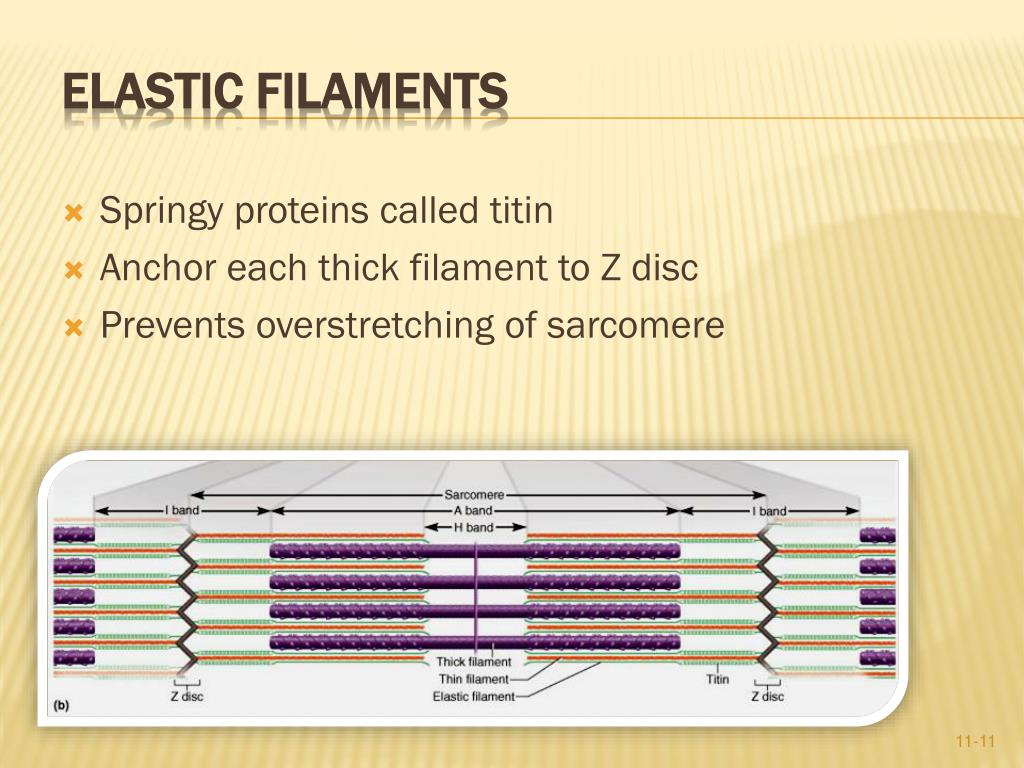
Okay, first things first: What is an elastic filament? Imagine a microscopic slinky. That's kind of what we're dealing with. They're long, thin strands made of stuff that likes to boing back into shape after you've given it a good tug. Think of the stuff in your underwear elastic (don't worry, we won't get too personal!). These filaments are interwoven to create stretchy fabrics and materials. They're the unsung heroes of comfy clothes, bouncy balls, and everything in between!
So, How Thick Are We Talking?
Now for the big question: the diameter! How wide are these super-stretchy strands? Well, here's where things get interesting. We're not talking about something you can easily measure with your average ruler. In fact, you'd need some seriously powerful equipment to get a good look. We're venturing into the realm of micrometers, which are one-millionth of a meter. Yeah, tiny!
Must Read
To give you a sense of scale, imagine a human hair. On average, a human hair is about 75 micrometers in diameter. Now, think about the elastic filament... it's much smaller than that. We're generally talking about diameters that can range from fractions of a micrometer to several micrometers. It depends on the specific type of elastic filament and what it's made of. It's like comparing a strand of spaghetti to a single, microscopic grain of salt – the salt is the elastic filament!
Why Does the Diameter Matter?
You might be thinking, "Okay, they're tiny. So what?" But the diameter of these filaments is actually super important! It affects the material's overall stretchiness, strength, and how it feels. Think about it: a thicker filament might be stronger and more resistant to breaking, but it might also make the material feel stiffer. A thinner filament might be super stretchy and soft, but potentially less durable.
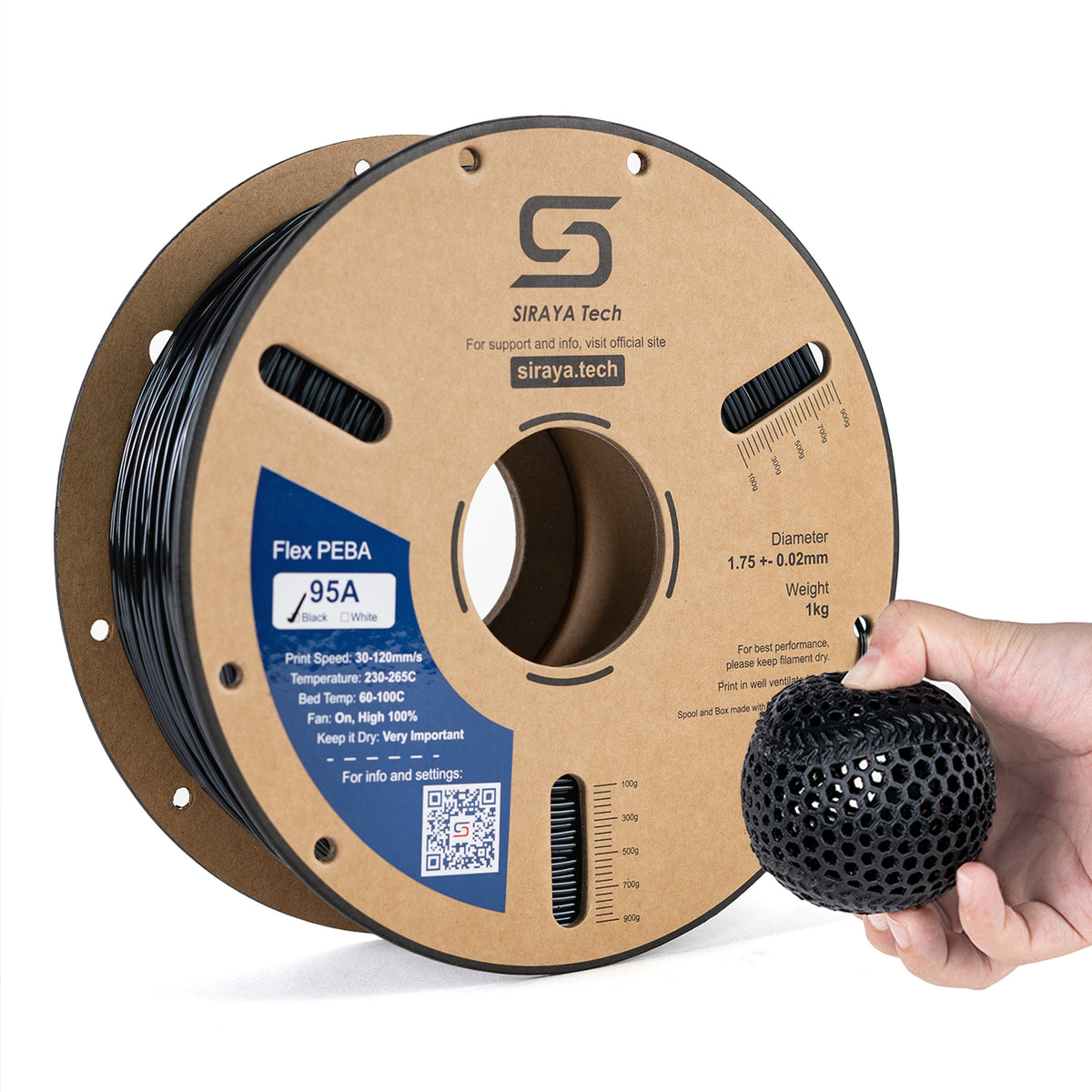
Manufacturers carefully tweak the diameter of elastic filaments to get the perfect balance for different applications. That's why your yoga pants feel so different from the elastic in a heavy-duty cargo net. It's all about finding the sweet spot!
Measuring the Unmeasurable (Almost!)
How do scientists and engineers even measure something so small? Well, they use fancy tools like electron microscopes and laser diffraction. These techniques allow them to peer into the microscopic world and get accurate measurements of the filament's diameter. They can even analyze how the filament behaves under different stresses and strains. It's like giving the filament a tiny, microscopic workout and seeing how it performs!
Imagine trying to measure the diameter of a single spider web strand while it's blowing in the wind. That's kind of the challenge we're talking about, but with even smaller things and much fancier equipment!
So, next time you're pulling on your favorite pair of jeans or bouncing a super ball, take a moment to appreciate the amazing world of elastic filaments and their minuscule diameters. They're the tiny heroes working hard to keep things stretchy, comfy, and bouncing back for more! And remember, while you might not be able to see them, their impact is definitely big!
"The key to understanding elasticity lies in the microscopic world." - Dr. Stretch Armstrong, Famous Elasticity Scientist (probably)
And that, my friends, is the surprisingly fascinating world of elastic filament diameters. Go forth and stretch responsibly!

