
What Is The Definition Of Steel

Ever wondered what makes so much of our world possible? We’re talking about everything from towering skyscrapers to the humble spoon you use every day. The unsung hero, the superstar material behind it all, is often steel.
But what exactly is steel? It sounds simple, right? It’s a metal! Yet, it’s far more fascinating and nuanced than just any old hunk of metal. Let’s unravel the mystery of this incredibly versatile material.
The Dynamic Duo: Iron and Carbon
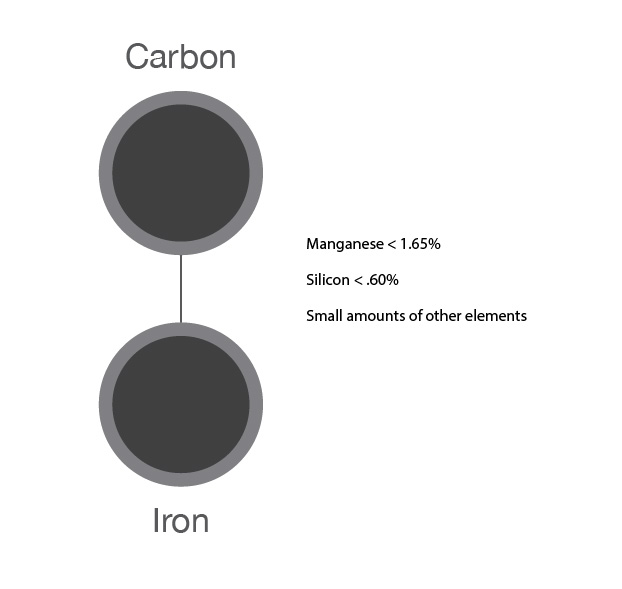
At its heart, steel is a special kind of metal alloy. Think of an alloy as a team-up of different metals, or a metal with other elements. For steel, the main player is always iron.
Must Read
Iron is strong on its own, but it has a secret weapon that transforms it into the amazing material we know as steel. This secret ingredient is carbon.
Imagine iron as a powerful but somewhat soft giant. Adding just a tiny bit of carbon, often less than 2% by weight, is like giving that giant an incredible armor and superpowers. This small addition makes a huge difference!
The carbon atoms nestle themselves within the iron structure. This tight embrace changes how the iron behaves. It becomes much, much stronger and harder.
Without carbon, iron is just... iron. It's useful, but it bends and breaks more easily. The magic of steel truly begins with this precise blend of iron and carbon.

"Steel is not just a metal; it's a masterpiece of materials science, largely thanks to carbon."
Beyond the Basics: A World of Steel "Friends"
While iron and carbon are the essential pair, steel often invites other elements to the party. These additional "friends" are called alloying elements, and they allow us to customize steel for countless different jobs.
For example, if you want steel that resists rust, you add chromium. Voila! You get stainless steel, perfect for kitchen sinks and medical tools. It’s like giving steel a waterproof jacket.
Other elements like nickel, manganese, or molybdenum can make steel even tougher, more resistant to heat, or more flexible. Each additive brings a new superpower to the material.
This ability to mix and match is what makes steel incredibly adaptable. It's not just one thing; it's a whole family of materials, each tailored for a specific purpose.
Think of it like a chef adjusting a recipe. A pinch of this, a dash of that, and suddenly you have a completely different, specialized dish. Steel works in much the same way.

Why Steel Is Such a Superstar
So, why is this iron-carbon concoction, with its occasional extra friends, so incredibly special and widely used? It boils down to a few key characteristics that make it truly shine.
Firstly, there's its incredible strength. Steel is astonishingly strong for its weight. It can bear immense loads without breaking, which is why it forms the skeletal structure of virtually every modern building and bridge.
It's also remarkably durable. Steel can withstand extreme temperatures, impacts, and the test of time. A steel bridge built decades ago can still be serving us today, a testament to its long-lasting nature.
Then there's its fantastic versatility. Steel can be made thin as a razor blade or thick as a battleship hull. It can be bent, stretched, molded, or cut into almost any shape imaginable. This malleability is key to its widespread use.

Steel is also an environmental champion! It's one of the most recycled materials on the planet. When a steel product reaches the end of its life, it can be melted down and repurposed again and again, almost infinitely, without losing its quality.
This recyclability means we can keep using existing resources rather than constantly digging up new ones. It’s a truly circular material, making it a sustainable choice for the future.
Steel Shapes Our World
Take a moment to look around you. Chances are, you’ll spot something made of steel. It’s everywhere, quietly supporting, protecting, and enabling our daily lives.
That towering office building downtown? Its skeleton is steel. The car you drive? Full of steel components, keeping you safe. Even the tiny springs inside your pen or the fridge that keeps your food fresh owe a debt to steel.
From massive infrastructure projects like dams and railways to intricate surgical instruments, steel is the material of choice. Its reliability and adaptability make it indispensable.
Think about the sheer innovation it has allowed. Without steel, our cities would look completely different. Our transportation systems would be vastly less efficient. Even our kitchens would be less hygienic without stainless steel.
It's not just about building big things. Steel is also crucial for tools, appliances, and countless small items that make life easier and more convenient.
The Future is Still Steel
Even with all its history, steel isn't sitting still. Scientists and engineers are constantly finding new ways to make it even stronger, lighter, more corrosion-resistant, and even smarter.
Innovations in steel production are also making it greener, reducing its environmental footprint even further. The journey of this amazing alloy is far from over.
So, the next time you see a bridge arching gracefully over a river or admire a sleek, modern appliance, remember the humble definition of steel: iron and carbon, working together to build a stronger, more incredible world. It's a true testament to how powerful a simple combination can be!