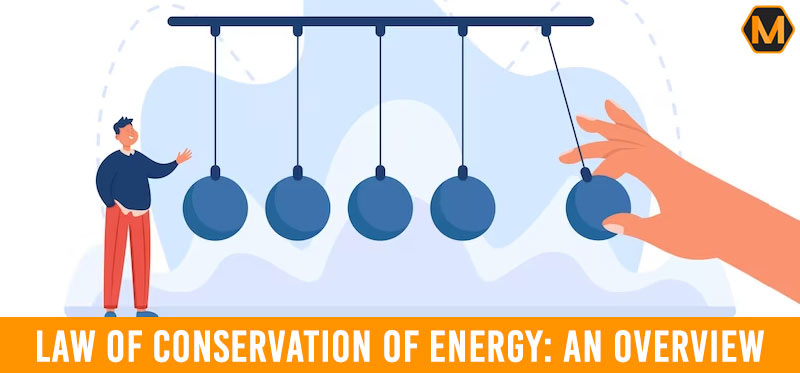
What Is The Definition Of Conservation Of Energy
Okay, let's talk energy. Specifically, the conservation of energy. Sounds impressive, right? Like something a super-smart scientist in a lab coat yells while narrowly avoiding a lab explosion. But honestly, it's not THAT complicated.
Essentially, it means energy can't just vanish. It can't magically appear either. Think of it like your socks. You always start with socks. They might end up under the bed, inside a shoe, or mysteriously disappear into the dryer monster’s lair, but the total number of socks you started with exists somewhere. Just maybe not where you expect.
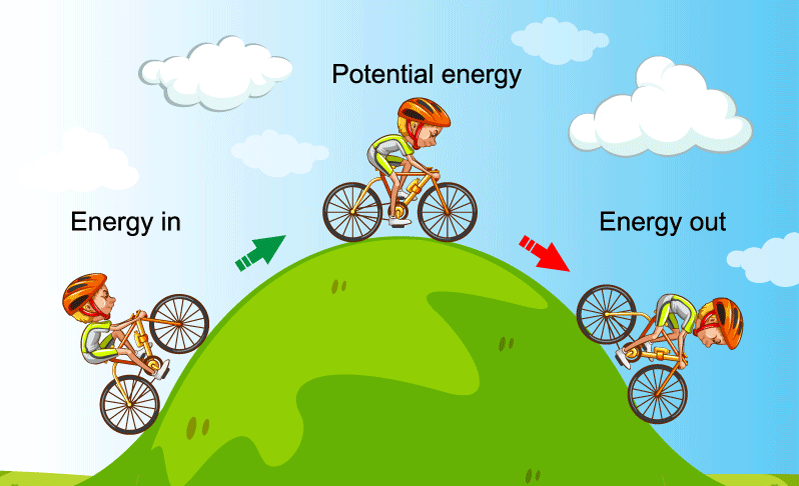
That’s energy conservation in a nutshell. It just transforms. It goes from one form to another. Like that uneaten pizza from Friday night. Potential energy when it's sitting in the fridge. Kinetic energy when you fling it across the room in disgust (don’t judge). Thermal energy when the cat uses it as a heated seat.
Must Read
The "No Free Lunch" Principle
This brings me to my unpopular opinion: the conservation of energy is just a fancy way of saying, "There ain't no such thing as a free lunch." Economists have known this for ages! You can't get something for nothing. Every action requires energy input, whether it's you getting off the couch or a rocket launching into space.
Think about a wind-up toy. You spend energy winding it up (kinetic, muscle energy). That energy is stored as potential energy in the spring. Then, bam! The toy zooms across the floor, converting that potential energy back into kinetic energy. See? No energy was created or destroyed; it just transformed from being all wound up to zooming!
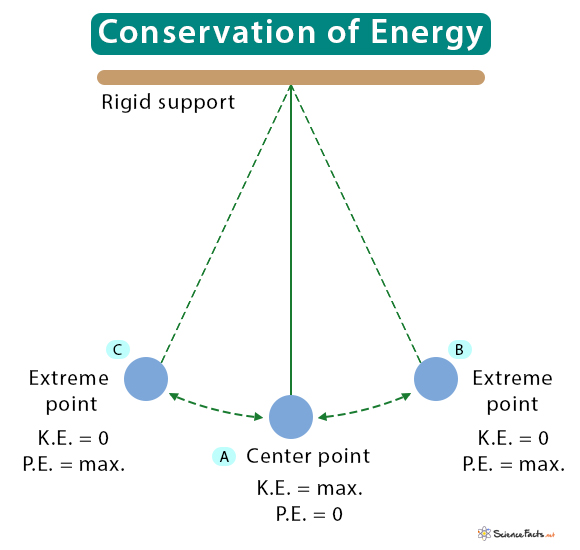
Even something like a light bulb follows this rule. Electrical energy flows in, and light and heat come out. You might want all light, but some energy always escapes as heat. Annoying, but unavoidable. Blame thermodynamics.
The Universal Sock Drawer
Imagine the universe as a giant sock drawer. It contains all the socks (energy) that ever existed. You can rummage around, move socks from one pile to another, even tie them into knots, but the total number of socks in the drawer remains constant. Some might be lost behind the drawer (dark energy, maybe?), but they're still technically IN the drawer. The universe is just a messy sock drawer, really.
Scientists use super-complicated equations to describe these energy transformations. They talk about kinetic energy, potential energy, thermal energy, nuclear energy, and all sorts of other energies. But at the end of the day, they're just describing how the socks are moving around.
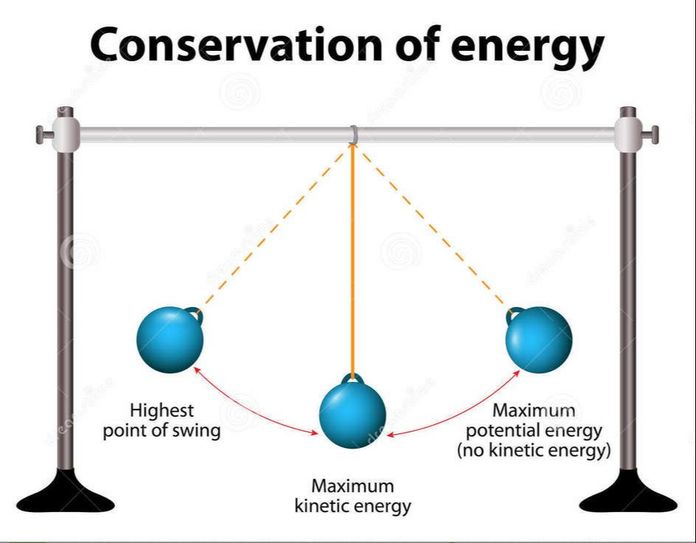
And here's the fun part: the universe is incredibly efficient. It almost never wastes energy. It's constantly finding new and creative ways to transform it. Which is why we have things like sunshine powering plants, and plants powering pizza (eventually, if you’re like me).
Exceptions? Maybe...
Now, are there exceptions to the conservation of energy? Some scientists are exploring that very question! What about dark energy and dark matter? What about quantum fluctuations where, for incredibly brief moments, it seems like energy DOES pop into and out of existence? Maybe our sock drawer has a small tear in the fabric of space-time. The mystery continues!

But for your everyday life, you can pretty much rely on the conservation of energy. It explains why your phone battery dies (energy is used up to power the screen, apps, etc.) and why you need to eat (energy to fuel your body).
So next time you're feeling tired, just remember: you're not running out of energy; you're just transforming it. Maybe you need to transform some of that potential energy (laying on the couch) into kinetic energy (grabbing a snack). Or maybe you just need to accept that you are not a machine, and it is okay to be tired.
So, that's my take. The conservation of energy: It's the universe's way of saying, "You can't cheat the system." And also, “Keep track of your socks." Both seem like pretty good advice, if you ask me.