
What Is The Color Of Rust

Rust: More Than Just an Old Car's Nightmare
Ever stopped to really look at rust? I mean, beyond thinking, "Ugh, I need to deal with that"?
It's more than just an ugly spot on your car; it's a color with a story, a process, and even a surprising amount of variety.
The Obvious Answer: Rusty Orange-Red
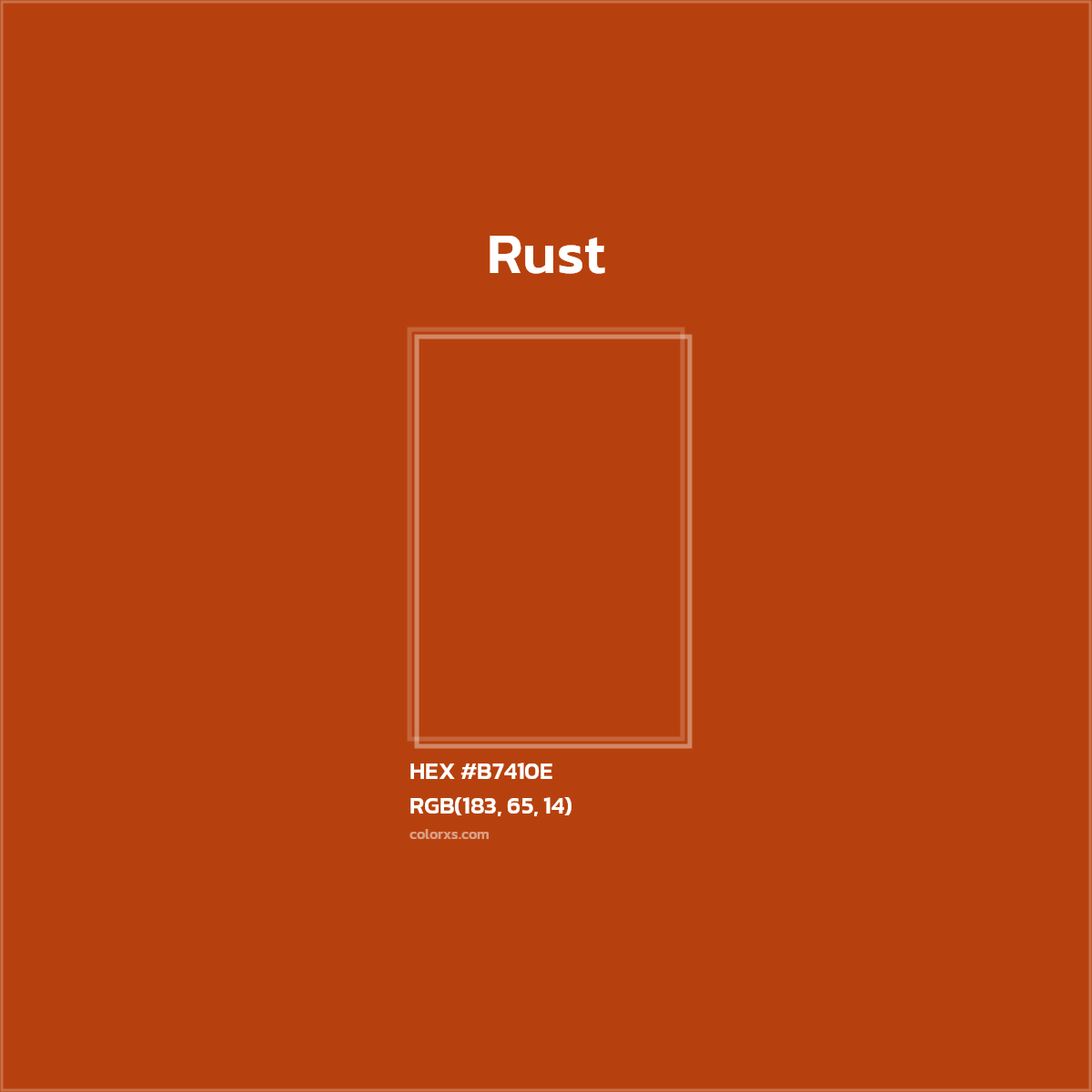
Okay, let's get the basics out of the way. When you think of rust, you probably picture that classic orange-red hue. It's the color of forgotten swingsets in parks and the slightly alarming stains on old pipes.
Must Read
This is the rust we all know and, let's be honest, usually avoid.
But is that the whole story?
But Wait, There's More! The Rust Color Spectrum
Believe it or not, rust isn't a one-shade-fits-all kind of thing. The color of rust can vary wildly depending on a few factors.
Think of it like those mood rings that were all the rage in the 90s – only instead of your emotions, rust reflects the environment it's in!
What are the factors influencing the rust's color?
The Culprits Behind the Color Variations
So, what's behind this colorful world of rust? It comes down to what exactly the iron is reacting with. The color of the rust is influenced by: the metal, humidity, and other elements.
The chemistry of rust, at a very high level, means that different iron oxides are created under different conditions.
And these different oxides? You guessed it – different colors!
From Brown to Black: Rust's Darker Side
Sometimes, rust leans more towards brown, almost like a dark chocolate. This often happens when there's less oxygen readily available during the rusting process.
Think of it as rust trying to be a bit more mysterious and subdued.
Even darker, almost black rust can occur in certain industrial environments or when the metal is exposed to specific chemicals.
Yellow and Green Rust: A Cause for Alarm?
Now, this is where things get a little more interesting (and potentially alarming). Yellow or even greenish rust can indicate the presence of chlorides.
This is often seen in coastal areas where saltwater is prevalent, or where de-icing salts are used on roads. This type of rust is often associated with a more aggressive corrosion process.
So, if you see yellow or green rust, it might be time to call in the experts!
The Story the Color Tells
Ultimately, the color of rust is a clue. It’s a detective whispering hints about the metal's past and present.
The color is a tale of exposure to different environmental factors.
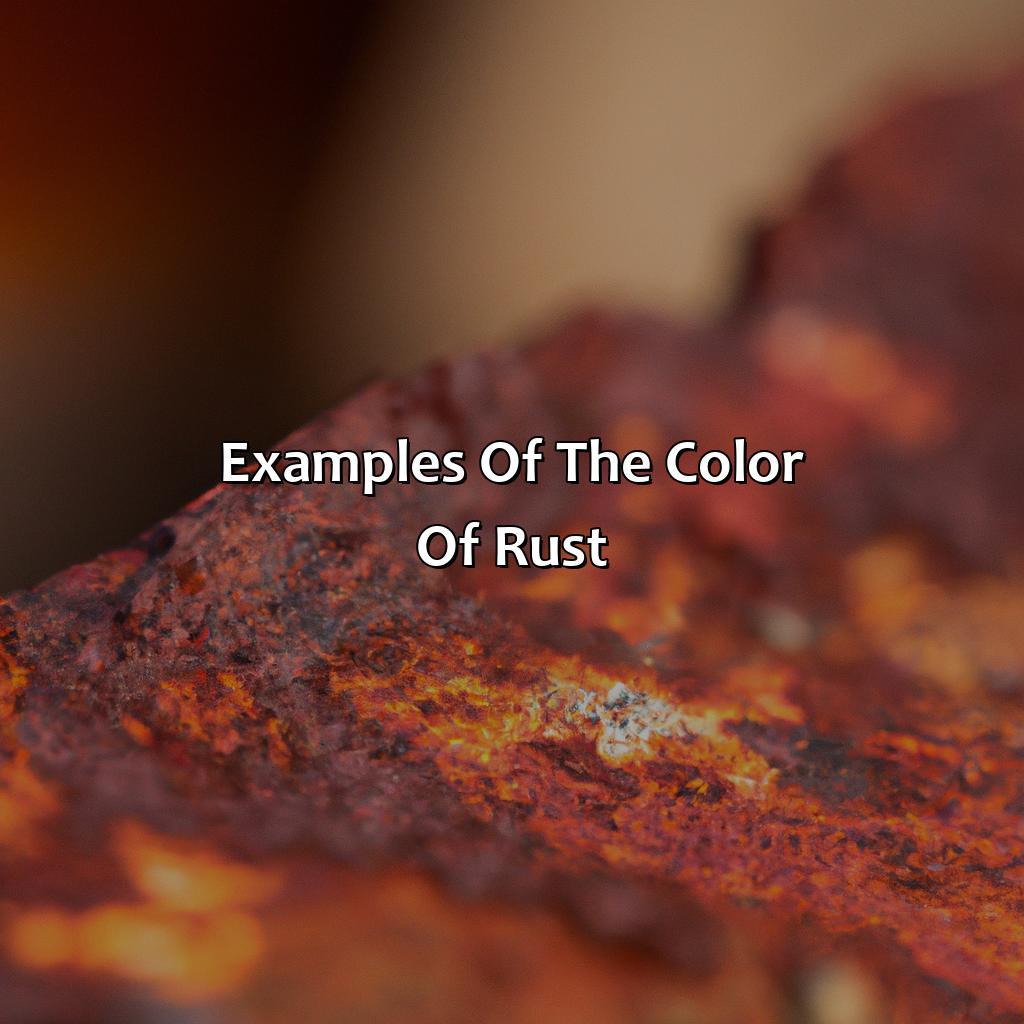
It tells of rain, salt, chemicals, and the slow, inevitable dance between iron and the elements.
Rust as Art: Embracing the Patina
Believe it or not, some people actually seek out rust! They appreciate its unique texture and color, seeing it as a beautiful, natural patina.
Think of it as the metal's way of aging gracefully (or, at least, interestingly).
Artists and designers use rusted metal to create striking sculptures, furniture, and architectural details.
The Warmth of a Weathered Barn
Have you ever noticed the particular charm of an old, weathered barn? Part of that charm often comes from the rusty, corrugated metal roofing or siding.
That aged rust creates a warmth and character that new materials simply can't replicate.
That warm color evokes feelings of nostalgia, resilience, and the beauty of the natural world.
Rust in Photography: Capturing Decay
Photographers are often drawn to rust. Its textures and colors add depth and interest to their images.

A close-up shot of a rusted bolt, a peeling paint on a rusted metal door, or a decaying vintage car can tell a compelling story.
Rust provides a visual representation of time passing, a reminder of the ephemeral nature of all things.
Rust and Sentimental Value
Sometimes, rust isn't just a sign of decay; it's a marker of cherished memories. That old bicycle with the rusty frame? It might be the one you learned to ride on as a kid.
The slight reddish coloring evokes powerful feelings.
That rusty garden tool might have belonged to your beloved grandparent. The reddish shade links us to the past.
Beyond the Negativity: Finding Beauty in the Unexpected
So, the next time you see rust, take a moment to appreciate it. Look beyond the initial reaction of annoyance or disgust. See rust as a spectrum of color.
Observe the shades and textures, and consider the story that it is telling. Notice whether it is orange, red, brown, yellow or green.
There's a surprising amount of beauty and even poetry to be found in this seemingly mundane phenomenon.
Rust Prevention: Respecting the Process
Of course, while appreciating the aesthetic qualities of rust is one thing, preventing it is often a necessity. Especially when it comes to things like cars or structural components!
Understanding the factors that contribute to rust formation can help you take steps to protect your belongings.
This includes protective coatings, proper storage, and regular maintenance. By respecting the process, you can slow it down.
The Ongoing Saga of Iron and Oxygen
The formation of rust is a constant reminder of the power of nature.
It is a reminder of the chemical reactions that are constantly shaping our world.
The reddish color we see is the product of an ongoing saga between iron, oxygen, and the elements.
A Final Thought: The Enduring Appeal of Patina
Whether you view rust as a nuisance to be eradicated or a beautiful patina to be admired, it is undeniable that it is a powerful and evocative force.
It's a reminder of the passage of time, the resilience of nature, and the beauty that can be found in the most unexpected places.
So, embrace the rust! (But maybe get that leaky pipe fixed, just in case.)