What Is The Color Of Crude Oil
Okay, spill the beans. When I say "crude oil," what color pops into your head? Black, right? Sooty, ominous, probably coating a sad polar bear in a dramatic movie scene? Yeah, me too. For years, I just assumed crude oil was this monolithic, inky abyss of a liquid. Like the universe's most depressing espresso. But here's the kicker, folks: that's about as accurate as saying all dogs are poodles.
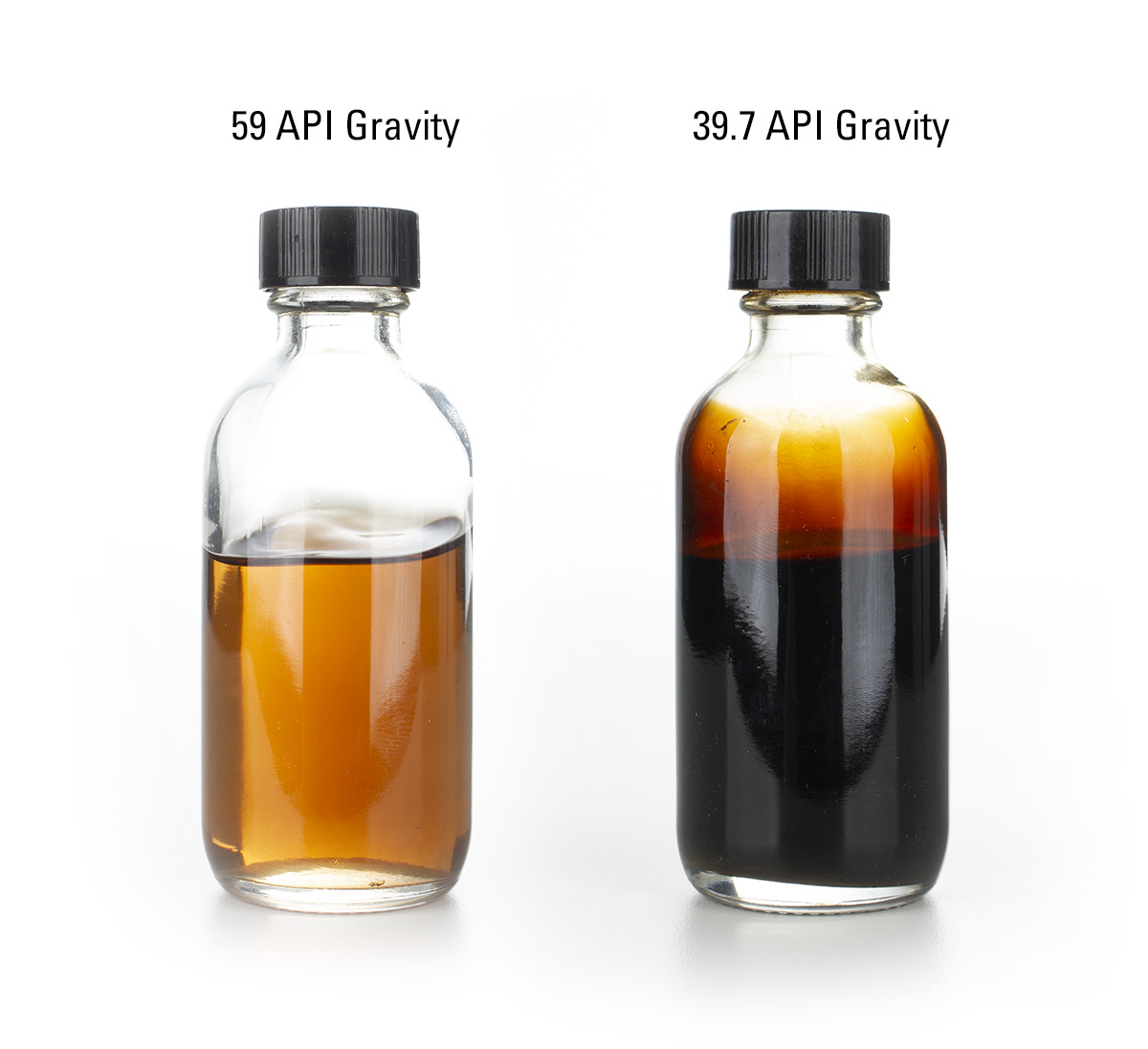
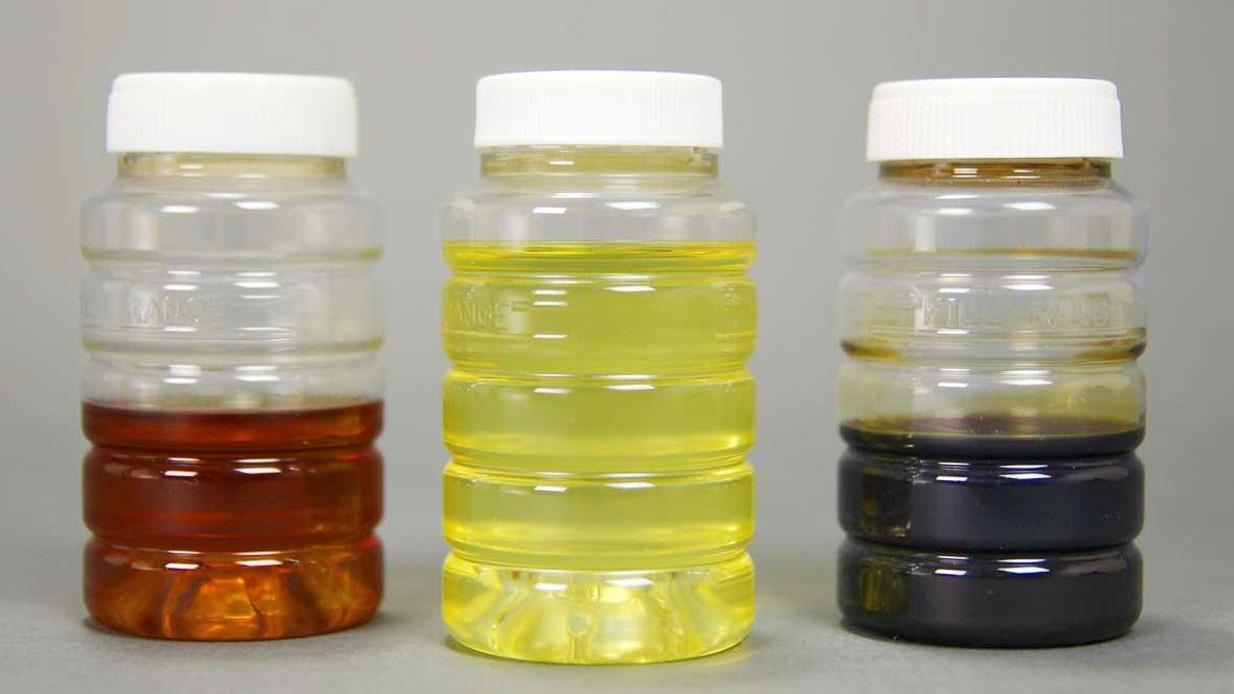
Prepare yourself, because I'm about to blow your mind and possibly ruin your next action movie experience. Crude oil isn't just one boring, scary shade of black. Oh no. It has a color palette that could rival a moody autumn landscape or, you know, a very confused crayon box. We're talking gold, amber, reddish-brown, even greenish-black. It's like a surprise party in a barrel, only instead of balloons, you get a whole spectrum of hydrocarbons. Who knew geology could be so utterly flamboyant?
The Great Black Myth Bust
So, why is "black" the default setting in our collective consciousness? Well, movies and news reports tend to focus on the dramatic spills, which, let's be honest, often involve the heavier, tarrier, and yes, blacker types of crude. Plus, once it hits the open air and mixes with other stuff, even lighter oils can start to look pretty gnarly and dark. It’s like when your pristine white t-shirt falls in the mud; it wasn't born brown, but it certainly looks it now.
Must Read
But dive deep (metaphorically, please, unless you’re a professional), and you’ll find a surprising array of hues. It turns out, the color of crude oil is basically its ID card, telling you a lot about its composition and where it's been hanging out. Think of it like coffee – a light roast and a dark roast are both coffee, but they look and taste wildly different, right? Crude oil is the same, but with slightly higher stakes and definitely less caffeine.
What’s Behind the Technicolor Sludge?
The biggest culprits in this chromatic chaos are two things: how many heavy molecules it has and what kind of impurities are tagging along for the ride. It’s like a party where some guests are light and airy, and others are dragging a suitcase full of asphalt and sulfur. These heavy, tar-like compounds? They’re called asphaltenes, and they are the undisputed champions of turning oil dark. The more asphaltenes, the closer you get to that classic "doom and gloom" black.

Then there are the other bits and bobs: sulfur, nitrogen, oxygen, and trace metals. These "contaminants" aren't always bad, but they definitely play a role in the color. Sulfur, for instance, in high concentrations, tends to darken the oil and make it, well, sour. (Fun fact: "sour crude" means it has a high sulfur content, not that it’s throwing a tantrum.)
A Rainbow of Riches (and Refineries)
Let's take a little tour through the crude oil color wheel, shall we?
The Golden Child: Light Sweet Crude
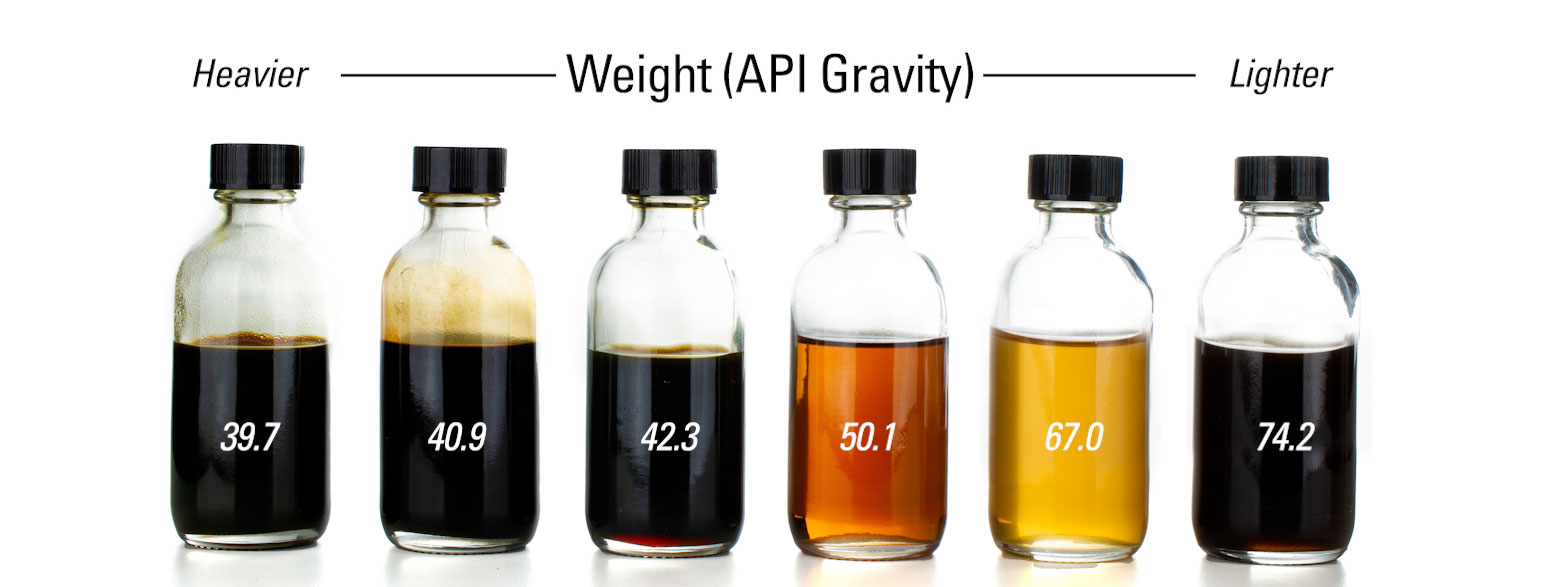
Imagine a crude oil so light and pure, it looks like a rich, golden honey, or maybe a very dark olive oil. This is your light sweet crude – the supermodel of the oil world. It flows easily, has very few impurities (especially sulfur, which smells like rotten eggs, not exactly a desirable perfume), and is a dream to refine. Think West Texas Intermediate (WTI) or Brent crude. These are the VIPs, often reddish or yellowish-brown. They're basically the equivalent of finding a unicorn at a donkey show – highly sought after and easier to deal with.

The Middle Ground: Medium Crude
Then you move down the spectrum. You get your medium crudes, which are typically darker browns, maybe a bit murky. They're like the reliable, middle-of-the-road sedans of the oil world. Still good, still useful, but maybe a little less flashy than their golden cousins.
The Dark Side: Heavy Sour Crude
And then, at the other end, we have the heavy, sour crude. This is the stuff that gives crude oil its bad rep. It's often thick, viscous, and yes, inky black. It's packed with those heavy asphaltenes and usually a hefty dose of sulfur. Refining this stuff is like trying to turn concrete into cotton candy – a lot more effort, a lot more cost, and sometimes, a bit messy. This is your molasses-thick, tarry crude, sometimes with a greenish tinge when viewed in thin layers, which is surprisingly pretty for something so difficult.
The Irony of "Black Gold"
It's a delicious irony, really. We call it "black gold," but often, the truly black stuff is the least "golden" in terms of refining ease and value. The lighter, clearer, more golden varieties are often the ones that fetch the highest prices because they're easier and cheaper to convert into gasoline, jet fuel, and all those other goodies we use every day. So, sometimes, less black means more bling!
From Crude to Clear (Mostly)
Once this rainbow of crude hits the refinery, it goes through a serious glow-up. Distillation columns and chemical processes work their magic, stripping away the impurities and separating the different components. It’s like a very advanced sorting hat, turning all those funky colors into the clear, amber, or sometimes even blue-tinted products you see at the pump. Your gasoline isn't black, right? That's thanks to a whole lot of science turning that crude spectrum into something much cleaner.
So, What Have We Learned?
The next time someone casually mentions "black crude oil," you can drop this little nugget of wisdom on them. You can be the person who reveals the secret life of oil, its surprising spectrum, and the fact that its true colors are a lot more diverse than Hollywood lets on. It’s not just black; it’s a whole complicated, colorful, fascinating mess under our feet. And isn't that just a little bit more interesting than a plain old blob of black? Your polar bears (and your knowledge) will thank you.