Alright folks, gather 'round, because we're about to dive headfirst into one of life's most pressing, most perplexing, and frankly, most sparkling questions: What is the charge for lead?
Now, I know what some of you are thinking. "The charge for lead? Like, how much does a lead pencil cost these days?" Or maybe, "Is there a parking ticket for leaving a heavy lead pipe in the wrong spot?" Or perhaps, "Does leading a rock band incur a hefty booking fee?" Ha! Very clever, you quick-witted rascals! But today, my friends, we're talking about a completely different, infinitely more electrifying kind of charge. We're talking about the secret life of atoms, the hidden dance of electrons, and the very essence of what makes lead, well, lead!
No, Not a Bill! It's an Atomic Adventure!
Forget your wallets, put away your credit cards, because the "charge" we're dissecting today isn't about money. It's about something far more fundamental, something that powers our world in ways we rarely think about: the electrical charge of an atom. Every single element on the periodic table, from the lightest whisper of hydrogen to the beefy might of uranium, has a personality defined by its tiny, whizzing particles: protons (the positive party animals), neutrons (the chill, neutral buddies), and electrons (the negatively charged, restless wanderers).
An atom, in its natural, relaxed state, is usually a perfectly balanced crew. It has an equal number of positive protons and negative electrons, making it perfectly neutral – just hanging out, minding its own business. But sometimes, atoms get a little frisky. They either lose some of their precious electrons (becoming more positive, like a ridiculously generous friend who gave away all their snacks to everyone) or they gain extra electrons (becoming more negative, like someone who just collected all the freebies at a convention!). When an atom does this, it transforms into an ion, and it takes on a specific charge.
Think of it like this: If an atom is a perfectly balanced seesaw, losing an electron is like someone hopping off one side, making the other side pop up! That "pop" is its new, positive charge, a literal bounce in its step!
How Many Protons, Neutrons and Electrons Does Lead Have?
Lead's Favorite Charges: The +2 and the +4 Show!
So, where does our star of the show, Lead (which, for the super science enthusiasts among us, goes by the cool, ancient symbol Pb – from the Latin "plumbum," which also gives us "plumbing," fun fact!), fit into all this atomic drama? Well, lead is a rather heavy, rather respectable, and surprisingly versatile element. And when it comes to taking on a charge, lead has a couple of preferred looks, its signature styles, if you will. It’s got a few favorite ways to lighten its electron load!
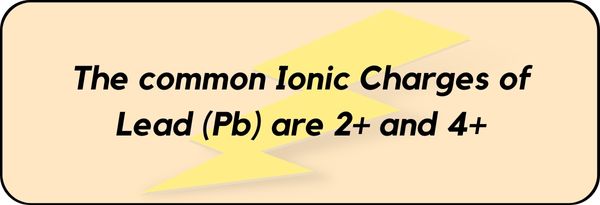
Lead most commonly loves to shed some of its electrons to become positively charged. Its absolute favorite moves are:
Lead Charge Chemistry at Michelle Peckham blog
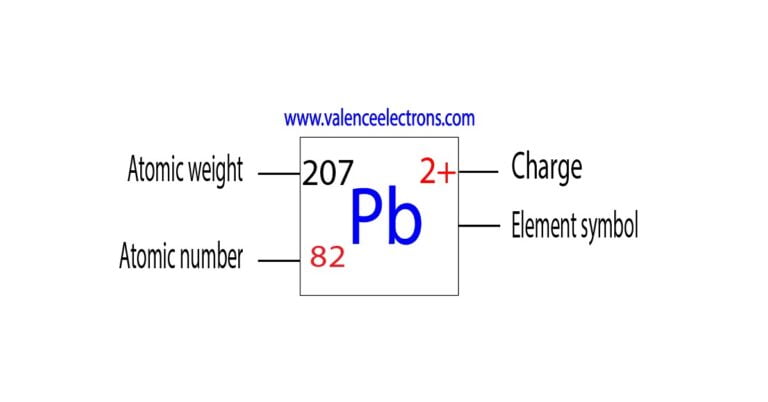
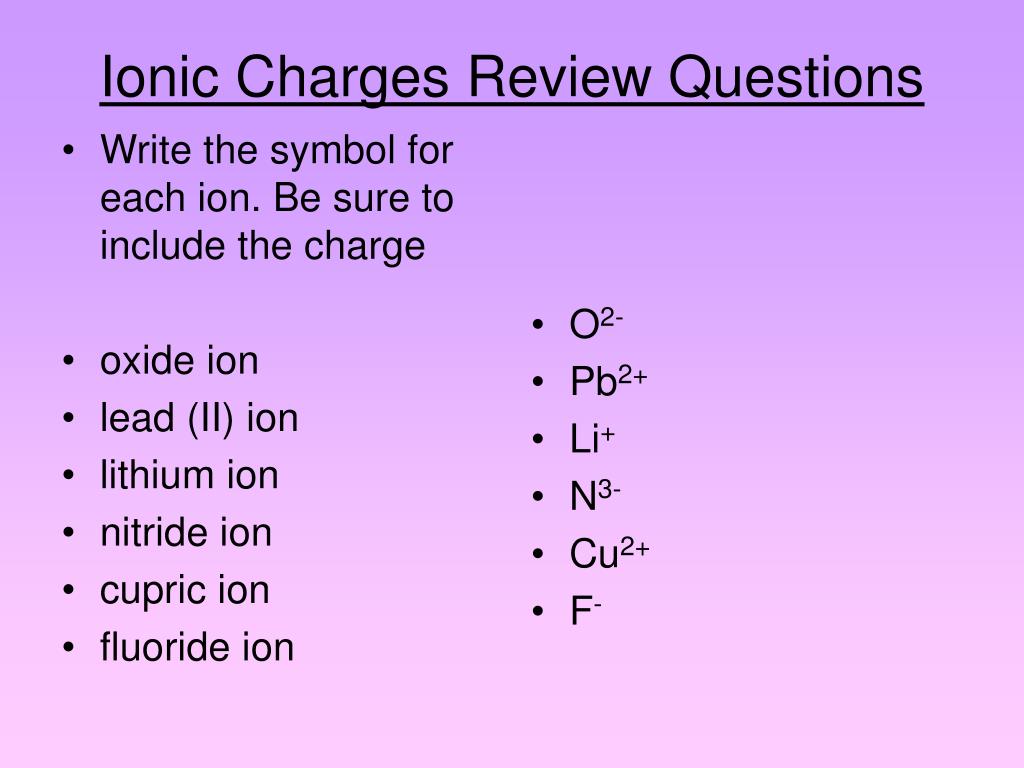
+2 Charge: This is when lead decides to be a bit of a minimalist. It gracefully kicks out two of its outer electrons, becoming a positively charged lead(II) ion. It's like lead saying, "Hey, I've got too much baggage; I'm lighter, breezier, and ready for action now!" This is super common, and you'll find lead happily flaunting its +2 status in countless compounds.
+4 Charge: Feeling a little more adventurous and generous? Lead can also choose to ditch four of its outer electrons, transforming into a powerfully positive lead(IV) ion. This is a slightly less common but still very important move for lead, showcasing its willingness to go the extra mile to achieve a particular kind of stability. It's like lead saying, "Let's REALLY lighten the load and get this atomic party started!"
These two prominent "charges" – +2 and +4 – are what make lead such a fascinating and adaptable player in the grand chemical world. They dictate precisely how it will interact with other elements, what kind of compounds it will form, and even how it behaves in practical, everyday applications.
From Batteries to Bells: Lead's Charged Life in Action!
Remember those awesome, indispensable lead-acid batteries in our cars that get us going every morning? Guess what! The entire magical dance of storing and releasing electricity in those powerful batteries relies entirely on lead atoms gracefully shifting between their different charged states. It's like a perfectly choreographed chemical ballet of electron exchange, all thanks to lead's incredible ability to take on a charge!
Historically, lead's unique "charge personality" made it incredibly useful (and sometimes, as we now know, dangerously so!) in things like paints (think of the brilliant white pigments that were once popular, their vibrancy powered by lead's specific reactivity) and even in old plumbing systems. Its distinct characteristics – its heaviness, its malleability, and most importantly, its specific chemical reactivity (all thanks to those preferred charges!) – made it a truly go-to material for builders, artists, and engineers for centuries, shaping aspects of civilization.
So, the next time someone asks you, "What is the charge for lead?" you can confidently puff out your chest and declare, "It's not about money, my friend! It's about lead being a magnificent atomic superstar, happily giving away two or even four of its electrons to become a positively charged ion, influencing the world around us!" You're not just passively learning a scientific fact; you're actually uncovering the vibrant, secret life of elements, understanding their unique personalities and how they play a role in the universe around us. And honestly, isn't that just the coolest, most wonderfully mind-expanding thing ever?
Lead might be heavy, but its atomic charges give it a light-hearted, generous spirit when it comes to electron sharing. It's truly a charged character, wouldn't you say?