What Is The Chance Of Lightning Striking Your House

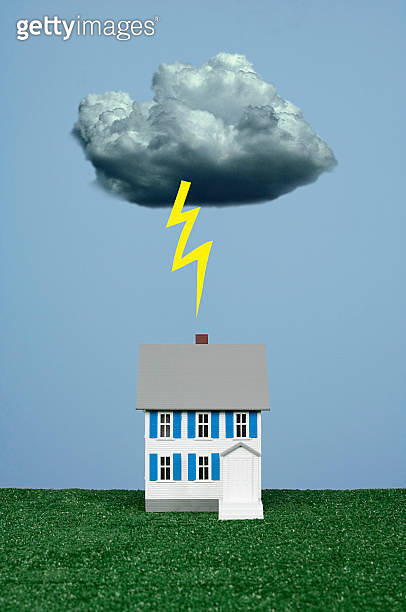
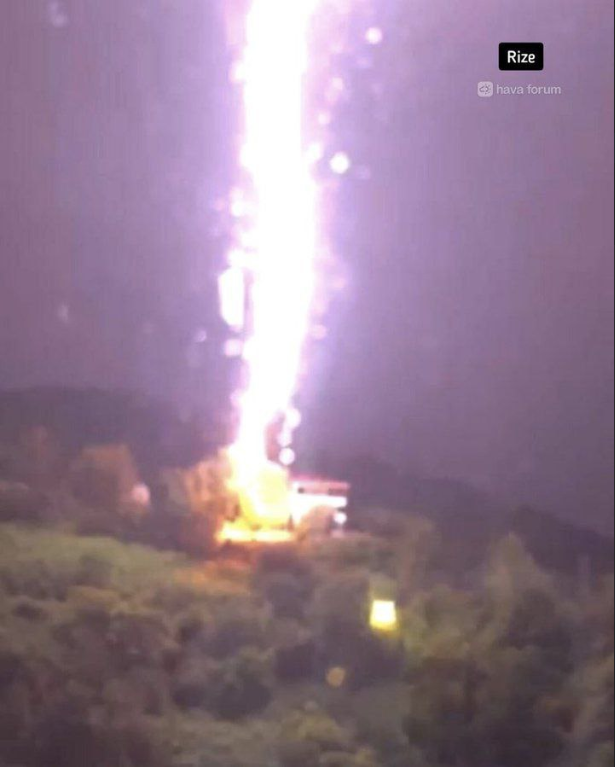
There's something uniquely captivating about a thunderstorm, isn't there? The visceral rumble of thunder, the sudden, brilliant flash of light illuminating the night sky – it's a primal spectacle that both awes and, let's be honest, a little bit terrifies us. And tucked somewhere in that thrilling mix of wonder and apprehension is often a nagging question that piques our inner statistician: “What are the chances of that lightning bolt hitting my house?” It’s a natural human curiosity, blending our fascination with nature’s raw, untamed power with our very real desire to keep our cozy abodes safe and sound. We love to quantify risks, especially when it comes to the dramatic, unpredictable forces of the natural world that seem to defy control. It’s less about fear and more about a healthy respect and a desire for knowledge.
Understanding the actual odds of a lightning strike isn’t just about satisfying a morbid curiosity; it actually serves a wonderfully practical purpose in our everyday lives. It’s a gateway to informed safety and genuine peace of mind. Knowing the real statistics helps us move past exaggerated fears often fueled by sensational media and focus on practical, actionable precautions. Instead of picturing our roof bursting into flames with every distant flash, we can appreciate the immense power of a storm while taking sensible, proportionate steps to protect what matters. It helps us discern between genuine, albeit rare, threats and Hollywood-fueled anxieties, empowering us to make smart decisions about protecting our property and, more importantly, our loved ones. It’s about being aware and prepared, not needlessly alarmed.
Our collective awareness of lightning risk has spurred some truly ingenious solutions throughout history and in our modern homes. Just think of the humble yet profoundly effective lightning rod, Benjamin Franklin’s brilliant 18th-century invention, standing guard on countless rooftops, quietly diverting bolts safely to the ground. This foundational principle extends today to sophisticated whole-home surge protectors that shield our sensitive electronics from devastating power spikes, and even to individual plug-in strips for your most cherished gadgets. Our ever-present weather apps constantly ping us with storm alerts, giving us precious minutes to prepare. On a broader scale, understanding lightning's impact influences strict building codes, electrical safety standards, and even how our homeowners' insurance policies are structured. It's a testament to how human ingenuity continuously responds to nature's awe-inspiring, sometimes volatile, might.
Must Read
So, how do we best “enjoy” this knowledge without becoming hermits during every summer shower? First and foremost, remember the universally endorsed mantra: “When thunder roars, go indoors!” This isn't just a catchy phrase; it's a critical, life-saving rule. Once inside, stay away from windows and doors, and crucially, avoid plumbing and wired electronics like landlines or gaming consoles, as lightning can travel through these pathways. For an extra layer of protection, consider unplugging sensitive electronics during a severe storm or investing in quality surge protectors for your entire home. While the direct odds of your specific house being struck are, thankfully, relatively low (often cited as 1 in 200 to 1 in 10,000 in any given year, depending on location and structure), being prepared is always the wisest course of action. Appreciate the storm’s magnificent grandeur from a safe distance, marvel at its raw power, and rest easy knowing you've taken sensible, smart precautions. You can be fascinated without being foolish.