
What Is The Best Wall Insulation
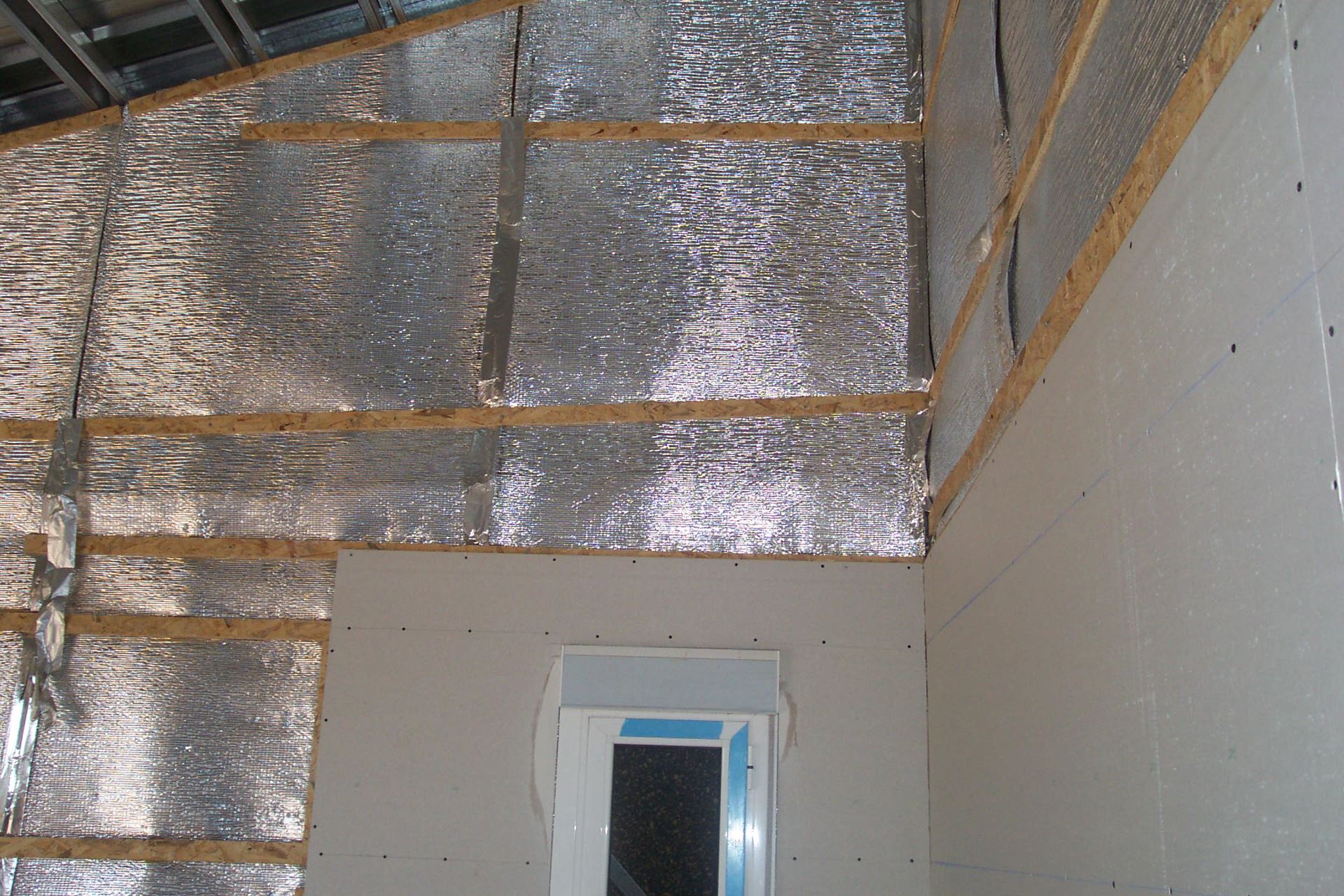
Ever wondered what magic keeps your home feeling like a warm hug in winter and a cool oasis in summer? It's not just your HVAC working overtime; often, the unsung hero is hiding right inside your walls! We're talking about insulation, that cozy blanket for your abode, and choosing the right one can transform your living space from "meh" to "marvelous." Let's dive into the wonderfully woolly world of wall insulation, shall we?
Think about it: your home is your sanctuary, your personal fortress. And just like you'd wear a sensible coat when it's chilly, your house needs its own protective layer to fend off the elements. The right wall insulation doesn't just keep you comfortable; it slashes those pesky energy bills and even helps the planet by reducing your carbon footprint. It's a win-win-win!
The Usual Suspects: A Look at Common Wall Insulation Types
Navigating the insulation aisle can feel a bit like choosing a new phone – so many options, so many specs! But fear not, we'll break down the main players with a friendly, no-nonsense approach.
Must Read
Fiberglass: The Classic Comforter
This is probably what first comes to mind when you hear "insulation." Made from finely spun glass fibers, fiberglass is super common, relatively affordable, and comes in batts (those fluffy rolls) or loose-fill. It's great for new constructions and easy to install if you're comfortable with a little DIY. Just remember to wear protective gear – those tiny glass fibers can be irritating!
Fun Fact: Fiberglass has been around for ages, really taking off in the 1930s. It's essentially molten glass spun into thin threads – a bit like making cotton candy, but for your walls!

Mineral Wool: The Fire-Resistant Forcefield
Also known as rock wool or slag wool, mineral wool is made from basalt rock and recycled slag. It's denser than fiberglass, offering superior soundproofing qualities (hello, quiet evenings!) and incredible fire resistance. If you're looking for an extra layer of peace of mind, mineral wool is a stellar choice, though it might be a tad pricier than fiberglass.
Cultural Nod: Ancient Hawaiians observed natural mineral wool forming near volcanoes from cooled lava. It’s like bottling a bit of volcanic resilience, making your home a fortress against both heat and noise!
Cellulose: The Eco-Friendly Embrace
For the environmentally conscious among us, cellulose is a rockstar. It's typically made from recycled newspaper and treated with fire-retardant chemicals. Blown into wall cavities, it's fantastic for existing homes where you can't easily tear down drywall. It excels at filling nooks and crannies, offering an excellent air seal, and some blends even deter pests! The only minor drawback? It can settle a bit over time, reducing its effectiveness slightly.

Green Heart: Using cellulose means tons of recycled material gets a second life, keeping it out of landfills and insulating your home beautifully.
Spray Foam: The Seamless Seal
Now, this is where things get a bit high-tech. Spray foam insulation (either open-cell or closed-cell) is applied as a liquid that expands to fill every void, creating an incredibly tight air seal. This means exceptional R-value (a measure of thermal resistance), reduced drafts, and often a stronger wall structure. It's a premium product, usually requiring professional installation, but the energy savings can be substantial.
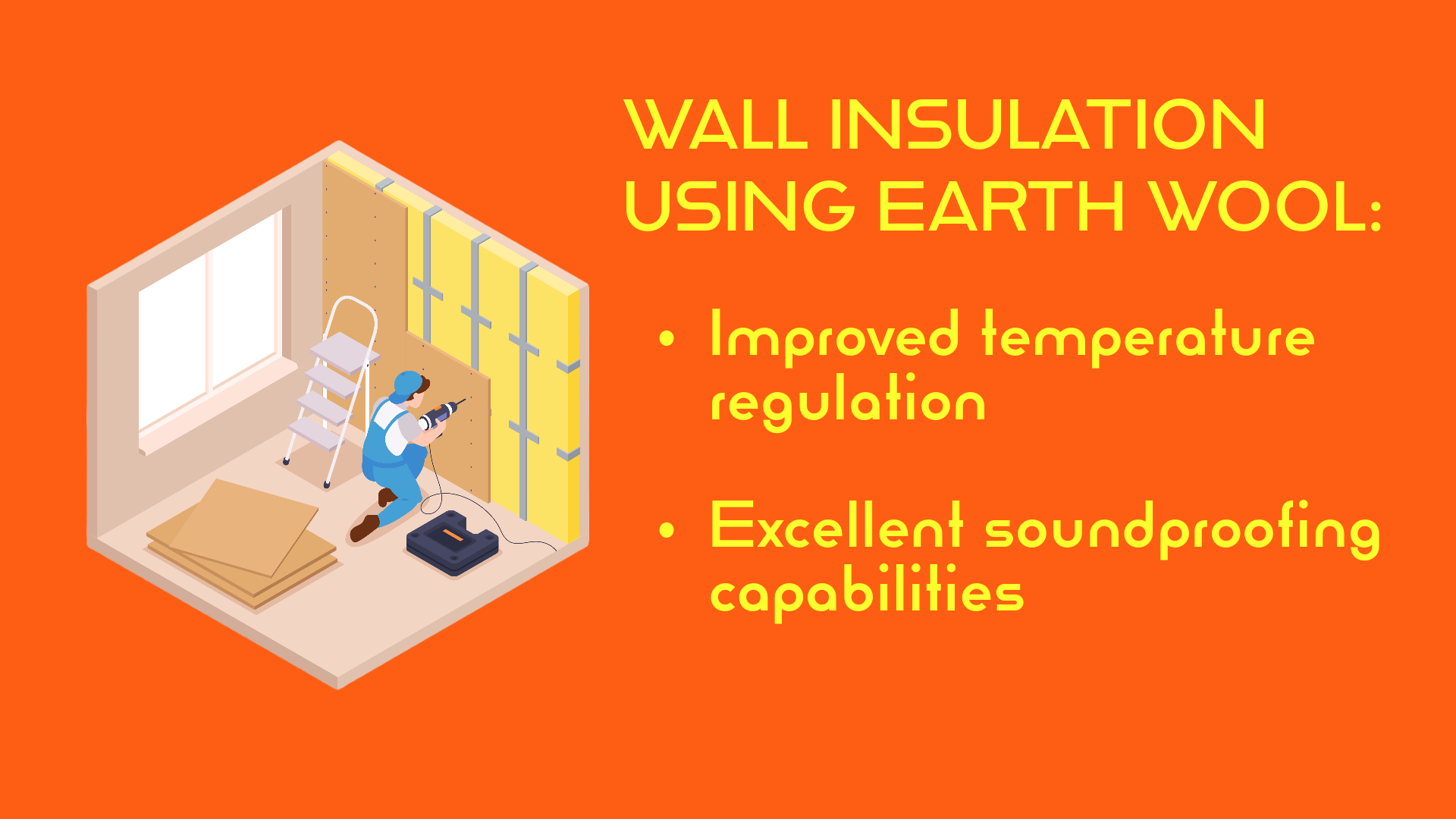
Open-cell foam is softer and more flexible, great for sound dampening. Closed-cell is denser, more rigid, and offers a higher R-value per inch, plus it acts as a vapor barrier.
Rigid Foam Boards: The Sharp Edge Solution
Think of these as solid sheets of insulation. Made from materials like extruded polystyrene (XPS), expanded polystyrene (EPS), or polyisocyanurate (polyiso), rigid foam boards are lightweight, easy to cut, and offer high R-values in a thin profile. They're often used for exterior sheathing, in basements, or for small DIY projects. They also provide a great moisture barrier.
Choosing Your Home's Best Hug
So, which one is "the best"? Honestly, it depends on your home, your budget, and your specific needs. Are you building new or retrofitting an existing space? What's your local climate like? Do you prioritize soundproofing over cost? Are you a DIY enthusiast or looking for professional installation?

- For new builds, fiberglass, mineral wool, or spray foam are all strong contenders.
- For existing walls (without tearing them down), blown-in cellulose or open-cell spray foam are fantastic.
- For maximum energy efficiency and air sealing, spray foam often takes the crown.
- For a budget-friendly yet effective option, fiberglass is hard to beat.
Don't forget to consider the R-value, which indicates how well an insulation material resists heat flow. Higher R-value = better insulation. Your local building codes will often specify minimum R-values for different parts of your home.
Beyond the Walls: A Holistic Approach
While wall insulation is crucial, remember that your home's comfort system is interconnected. Don't neglect your attic insulation (where most heat is lost or gained), your windows, and properly sealed doors. A holistic approach will give you the most bang for your buck and the coziest home possible.
In the end, choosing the right wall insulation isn't just about technical specs; it's about investing in your comfort, your wallet, and your peace of mind. Imagine snuggling up on the couch, a gentle breeze outside, and knowing your home is perfectly sealed, a quiet haven protected from the world. That's the real magic of good insulation – making your everyday life just a little bit warmer, cooler, and a whole lot happier. Cheers to a perfectly insulated future!