What Is The Best Type Of Welding For Beginners

Ever watched a blacksmith on TV, sparks flying, magically joining metal? It looks awesome, right? Welding might seem intimidating, but it's a surprisingly accessible and incredibly useful skill to learn. Whether you dream of building your own BBQ smoker, repairing a wobbly garden gate, or even creating metal art, knowing how to weld opens up a world of DIY possibilities. So, what’s the best way to jump into this fiery craft? Let’s talk about finding the perfect welding method for beginners.
The purpose of welding is simple: to fuse two or more pieces of metal together, creating a strong and permanent bond. The benefits are huge! Beyond the obvious repair and construction applications, welding empowers you to customize, modify, and create things you never thought possible. Learning to weld can save you money on repairs, fuel your creativity, and even become a lucrative side hustle. But with different welding processes out there, where do you even begin?
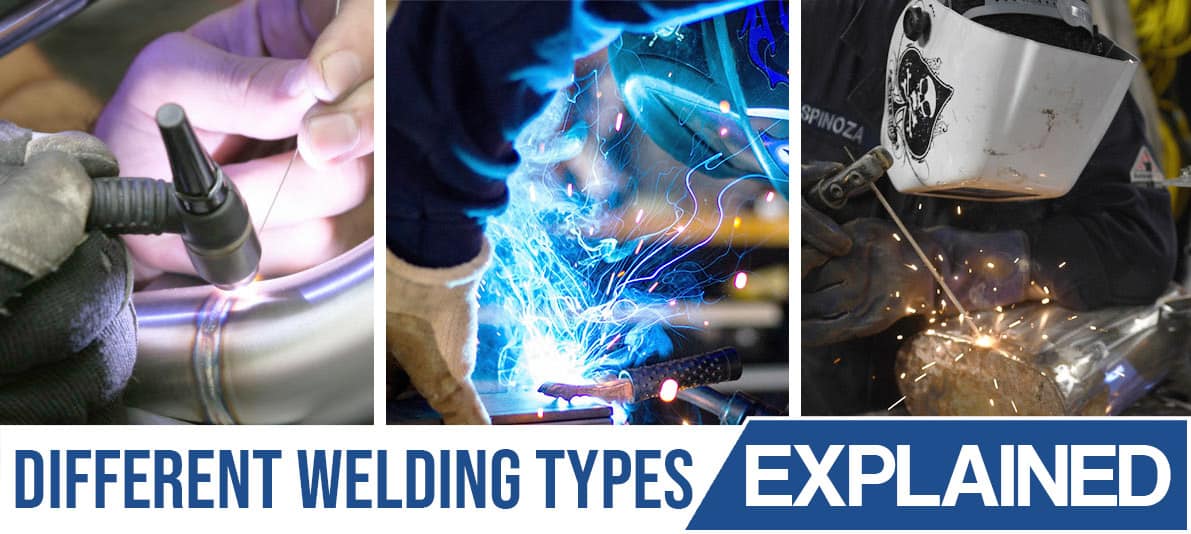
For beginners, MIG (Metal Inert Gas) welding is often considered the easiest and most forgiving to learn. Think of it as the "point-and-shoot" camera of the welding world. MIG welding uses a continuously fed wire electrode, shielding gas to protect the weld from contamination, and it's relatively simple to set up and operate. The learning curve is less steep compared to other methods, allowing you to quickly produce decent-looking welds. It's great for working with thinner metals like steel and aluminum, making it ideal for many common DIY projects.
Must Read
Another popular option is Stick welding (SMAW or Shielded Metal Arc Welding). Stick welding uses a consumable electrode covered in flux, which creates its own shielding gas as it burns. While it can be trickier to master than MIG – requiring more finesse to maintain a consistent arc and prevent sticking – it's a versatile and portable option. Stick welding is excellent for thicker metals, rusty or dirty surfaces, and outdoor projects where wind might blow away the shielding gas used in other processes. Plus, stick welders are generally less expensive than MIG welders, making it an attractive entry point for budget-conscious beginners.

TIG (Tungsten Inert Gas) welding, while capable of producing incredibly clean and precise welds, is generally considered the most challenging process for beginners. It requires coordinating both hands – one to feed the filler metal and the other to control the welding torch – and a high level of control. While the results are beautiful, mastering TIG takes time and practice. It's best to tackle TIG after gaining some experience with MIG or Stick welding.
Ultimately, the "best" welding process for you depends on your individual goals and circumstances. If you're looking for a quick and easy way to start welding thinner metals and don't mind investing a bit more upfront, MIG is a fantastic choice. If you need a more portable and affordable option, or plan to work with thicker or dirtier materials, Stick welding is worth considering. Just remember to prioritize safety! Always wear proper protective gear, including a welding helmet, gloves, and a fire-resistant jacket. With a little practice and patience, you'll be welding like a pro in no time!