
What Is The Best Temperature For A Water Heater
Alright folks, let's talk about something that's near and dear to all of us: hot water! Specifically, the perfect temperature for your water heater. Get ready to dive in (not literally, unless you have a REALLY big water heater).
The Goldilocks Zone: Not Too Hot, Not Too Cold, Just Right!
Imagine Goldilocks breaking into your house, not for porridge, but for a delightfully warm shower. She wouldn't want to be scalded like a lobster, nor shiver like a penguin in Antarctica, right?
That's why finding the sweet spot for your water heater temperature is crucial. It's all about avoiding the extremes and landing in the happy middle.
Must Read
The Danger Zone: Why Too Hot is a Hot Mess
First, let's talk about the fiery depths of "too hot." We're talking temperatures that could peel paint... or worse, your skin!
Seriously, scalding is a real risk, especially for young children and older adults. Think about it, accidentally turning on the hot water tap and getting instantly blasted with boiling water is no laughing matter.
Besides the safety issue, cranking your water heater to the max is a colossal waste of energy. It's like throwing money into a furnace (which, in a way, you are!). The higher the temperature, the more energy it takes to maintain it.
And finally, super-heated water can accelerate corrosion inside your water heater. Say goodbye to your trusty appliance sooner than you'd like!
The Ice Age: Why Too Cold is a Chilling Experience
Now, let's shiver our way to the other extreme: "too cold." Picture this: you're dreaming of a luxurious soak in the tub, only to be greeted by water that feels like it just melted off an iceberg. Brrr!
Beyond the obvious discomfort, lukewarm water can actually be a breeding ground for bacteria. Yes, you read that right! Especially the nasty Legionella bacteria, which can cause a serious form of pneumonia called Legionnaires' disease.
So, while saving a few bucks on your energy bill might seem appealing, you're potentially trading it for a health risk. Not a good bargain!
So, What's the Magic Number? 120°F (49°C) is the Key!
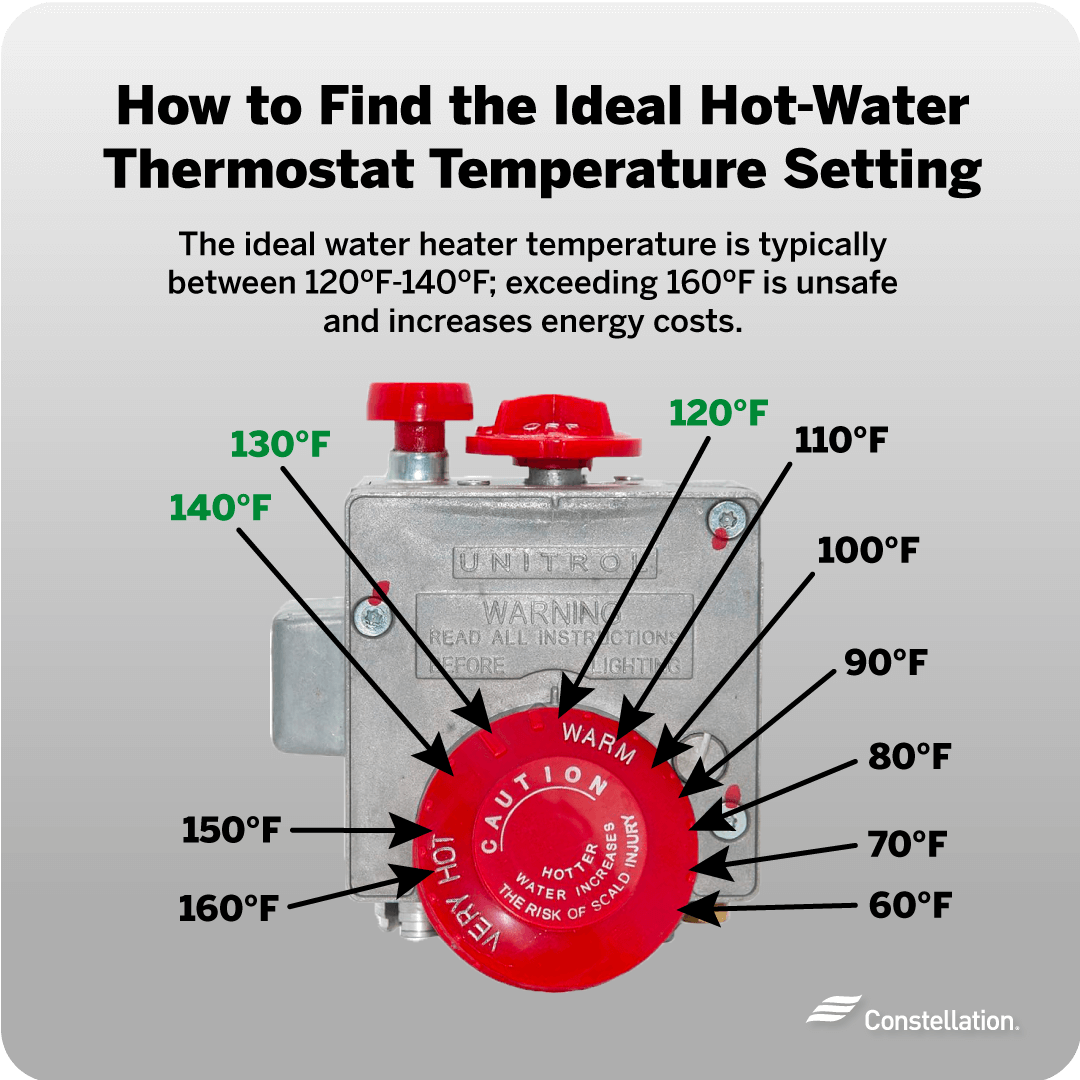
Drumroll, please! The generally recommended temperature for your water heater is 120°F (49°C). This temperature is considered the sweet spot for safety, energy efficiency, and comfort.
At 120°F, you significantly reduce the risk of scalding, saving your precious skin from those dreaded burns. Plus, it's hot enough to keep those pesky bacteria at bay.
Think of it as the Goldilocks temperature – warm enough to be enjoyable, but not so hot that it's dangerous.
How to Check and Adjust Your Water Heater Temperature
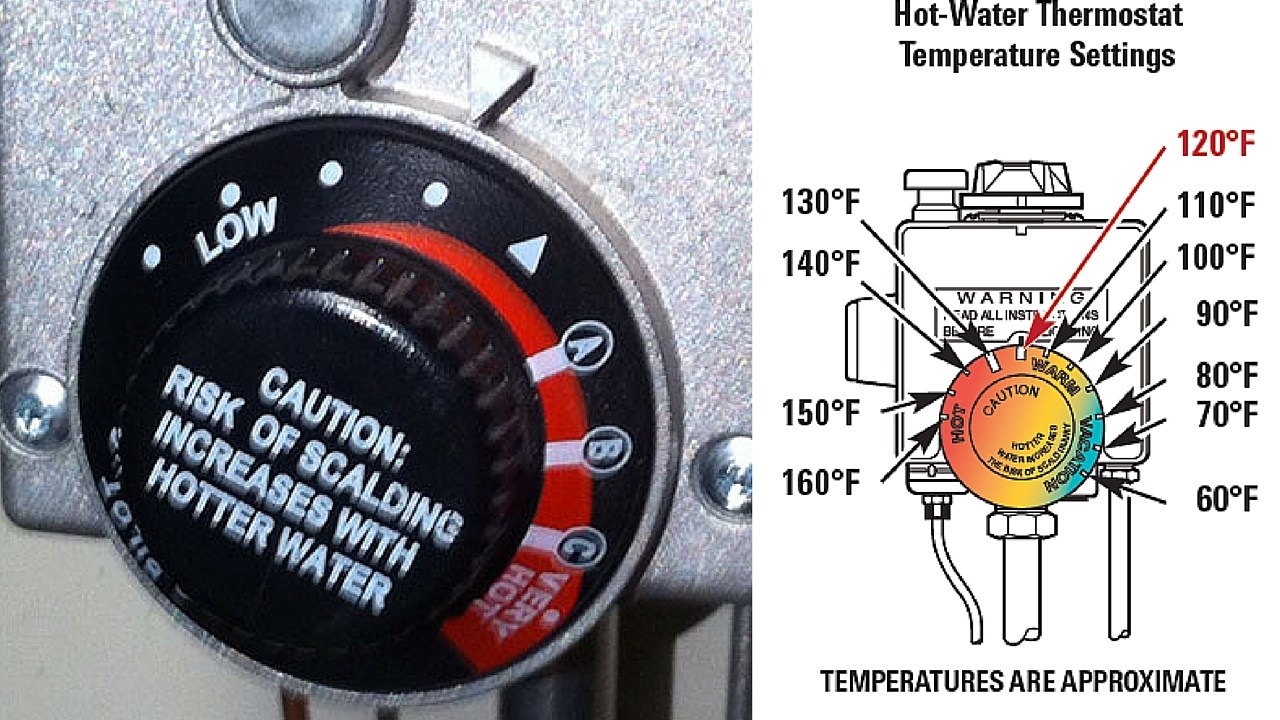
Alright, so you know the ideal temperature, but how do you actually make sure your water heater is set correctly? Don't worry, it's easier than you might think! Most water heaters have a thermostat dial located on the unit itself.
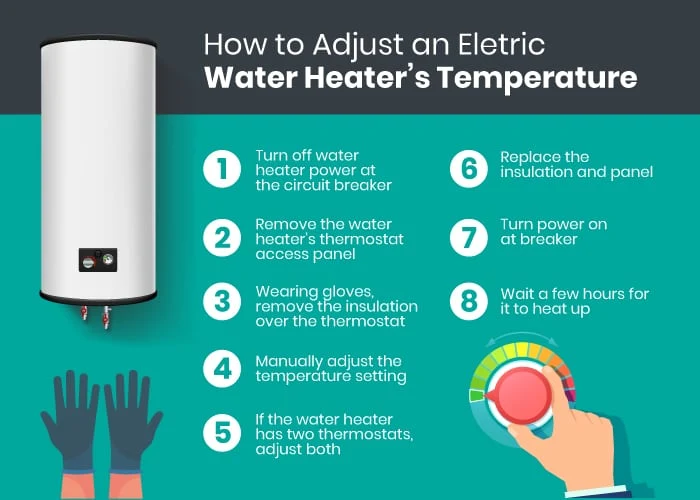
First, locate the thermostat access panel. It's usually covered by a small plate that you can unscrew or pop off. Be careful! Turn off the power to the water heater at the breaker box before fiddling around with anything electrical.
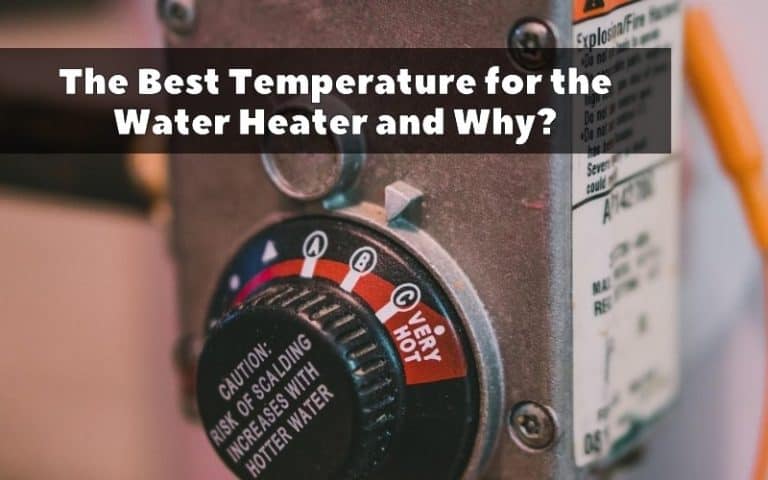
Once you've located the thermostat, you'll see a dial with temperature markings. Use a screwdriver (or your fingers, if the dial allows) to adjust the setting to 120°F (49°C). If your thermostat only shows "Low," "Medium," and "High," start with "Medium" and test the water temperature. You might have to experiment a bit to find the perfect setting.
After adjusting the temperature, wait a few hours for the water to heat up. Then, carefully test the water temperature at a faucet that's far away from the water heater.
Use a thermometer to check the water temperature. If it's too hot or too cold, adjust the thermostat accordingly and test again. Be patient! It might take a few tries to get it just right.
Special Considerations: Kids, Elderly, and Super-Efficient Appliances
While 120°F is a good general guideline, there are a few situations where you might want to adjust your water heater temperature slightly.
If you have young children or elderly individuals living in your home, you might consider lowering the temperature even further, perhaps to 110°F (43°C) or even lower. This will further reduce the risk of scalding, especially since these groups are more vulnerable to burns.
On the other hand, if you have a super-efficient dishwasher that requires higher water temperatures, you might need to bump up the temperature slightly. However, be extra careful to install anti-scald devices on your faucets to protect against accidental burns.
These anti-scald devices, also known as thermostatic mixing valves, automatically limit the maximum water temperature that comes out of your faucets. They're a great way to enjoy hot water without the risk of getting burned.
Beyond the Thermostat: Other Water Heater Wisdom
Setting the right temperature is just one piece of the water heater puzzle. Here are a few other tips to keep your water heater running smoothly and efficiently.
First, insulate your water heater! This will help to reduce heat loss and save energy. You can buy a pre-made water heater blanket at most hardware stores. It's like giving your water heater a cozy winter coat!

Second, flush your water heater regularly. Over time, sediment can build up in the bottom of your water heater tank, reducing its efficiency and lifespan. Flushing the tank helps to remove this sediment and keep your water heater running smoothly.
Third, check your water heater's anode rod. The anode rod is a sacrificial metal rod that protects your water heater tank from corrosion. Over time, the anode rod will corrode away, so it needs to be replaced periodically.
Finally, consider a tankless water heater. Tankless water heaters heat water on demand, so you never have to worry about running out of hot water. They're also more energy-efficient than traditional tank water heaters.
Hot Water Bliss: You've Got This!
So, there you have it! Everything you need to know about setting the perfect temperature for your water heater. With a little bit of knowledge and a few simple steps, you can enjoy safe, comfortable, and energy-efficient hot water for years to come.
Go forth and conquer your water heater! And remember, 120°F (49°C) is your friend. Happy showering!
Now, if you'll excuse me, I'm going to go enjoy a nice, warm, 120°F shower. Ahhh, bliss!