What Is The Best Rated Carbon Monoxide Detector
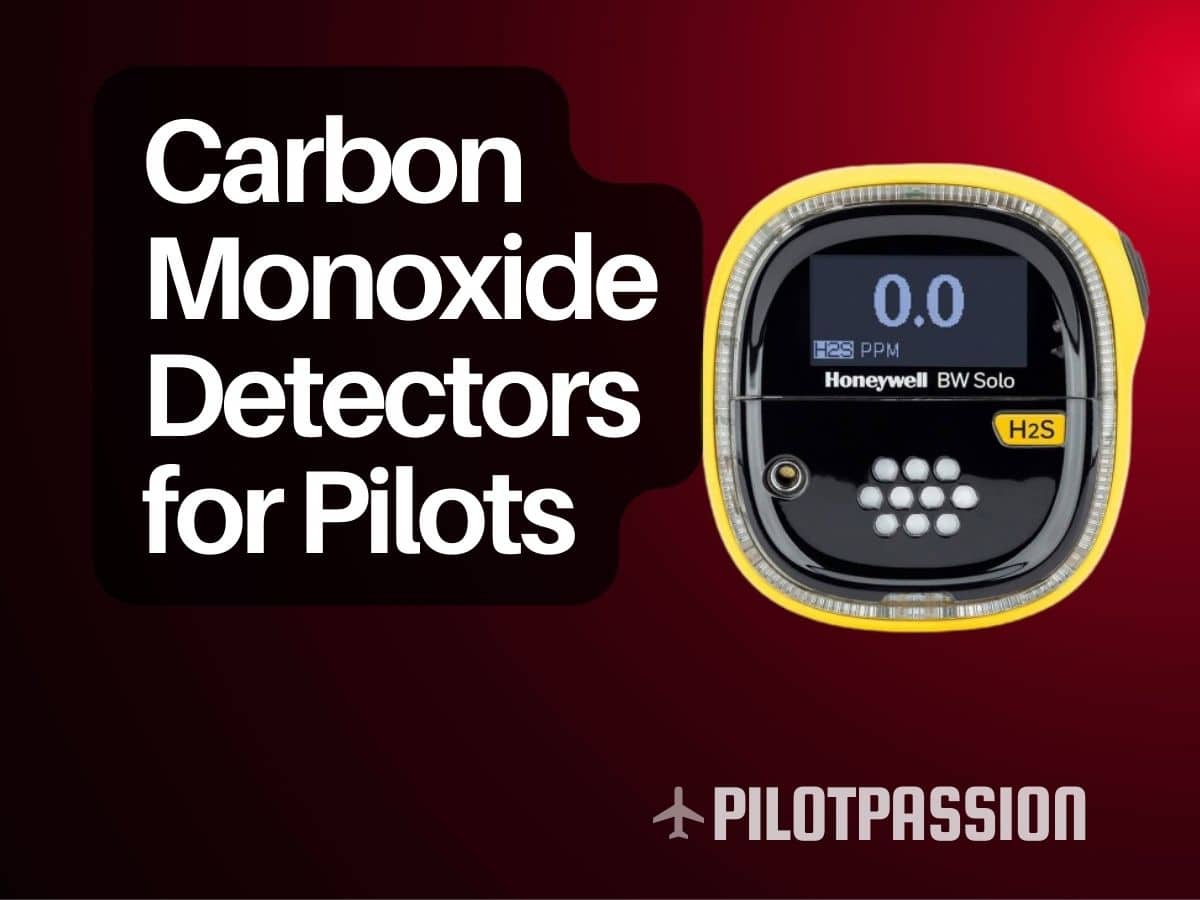
Ever thought about the invisible things lurking around us? Not ghosts, thankfully, but more like the silent, unseen elements that can actually impact our daily lives. Sometimes, the most interesting adventures are the ones that take us right into our own homes, prompting us to ask, "Hey, what’s going on here?" Today, we’re embarking on a little quest to understand something incredibly important yet often overlooked: the humble carbon monoxide detector. It might not sound like the most thrilling topic, but trust me, understanding what is the best rated carbon monoxide detector is like finding a superpower for your home – it grants you peace of mind against a truly sneaky adversary.
So, what exactly does this little gadget do? Imagine a gas that’s colorless, odorless, and tasteless, yet incredibly dangerous. That's carbon monoxide (CO). It's often called the "silent killer" because you can't detect it with your senses. CO is produced when fuels like gas, oil, wood, or charcoal don't burn completely, which can happen with faulty furnaces, gas stoves, water heaters, fireplaces, or even running a car in an attached garage. The scary part is that early symptoms of CO poisoning often mimic the flu – headaches, dizziness, nausea – making it easy to dismiss. This is where a carbon monoxide detector swoops in like a superhero. Its sole purpose is to detect this invisible threat and alert you before CO levels become harmful, giving you precious time to get to safety. The benefits are crystal clear: it's a lifesaver, providing an early warning system that literally protects you and your loved ones while you sleep or go about your day.
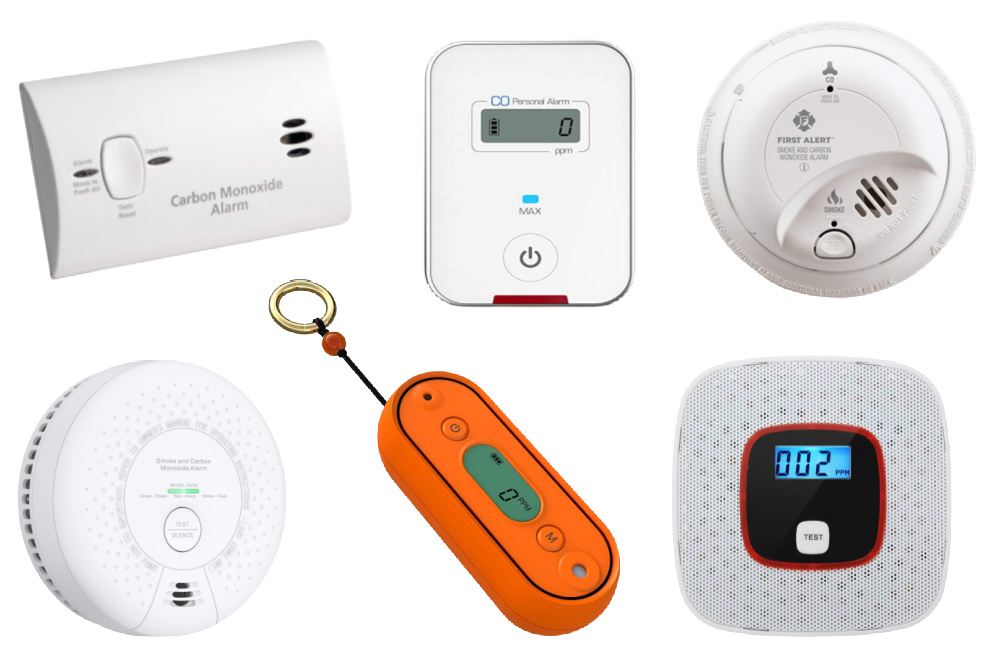
When we talk about the "best rated," we're really diving into a fascinating world of consumer reviews, safety standards, and technological advancements. Think of it like this: just as you research the best car or coffee maker, finding the top CO detector means looking at factors like sensor longevity, battery life, digital displays that show current CO levels, and even smart home integration. For instance, in daily life, these detectors are crucial in every home, especially near sleeping areas and fuel-burning appliances. For educational purposes, understanding CO detectors is a fantastic way to teach about home safety, basic chemistry (combustion!), and the importance of regular appliance maintenance. Imagine a school project where students research CO sources and the different types of detectors, learning to prioritize safety in a practical, hands-on way. It’s about becoming an informed guardian of your personal space.
Must Read
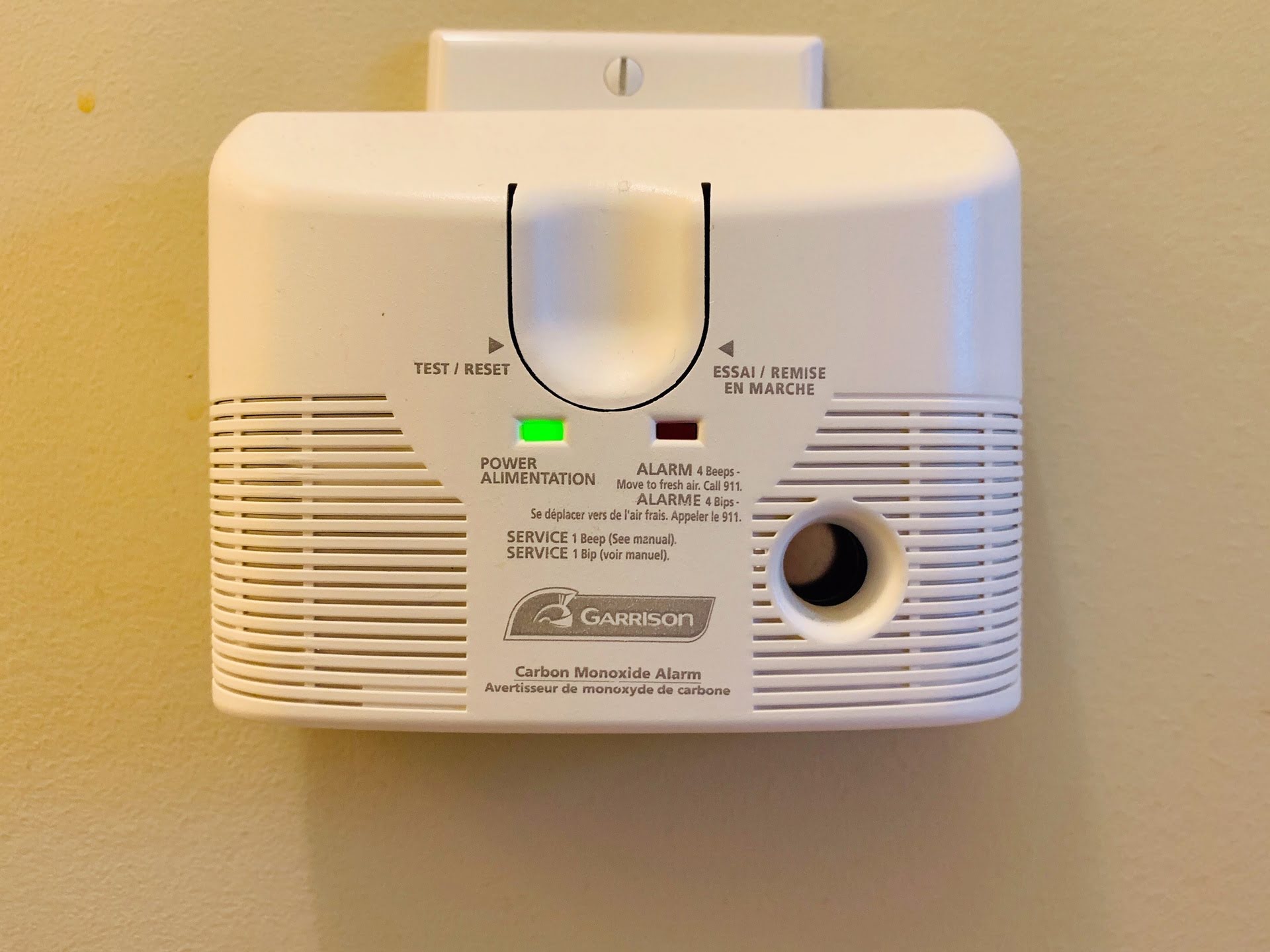
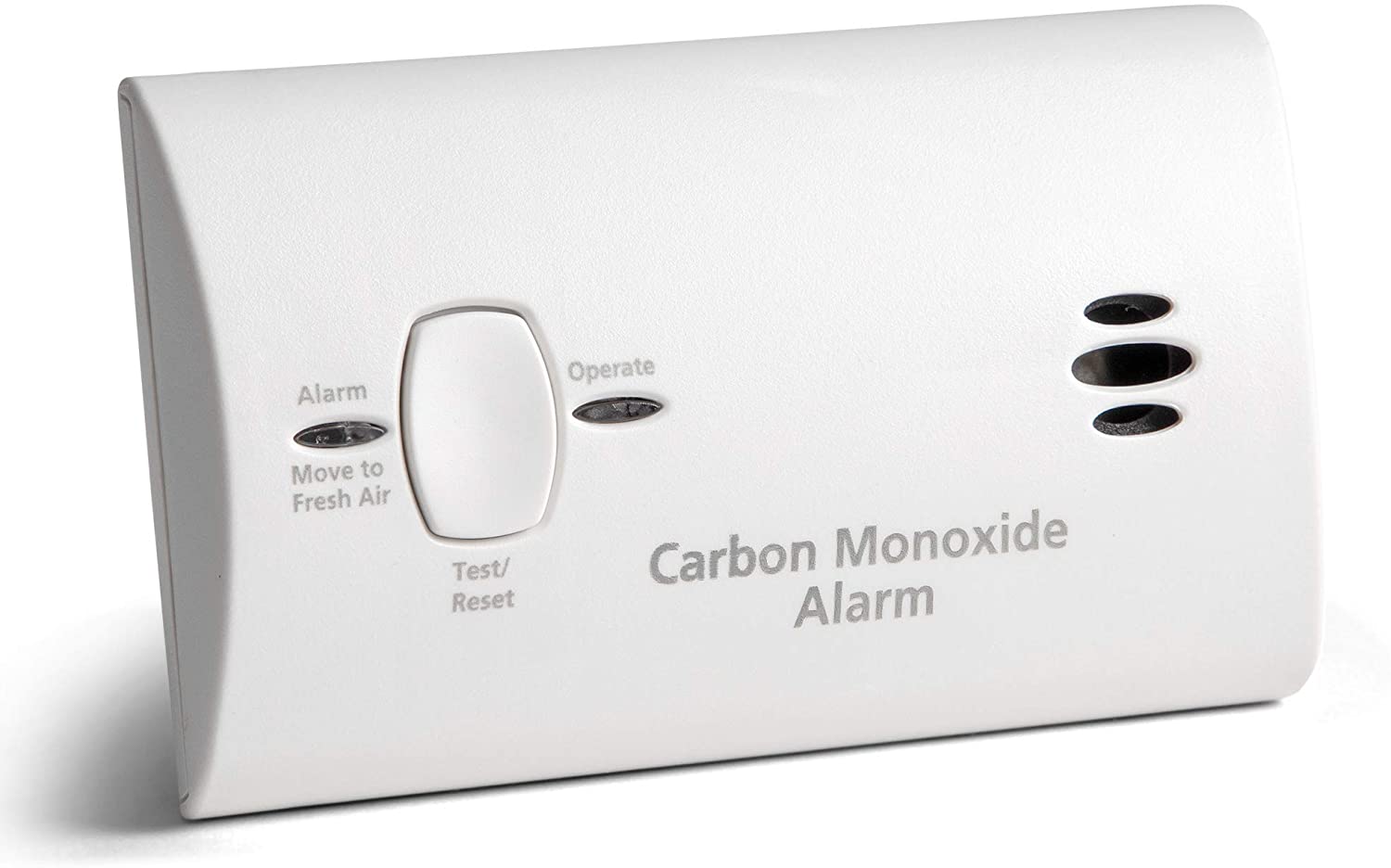
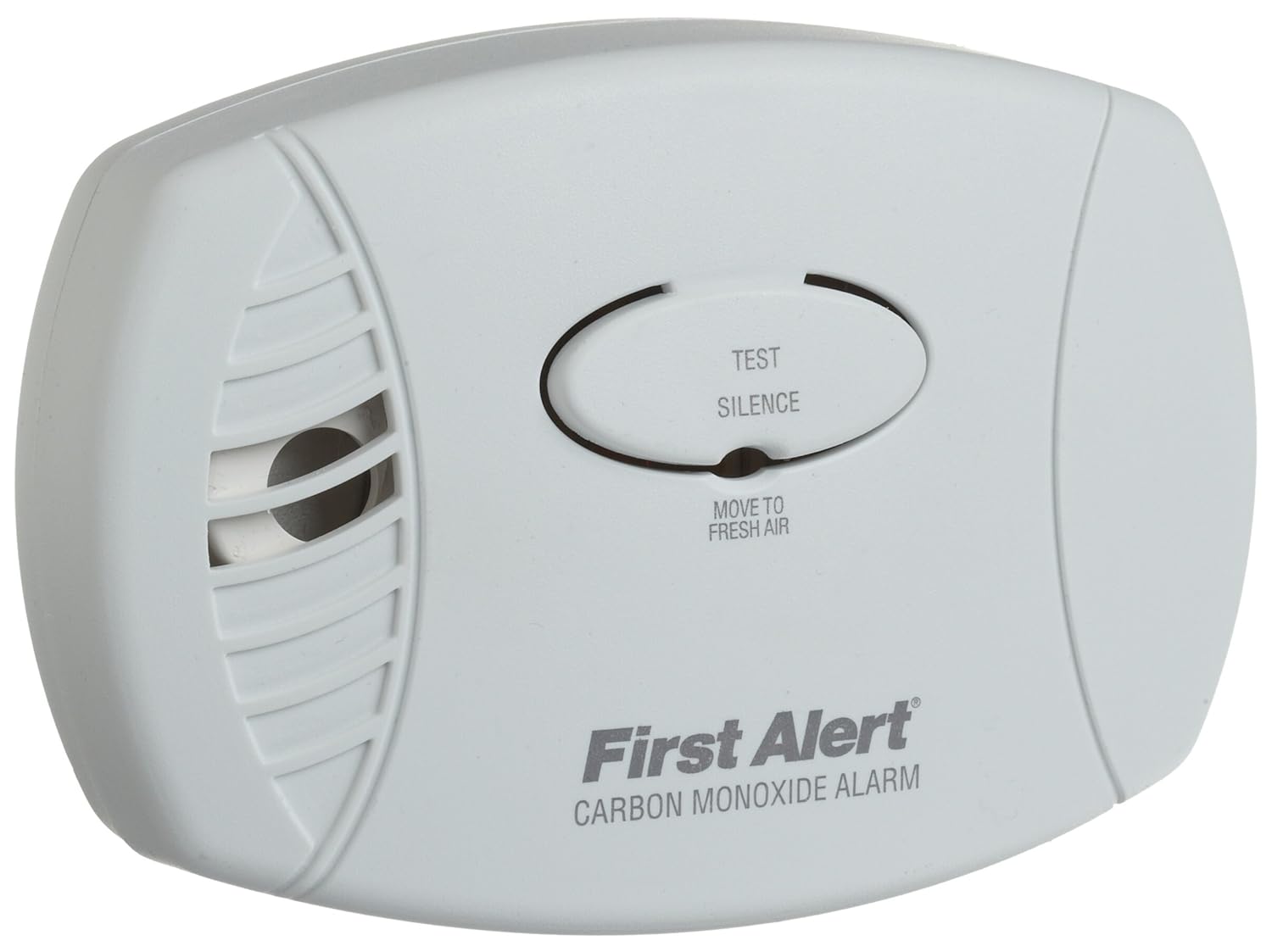
Ready to explore this safety net for yourself? It’s wonderfully simple. First, if you already have a CO detector, check its expiration date – most have a lifespan of 5-7 years. If not, it’s time to get one! Brands like Kidde and First Alert are commonly well-regarded and widely available, often certified by reputable organizations like UL (Underwriters Laboratories). When choosing, look for models with a digital display that shows CO levels in parts per million (ppm), and consider smart detectors like the Google Nest Protect, which not only detects CO but also smoke, and can send alerts to your phone. Simple tips include placing detectors on every level of your home, especially outside sleeping areas, and near attached garages. Don't forget portable options for RVs or camping trips! It's a small investment with an immeasurable return: the peace of mind that comes from knowing you’re protected against the unseen.