What Is The Best Infill Pattern For 3d Printing
Alright, buckle up buttercups, because we're diving headfirst into the wild and wonderful world of 3D printing infill! Imagine your 3D print is like a delicious cake. The outer shell is the frosting, smooth and beautiful. But what about the inside? That's where infill comes in, giving your print strength, support, and preventing it from collapsing like a souffle left in the rain.
So, What's Infill Anyway?
Simply put, infill is the internal structure of your 3D print. It's the pattern of material that fills the inside of your object, balancing strength, weight, and printing time. Think of it as the scaffolding that holds everything together. Without it, you'd have a flimsy, hollow shell that would probably crumble under the slightest pressure. Nobody wants a crumbling print! That's just sad.
The Infill Pattern Extravaganza!
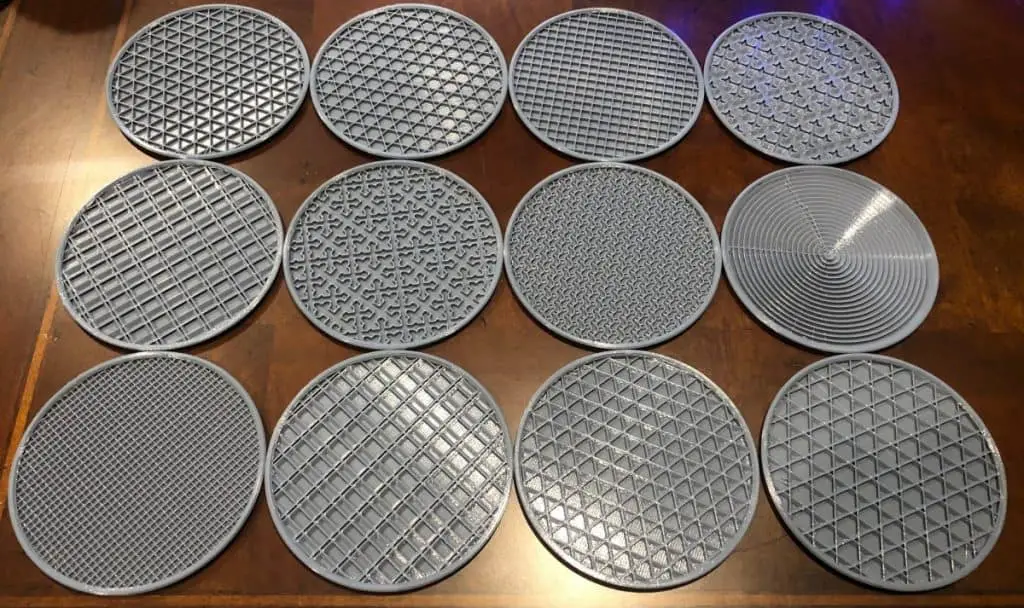
Now, here’s where it gets interesting. There's a whole zoo of infill patterns out there, each with its own quirks and advantages. Let's meet some of the headliners:
Must Read
Grid Infill: The Reliable Workhorse
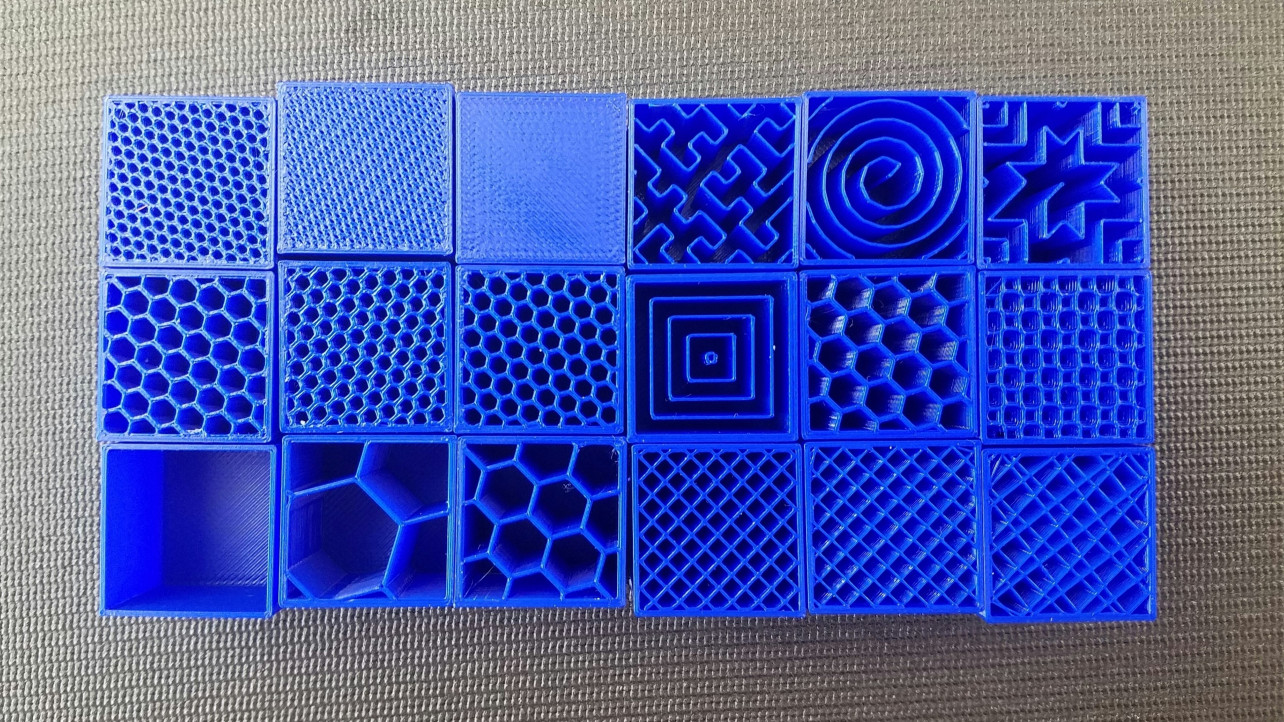
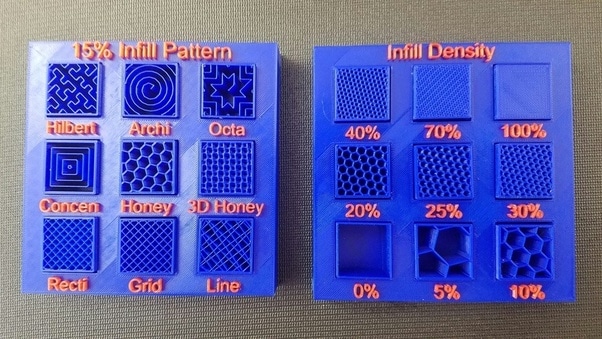
The grid infill is your basic, no-frills, reliable option. It's like the trusty pair of jeans you can always count on. It creates a simple grid pattern inside your print, offering decent strength in all directions. It's a great choice for general-purpose prints that don't require extreme durability. It's not fancy, but it gets the job done!
Rectilinear Infill: Grid's Slightly More Efficient Cousin
Think of rectilinear infill as the grid infill after a life coach. It's basically the same concept, a series of lines, but it cleverly alternates the direction of those lines with each layer. This can sometimes make it a little faster to print and potentially a tiny bit stronger in certain directions.
Triangles Infill: The Strength Superstar
Triangles infill! Now we're talking serious strength. Triangles are inherently strong shapes (thank you, geometry!), so this pattern creates a robust internal structure that can withstand a good amount of stress. If you're printing something that needs to be tough, like a phone case or a replacement part for your perpetually broken toaster, triangles infill is your friend.
Honeycomb Infill: The Nature Lover
Inspired by bees (those clever little engineers!), honeycomb infill creates a pattern of interlocking hexagons. This provides excellent strength-to-weight ratio, making it ideal for prints where you need both durability and lightness. Plus, it looks pretty cool! It's like having a secret honeycomb structure hidden inside your print. Shhh!
Gyroid Infill: The Beautiful Brainiac
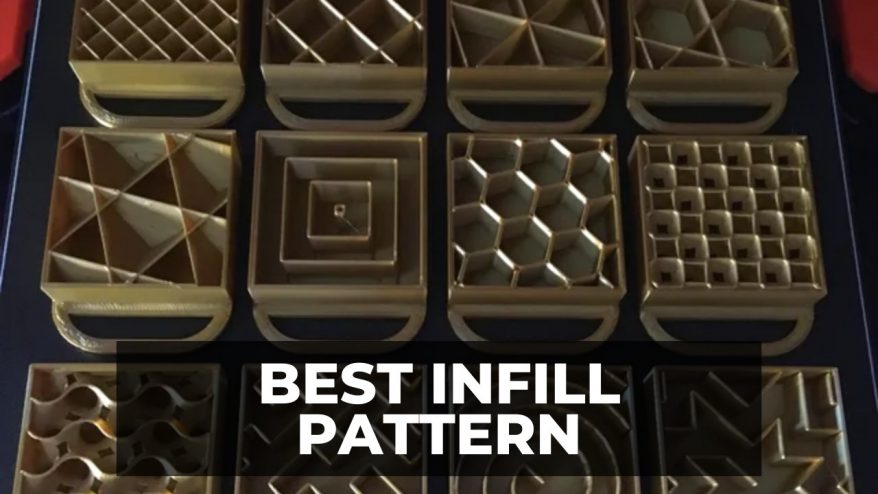
Ah, gyroid infill. This isn't just an infill pattern, it's an art form! It creates a complex, swirling, almost organic-looking structure inside your print. Not only is it visually stunning (if you could see it!), but it also offers excellent strength and isotropic properties (meaning it's strong in all directions). It's the infill pattern for those who appreciate both form and function. Think of it as the Leonardo da Vinci of infill options. It's a bit slower to print, but hey, beauty takes time!
Concentric Infill: The Hollow Hero
Concentric infill is a bit of an oddball. It creates a series of concentric circles (or whatever shape your object is) inside your print. It doesn't offer a lot of strength, but it's incredibly fast to print and uses minimal material. It's perfect for purely decorative items or for prints where you want a hollow interior. Think of it as the minimalist architect of infill, embracing emptiness.
So, What's the BEST Infill? The Big Reveal!
Drumroll, please! The truth is, there's no single "best" infill pattern. The ideal choice depends entirely on your specific project. Ask yourself these questions:
- What am I printing? Is it a delicate vase or a heavy-duty bracket?
- How strong does it need to be? Will it be subjected to stress or just sit on a shelf?
- How much time do I have? Some infill patterns print faster than others.
- How much material do I want to use? Infill density affects the amount of filament consumed.
Once you've answered these questions, you can choose the infill pattern that best suits your needs. Don't be afraid to experiment! That's half the fun of 3D printing!
Remember, the best infill is the one that works best for you and your project!
Now go forth and print with confidence (and maybe a little bit of gyroid flair)! Happy printing, my friends!