
What Is The Best Home Generator On The Market
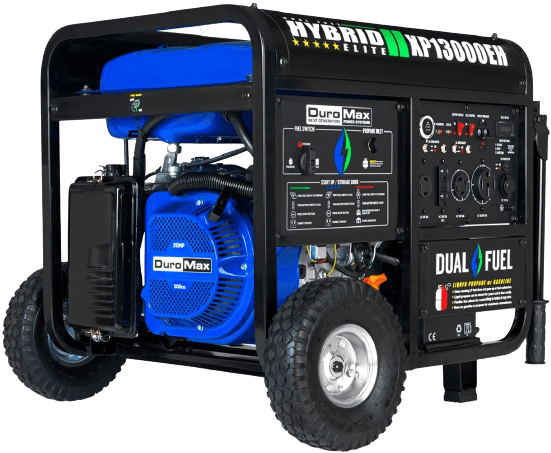
Okay, let's talk generators. You know, those noisy boxes we drag out when the power company decides to take an unscheduled vacation? Finding the "best" home generator feels like finding the best flavor of ice cream. Everyone's got an opinion, and they're all convinced they're right.
So, I'm just going to say it. Buckle up, because this might be controversial. The best home generator? It's the one you actually have.
I know, I know. You were expecting some fancy chart comparing BTU outputs and decibel levels. Maybe a deep dive into the merits of inverter technology versus conventional. Perhaps even a thrilling showdown between propane and gasoline fueled beasts. Sorry (not sorry).
Must Read
The Generator Rabbit Hole
Seriously, the generator research rabbit hole is deep and dark. You start thinking you need a whole-house, surgically installed, automatically switching, liquid-cooled Kohler unit. By the time you're done, you're convinced anything less is basically inviting the apocalypse into your living room.
And listen, if you do need a whole-house, automatically switching, liquid-cooled Kohler unit, more power to you! (Pun intended.) But for the average homeowner, who mostly wants to keep the fridge running and the lights on during a thunderstorm? Simplicity reigns supreme.
Think about it. How many times a year do you really need a generator? Maybe a handful? Are you honestly going to meticulously maintain a top-of-the-line machine, religiously changing the oil and spark plugs, when it sits idle for 350 days of the year? Be honest.
My "Unpopular" Opinion
This is why I stand by my "unpopular" opinion. The best generator is the one that: 1) you own, 2) starts when you need it, and 3) doesn't require a PhD in electrical engineering to operate.
That old, slightly grumpy, pull-start generator gathering dust in the corner of your garage? If it roars to life when the power goes out, it's a champion. Even if it sounds like a squadron of lawnmowers staging a revolt. Even if it requires three strong pulls and a muttered curse to get going.
Because here's the truth: during a power outage, perfection is the enemy of good. You don't need pristine, sine-wave electricity to keep the milk from spoiling. You just need… electricity.

Now, am I advocating for unsafe or ridiculously underpowered generators? Absolutely not. Please, for the love of all things electric, make sure your generator is appropriately sized for your needs and used safely (read the manual!).
Beyond the Hype
But don't get caught up in the hype. Don't let the fear of a theoretical blackout drive you to spend thousands of dollars on a machine you'll barely use. Consider your actual needs, your budget, and your willingness to perform regular maintenance.
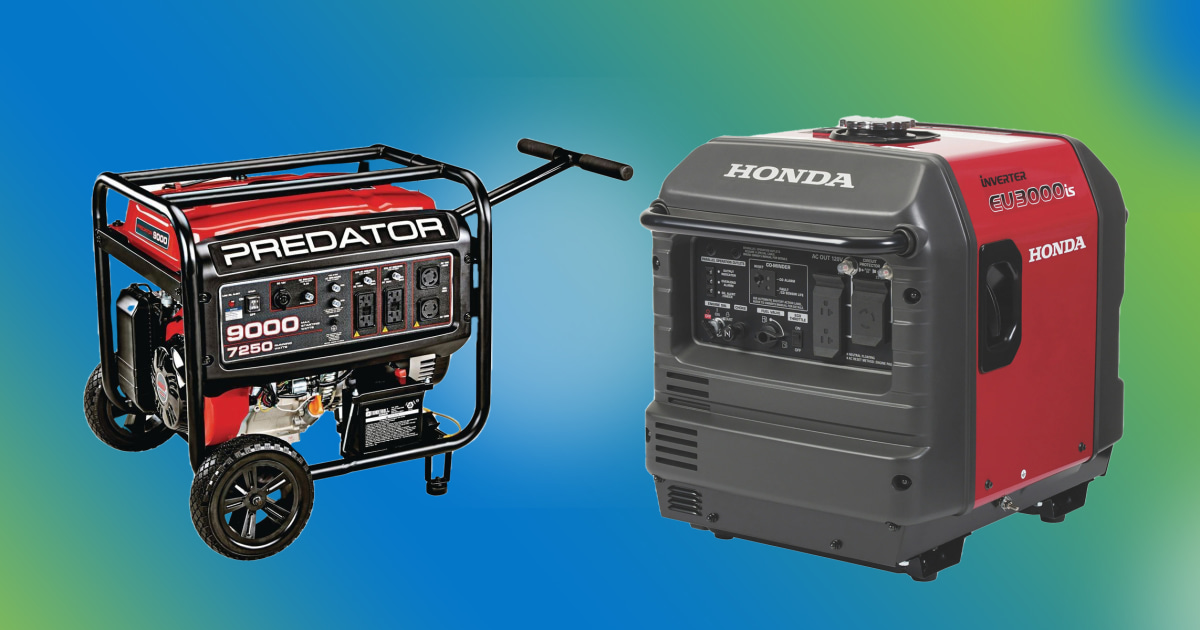
Maybe a simple, portable generator from Honda or Champion is all you need. Maybe that hand-me-down generator from your uncle is perfectly adequate. (Just, you know, check the oil.)
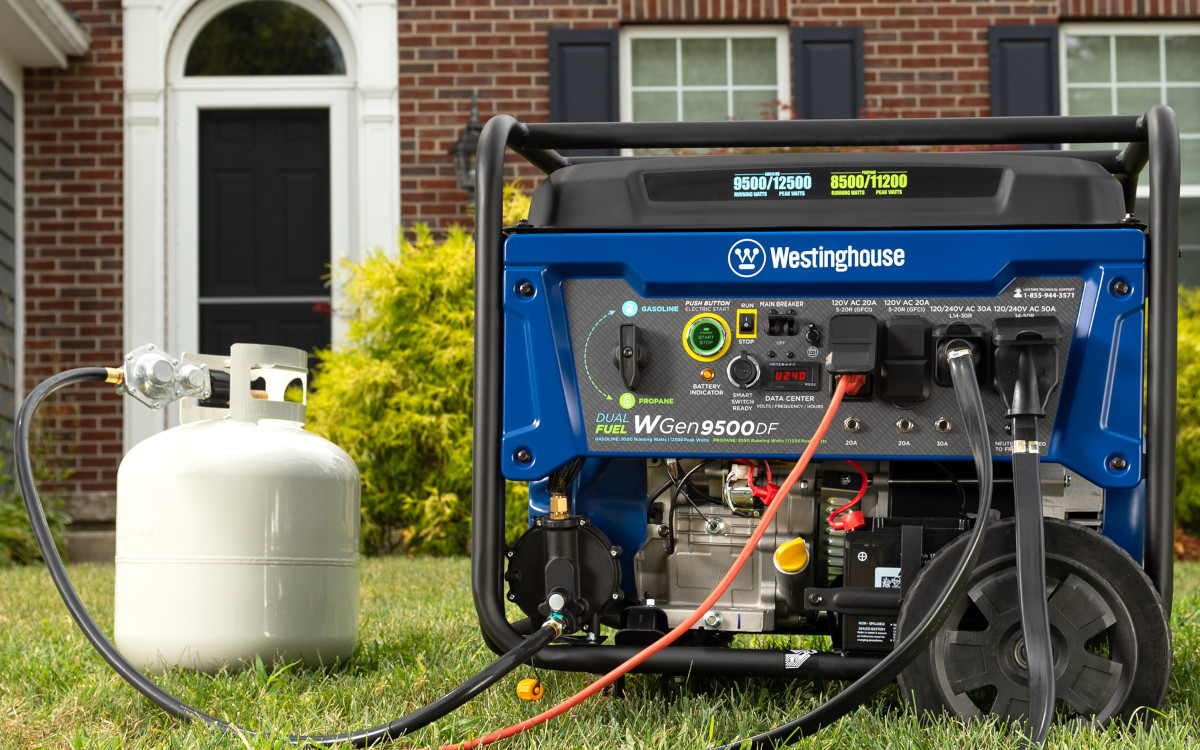
Instead of obsessing over specs and features, focus on making sure your generator is reliable and ready to go. Keep the fuel fresh, store it in a safe place, and know how to operate it before the lights go out. A little preparation goes a long way.
So, next time you're tempted to upgrade to the latest and greatest generator, ask yourself: Do I need this? Or am I just being seduced by shiny new technology?
Because sometimes, the best solution is the simplest one. The one that's already sitting in your garage, waiting for its moment to shine (or, you know, to sputter and cough back to life). And if that generator gets the job done? It's the best one on the market. For you, at least.
:max_bytes(150000):strip_icc()/165560961-8dda6af87d2f4696a5f1f841da2fccc1.jpg)
Now, if you'll excuse me, I need to go check the oil in my own slightly grumpy, but undeniably reliable, generator.
Disclaimer: This is intended as lighthearted entertainment. Always prioritize safety and consult with qualified professionals before making any decisions about generators.