What Is The Average Thermostat Setting For Winter
Ever wondered what temperature your neighbors are setting their thermostats to in the winter? It's a surprisingly fascinating question that touches on comfort, energy savings, and even environmental responsibility. Figuring out the average thermostat setting for winter isn't just about being nosy; it's about finding a balance that works for you, your wallet, and the planet.
The purpose of a thermostat is simple: to maintain a desired temperature in your home. It acts as a regulator, telling your heating system when to kick on and off to keep things cozy. Understanding the average setting and the benefits of adjusting yours can lead to significant cost savings and a smaller carbon footprint. We're talking potentially hundreds of dollars over the course of a winter!
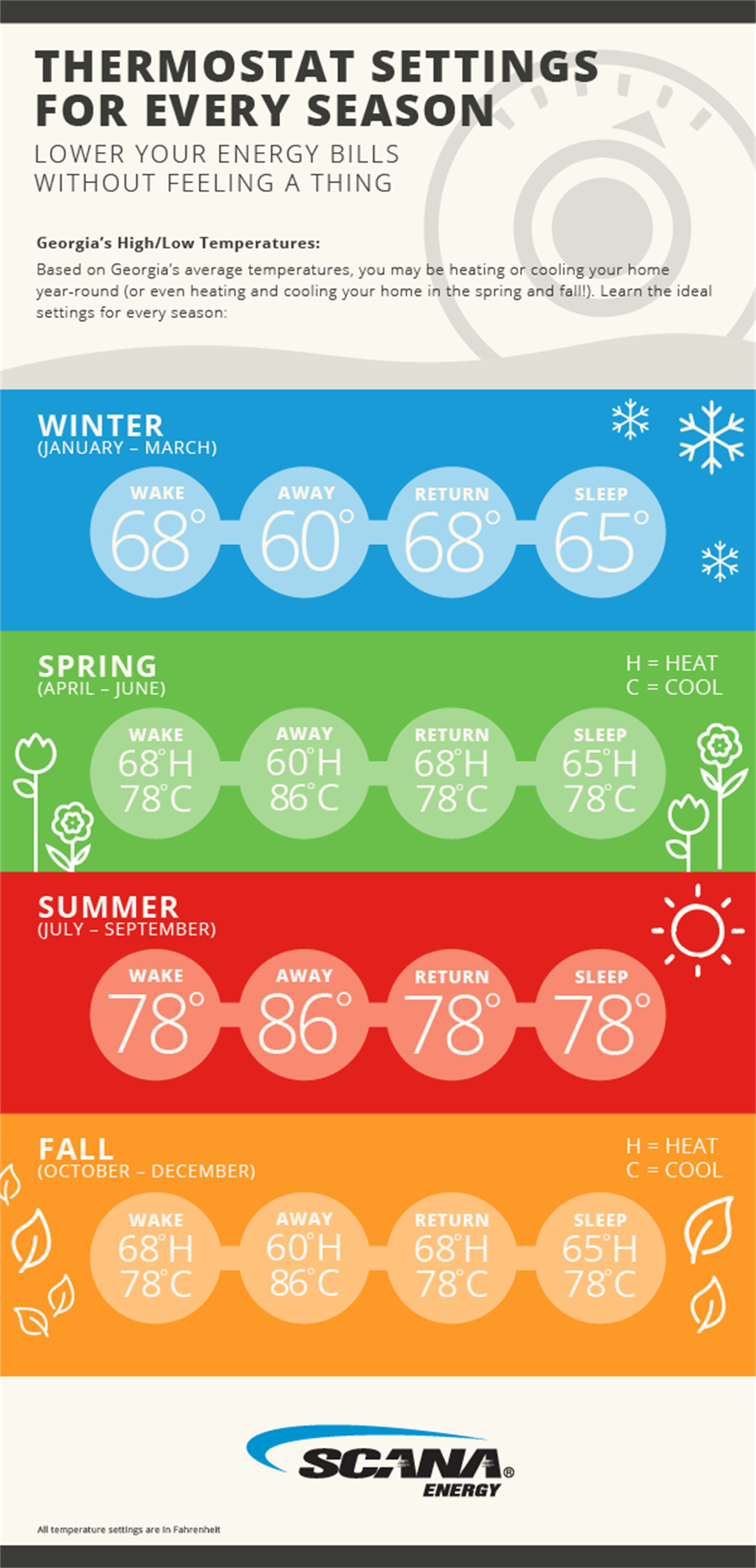
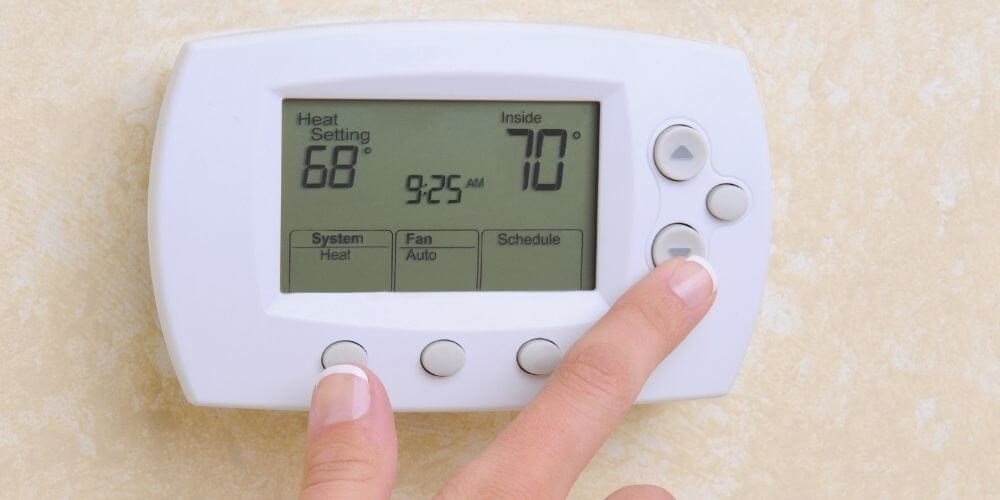
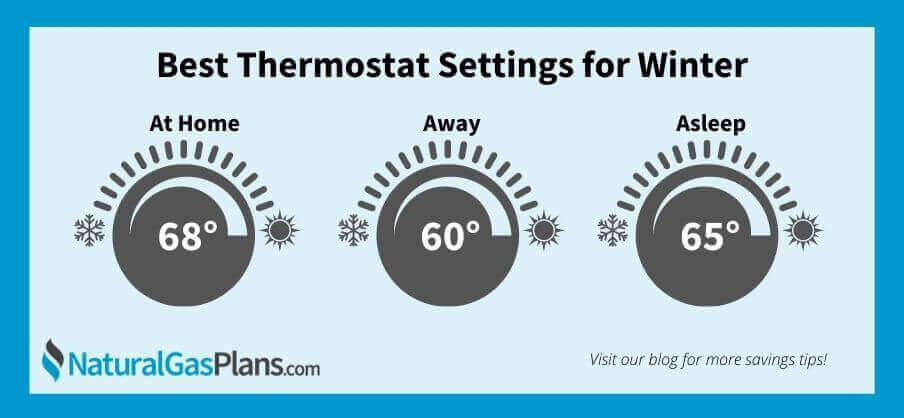
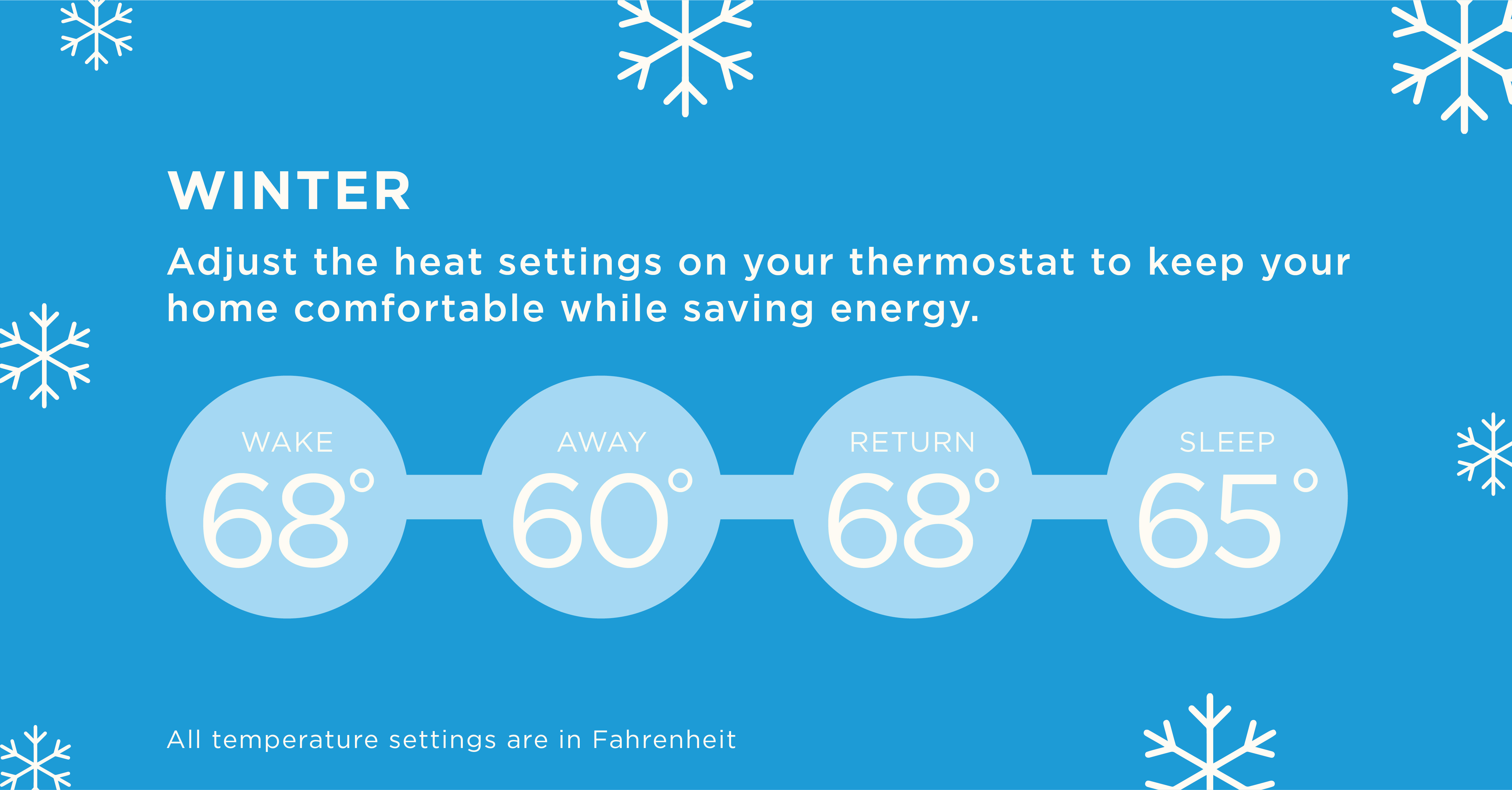
So, what is the average? While it varies based on location, lifestyle, and personal preference, a commonly recommended and widely adopted temperature is around 68 degrees Fahrenheit (20 degrees Celsius) when you're home and awake. When you're asleep or away, lowering the temperature to around 62 degrees Fahrenheit (17 degrees Celsius) is a smart move. This might seem chilly at first, but your body adjusts, and the savings add up quickly. The Department of Energy estimates you can save as much as 1% on your heating bill for each degree you lower the thermostat for eight hours a day.
Must Read
Think about how this plays out in daily life. Imagine a classroom: a teacher setting the thermostat to a consistent 68 degrees ensures a comfortable learning environment for students. At home, setting a programmable thermostat to automatically lower the temperature while everyone is at work or school is a practical application of this principle. Even hospitals use sophisticated thermostat systems to maintain specific temperatures in different areas, ensuring patient comfort and safety.
Educationally, understanding thermostat settings can be integrated into lessons about energy conservation, personal finance, and environmental science. Students can learn to calculate potential energy savings based on different temperature adjustments, turning abstract concepts into tangible real-world applications.
How can you explore this further? Here are a few simple tips:
- Experiment with different settings: Try lowering your thermostat by a degree or two and see how it feels. You might be surprised at how little difference it makes.
- Use a programmable thermostat: Set it to automatically adjust the temperature based on your schedule.
- Invest in a smart thermostat: These devices learn your habits and adjust the temperature accordingly, maximizing energy savings and comfort. Many can be controlled remotely via your smartphone.
- Conduct a home energy audit: Identify areas where you might be losing heat, such as drafts around windows and doors.
- Talk to your neighbors: See what temperatures they're using and compare notes. You might get some valuable insights.
Ultimately, the ideal thermostat setting is a personal decision. But by understanding the average, considering the benefits of adjusting yours, and experimenting with different approaches, you can create a more comfortable, energy-efficient, and cost-effective home this winter.