What Is The Average Temperature In America
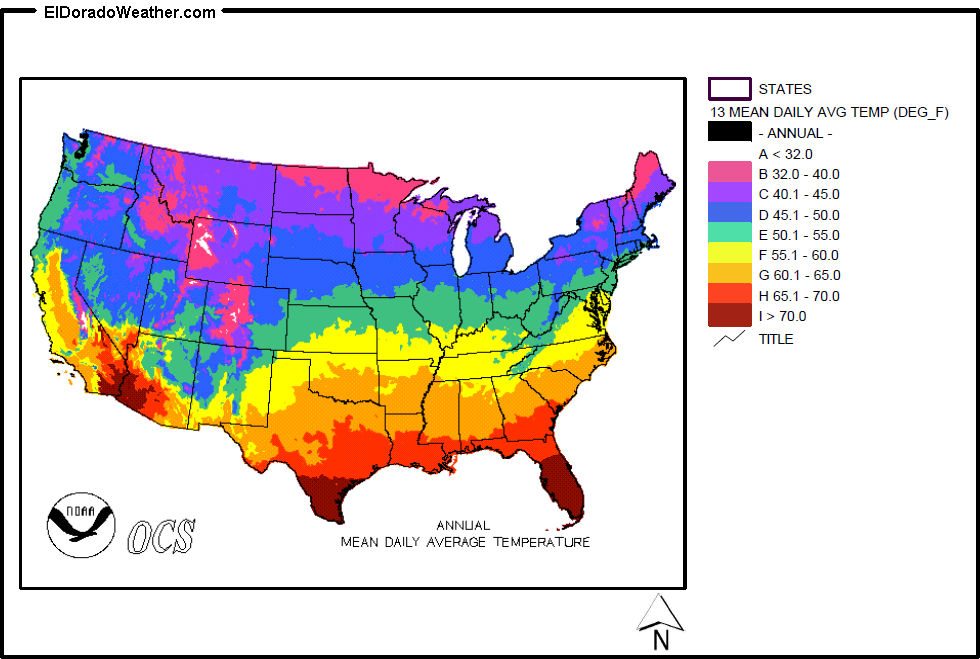
Have you ever stopped to think about the grand scheme of American weather? We talk about heatwaves, snowstorms, and beautiful autumn days, but what if we zoomed out even further? What if we tried to pin down something like, say, What is the average temperature in America? It might sound simple, but it opens up a fascinating rabbit hole into how our vast country experiences climate. It’s not just a dry statistic; it’s a peek into the very pulse of our nation’s environment.
So, what's the big deal about knowing an "average" temperature? Well, for starters, it provides a crucial baseline understanding of our climate. While your local forecast tells you what to wear tomorrow, the national average paints a much bigger picture, revealing long-term patterns and shifts that are essential for everything from agricultural planning to urban development. It's not about predicting next week's rain; it's about understanding the very essence of America’s climate identity. This data is a vital tool for environmental scientists tracking climate change, helping us grasp how our world is evolving. It gives us context, transforming individual weather events into pieces of a larger puzzle.
This seemingly abstract number finds its way into our lives and learning in more ways than you might think. In education, understanding the national average temperature is fundamental in geography lessons, helping students grasp how latitude, altitude, and proximity to oceans influence regional climates. Environmental science classes use it as a foundational metric for discussing climate change impacts and sustainable practices. In daily life, while you won't check it before work, it subconsciously informs bigger decisions. Planning a cross-country road trip? Knowing the general thermal character of the nation helps you pack smarter. Farmers often rely on average temperature data over seasons to make crucial planting and harvesting decisions. Even discussions about energy consumption—how much we collectively heat or cool our homes—are inherently tied to these broad climatic trends. It helps us contextualize local events, understanding if a particular summer is "hotter than average" for the entire country, not just your backyard.
Must Read
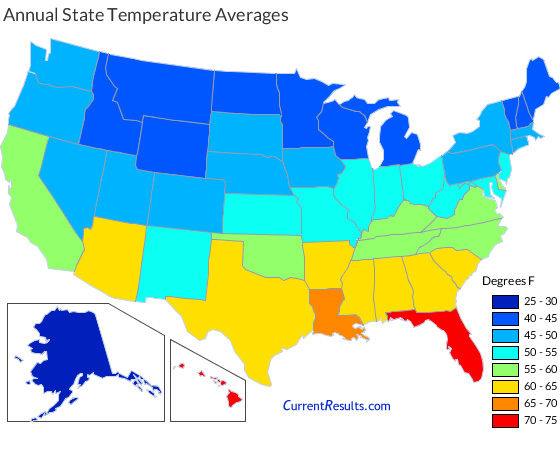
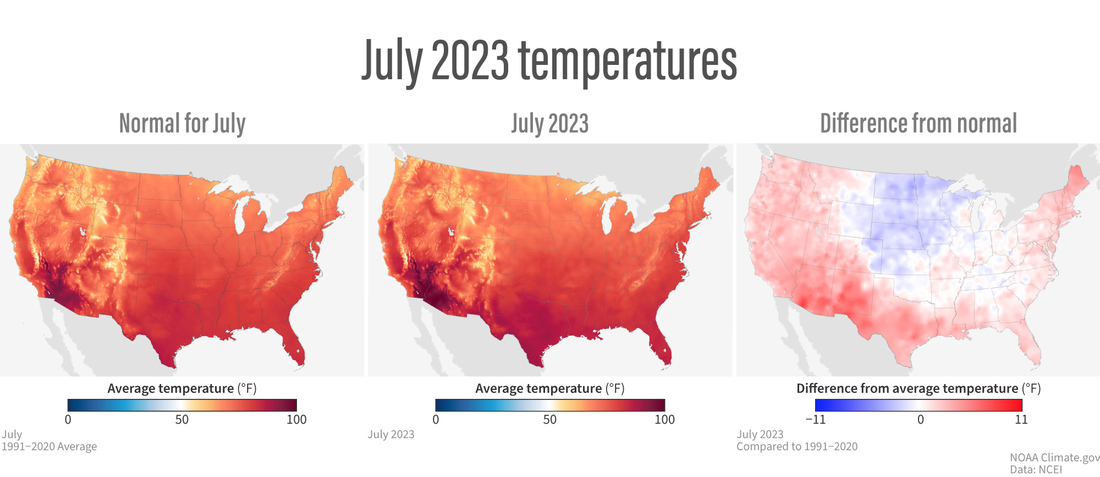
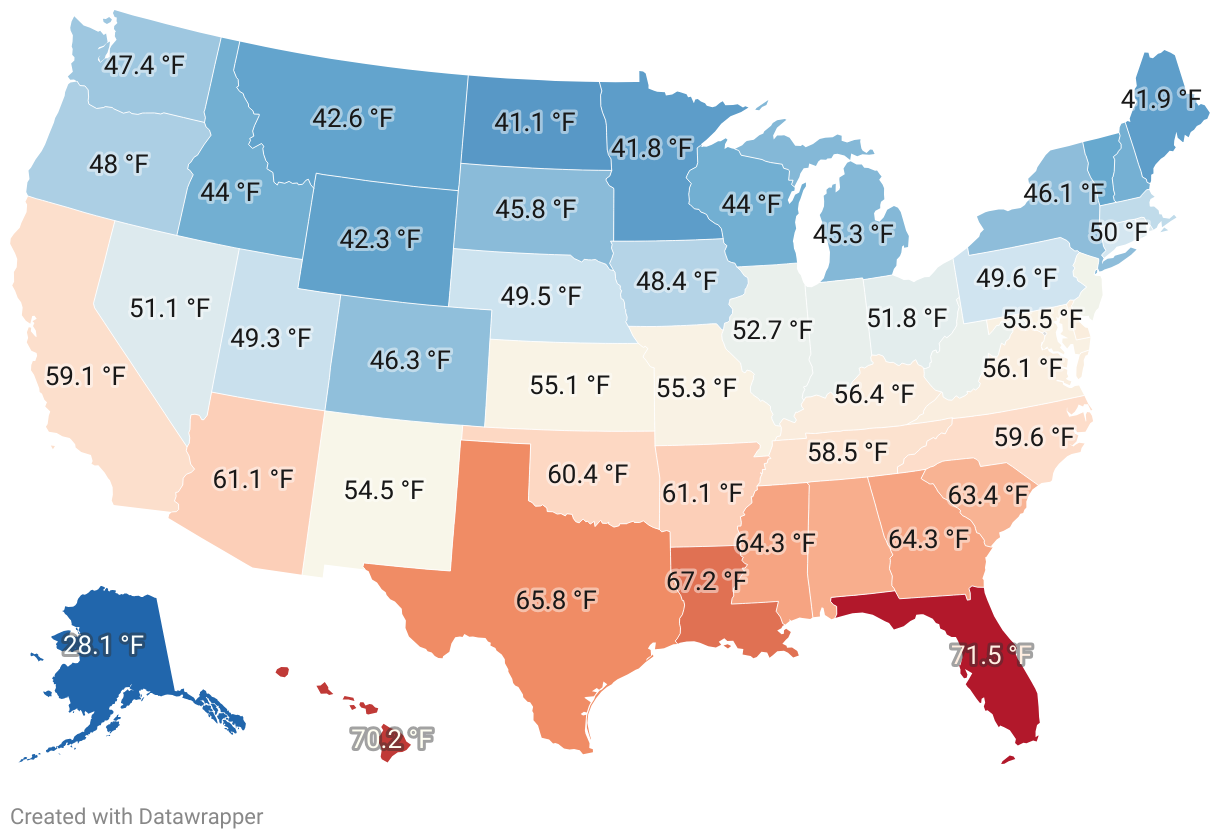
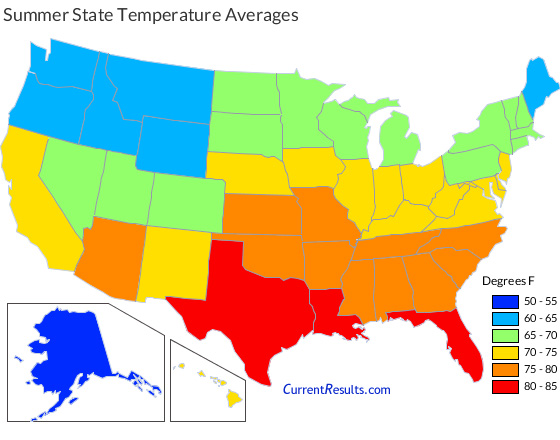
Feeling curious enough to explore it yourself? It’s surprisingly easy and rewarding! A simple online search for "average annual temperature USA" will quickly lead you to reliable sources like NOAA (National Oceanic and Atmospheric Administration) or other meteorological organizations. Once you find that number, don't stop there! Try comparing it to the average temperature of your specific state or region. Is your area generally warmer or cooler than the national average? You might also find fascinating graphs showing how this average has changed over the decades, offering a visual journey through climate history. Think about the factors that influence it: how do the vast deserts of the Southwest, the frigid plains of the North, and the temperate coasts balance out? Just pondering these questions helps connect global climate science to your own lived experience. It’s a wonderful, simple way to become a little more climate-savvy!