
What Is The Average Price Per Kwh For Electricity
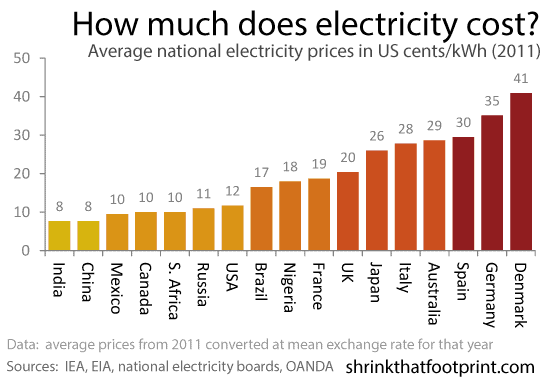
Okay, let's talk electricity. I know, I know, sounds about as exciting as watching paint dry. But bear with me! We're going to dive into the murky, kilowatt-y depths of the average price per kWh (kilowatt-hour) and, surprisingly, it might actually be...interesting!
Think of it this way: electricity is the invisible juice that powers our lives. It's what lets us binge-watch cat videos at 2 AM, keeps our refrigerators humming, and allows us to argue about politics on social media. And all that convenience comes at a price. That price, measured in cents per kWh, is what we're after.
The Elusive Average: A National Treasure Hunt
Finding the "average" price of electricity is like trying to herd cats. It's a constantly moving target influenced by a whole host of factors. We're talking about everything from the weather (more AC in summer = higher demand = potentially higher prices) to the type of fuel used to generate the power (coal, natural gas, solar, wind – each with its own cost considerations) to the infrastructure that delivers it to your home. It's a real hodgepodge!
Must Read
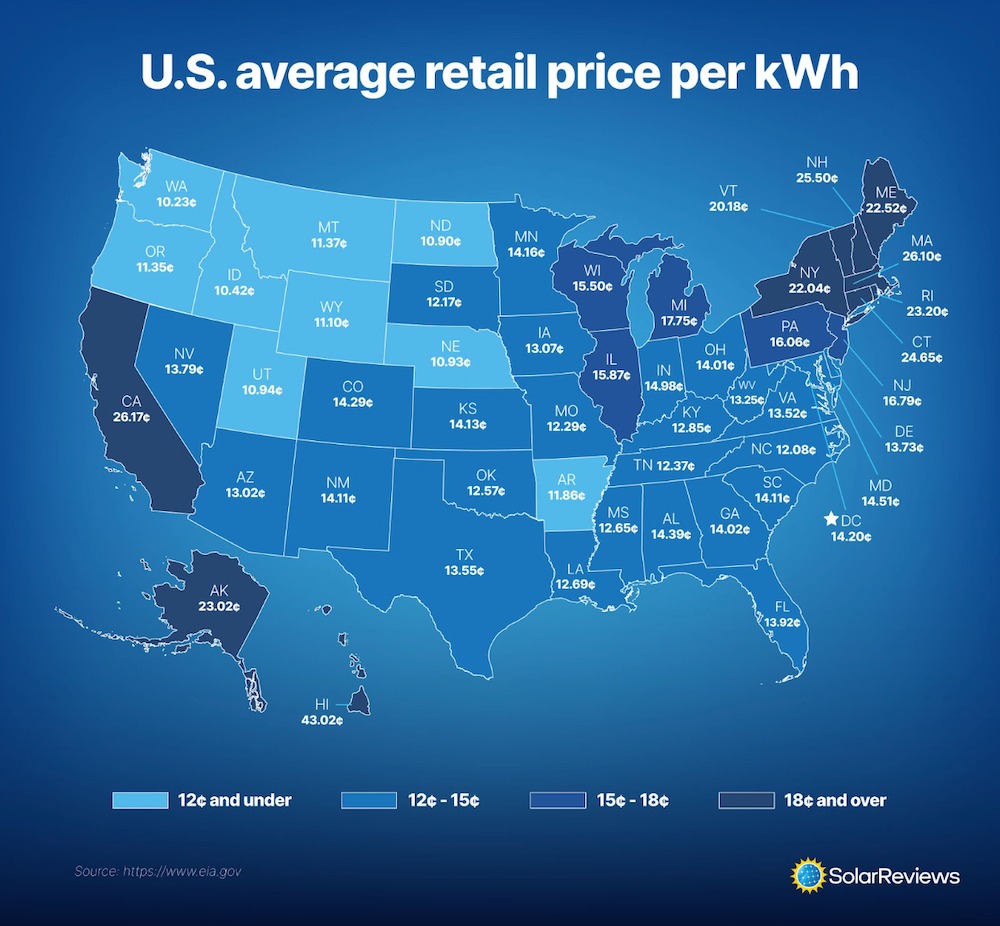
So, what's a reasonable estimate? As of late 2024, the national average price for residential electricity in the United States hovers around 17 cents per kWh. But that's just a ballpark figure. To get a clearer picture, think of the country as a patchwork quilt, each square representing a different state with its own energy landscape.
State Secrets: Where Does Your Power Dollar Go?
Some states, like Hawaii (bless their sunny, expensive hearts), pay a premium for electricity. Because they are an island. Others, like Louisiana (where natural gas is abundant), tend to have lower rates. Even within a state, your price can vary depending on your utility provider and the type of plan you're on.
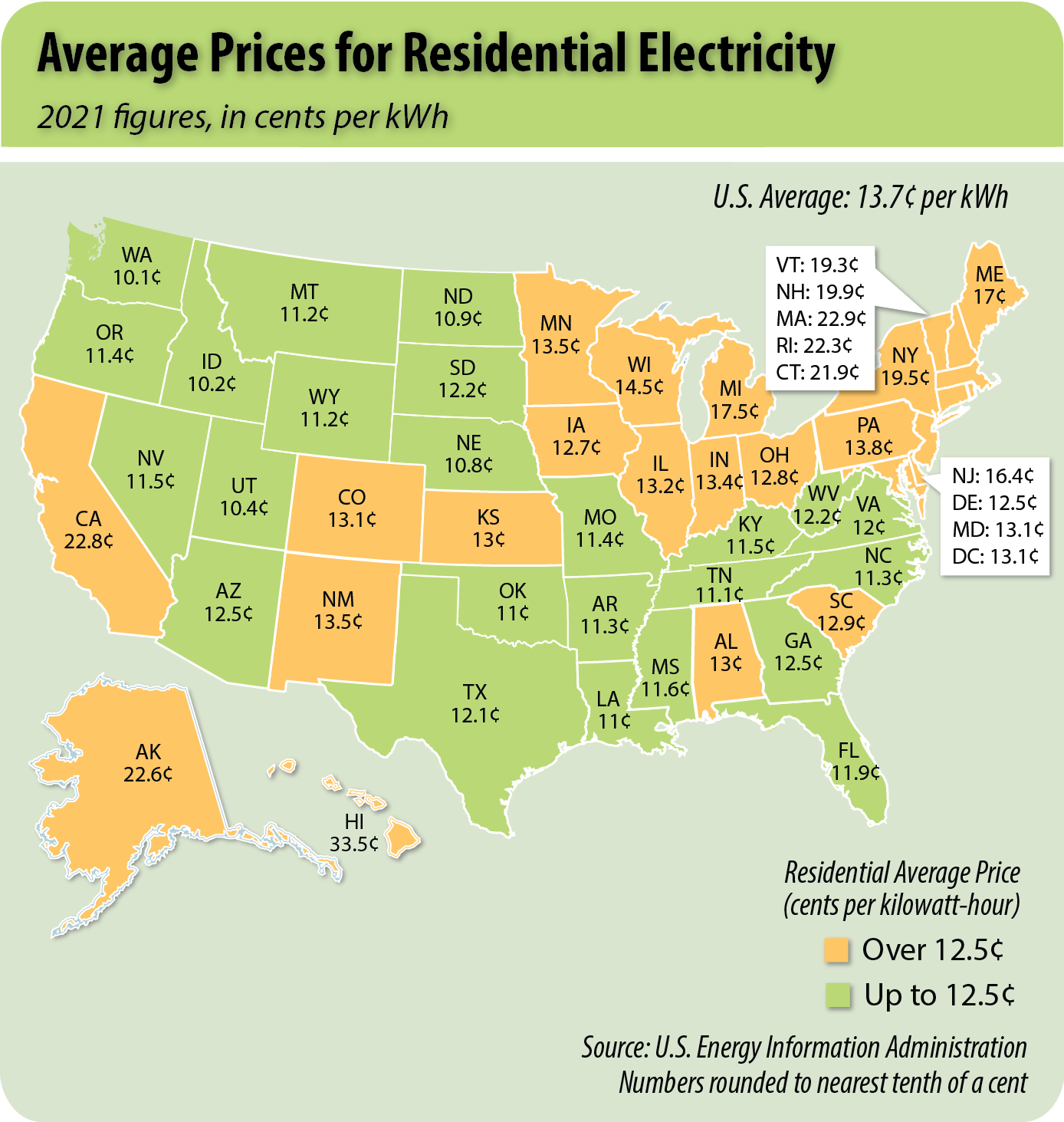
It's like a giant, electrifying game of geography! Understanding where you live and who provides your power is the first step to deciphering your electricity bill.
Beyond the Numbers: The Human Cost of Power
While numbers are important, it's easy to forget the real-world implications of electricity prices. For some families, a small increase in rates can mean tough choices between paying the electric bill and buying groceries. It’s a very real struggle.
That's why energy efficiency is so important. Simple things like switching to LED light bulbs, unplugging electronics when you're not using them, and properly insulating your home can make a big difference in your energy consumption and, ultimately, your wallet.
Empowering Yourself: Become an Energy Ninja
So, how can you become an energy-saving superhero? Start by checking your electricity bill. Most bills will show your average usage and the price you're paying per kWh. Compare that to the national and state averages. Are you paying more or less? This simple comparison can be a real eye-opener.
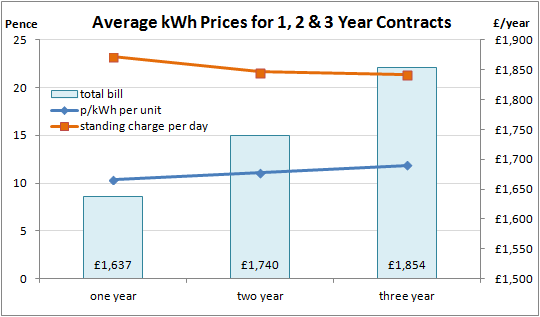
Next, explore different energy plans offered by your utility. Some utilities offer time-of-use rates, where electricity is cheaper during off-peak hours. If you can shift your energy usage to those times (like doing laundry or running the dishwasher at night), you could save money.
"Knowledge is power," as they say, and in this case, it's literally true! The more you understand about your energy consumption and the price you're paying, the better equipped you are to make informed decisions and save money.
A Final Thought: Power to the People (and Their Wallets!)
The average price of electricity might seem like a dry and technical topic, but it's actually a reflection of our society's energy needs, infrastructure, and policies. By understanding the factors that influence electricity prices, you can take control of your energy consumption and become a more informed and responsible consumer. And who knows, you might even find a little bit of fun along the way!
So, the next time you flip a light switch or charge your phone, take a moment to appreciate the invisible energy that powers your life. And maybe, just maybe, give your utility bill a second look. You might be surprised at what you find.
