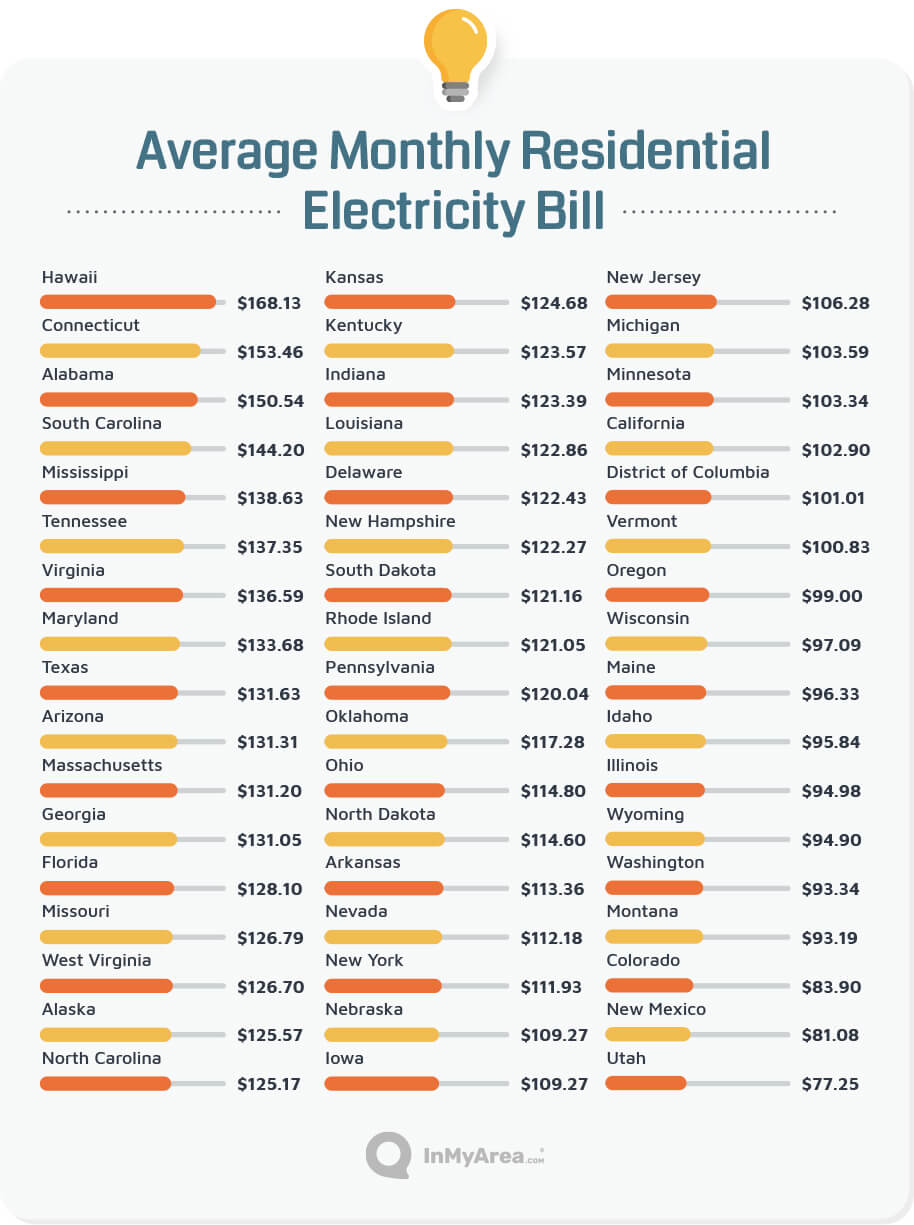
What Is The Average Monthly Electricity Bill

Ever wondered where your money really goes each month? Sure, you budget for rent and groceries, but that sneaky electricity bill can often feel like a mystery. Figuring out the average monthly electricity bill isn't just about satisfying curiosity; it's about taking control of your finances and making your home more energy-efficient! It's a surprisingly fun topic because it's empowering to understand where your energy (and money) is being used.
Why should you care about the average electricity bill? Well, it depends on who you are!
For beginners just starting out on their own, understanding the average electricity cost is crucial for budgeting. It helps you anticipate expenses and avoid bill shock. Imagine setting up your first apartment and suddenly being hit with a massive electricity bill – yikes! Knowing the average gives you a benchmark.
Must Read
For families, tracking energy usage is essential for long-term savings. Perhaps you're planning a vacation and want to cut costs, or maybe you're saving for a down payment on a house. Identifying areas where you can reduce energy consumption, like switching to LED bulbs or unplugging unused electronics, can significantly impact your family's budget.

And for hobbyists, especially those with energy-intensive passions like home brewing, aquariums, or gaming PCs, understanding electricity consumption is vital for optimizing their setups and preventing overloads. Think of the aquarium enthusiast with multiple heaters and filters; knowing the energy draw of each component helps them make informed decisions about energy-efficient equipment.
The average monthly electricity bill in the US can vary wildly, typically ranging from $100 to $250. This depends heavily on several factors:
.png)
- Location: States with colder winters or hotter summers tend to have higher bills due to heating and cooling needs.
- Home Size: Larger homes naturally require more energy to heat, cool, and light.
- Appliance Efficiency: Older, inefficient appliances consume far more energy than newer, Energy Star certified models.
- Lifestyle: How often you run the AC, do laundry, or leave lights on all contribute.
Getting Started: Simple Tips!
- Check your bill: Look at your past bills to see your average consumption over the last few months.
- Use an online calculator: Many websites offer electricity bill calculators where you can input your location, home size, and appliance usage for an estimate.
- Consider an energy audit: Many utility companies offer free or low-cost energy audits to identify areas for improvement in your home.
- Track your usage: Use a smart meter or energy monitoring device to track your real-time energy consumption.
- Implement simple changes: Switch to LED bulbs, unplug unused electronics, and adjust your thermostat. Even small changes can add up!
Understanding your average electricity bill isn't just about saving money; it's about being a more informed and responsible consumer. Once you start tracking your energy usage and implementing simple changes, you'll be surprised at how much you can save – and how much more control you have over your finances. It's a surprisingly rewarding journey!
![Average Electric Bill per Month [2025]: National + by State](https://ipropertymanagement.com/wp-content/uploads/average-monthly-electric-bill-by-state.png)