What Is The Average American Carbon Footprint

Okay, folks, let's talk about your carbon footprint! Don't run away screaming! It's not as scary as it sounds. Think of it like your environmental shadow – a way to measure how much greenhouse gas your daily life releases into the atmosphere. And guess what? We all have one!
So, What's the Average American's Footprint?
Alright, buckle up, because the numbers might give you a slight case of the jitters. The average American's carbon footprint is around 16 tons of carbon dioxide equivalent per year. Sixteen tons! Imagine 16 elephants showing up at your doorstep, all made of pure carbon dioxide. That's... a lot of elephant-CO2.
But before you start feeling guilty and decide to live in a cave (tempting, I know), let's break this down. What exactly contributes to this behemoth of a footprint?
Must Read
The Usual Suspects: Where Does All That Carbon Come From?
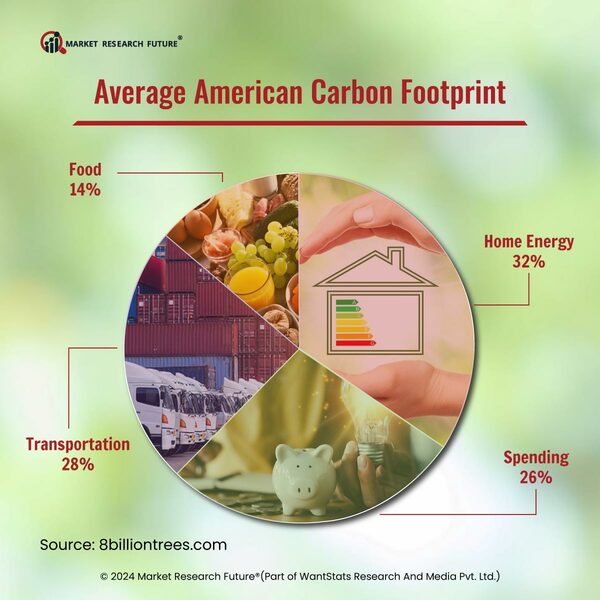
Think of your footprint as a delicious (but environmentally impactful) pizza. What toppings are we piling on?
- Home Energy: This is a big one! Heating, cooling, lighting, and running all those gadgets in your house. Think of your refrigerator as a tiny, constantly humming carbon-emitting friend. A slightly clingy friend, to be honest.
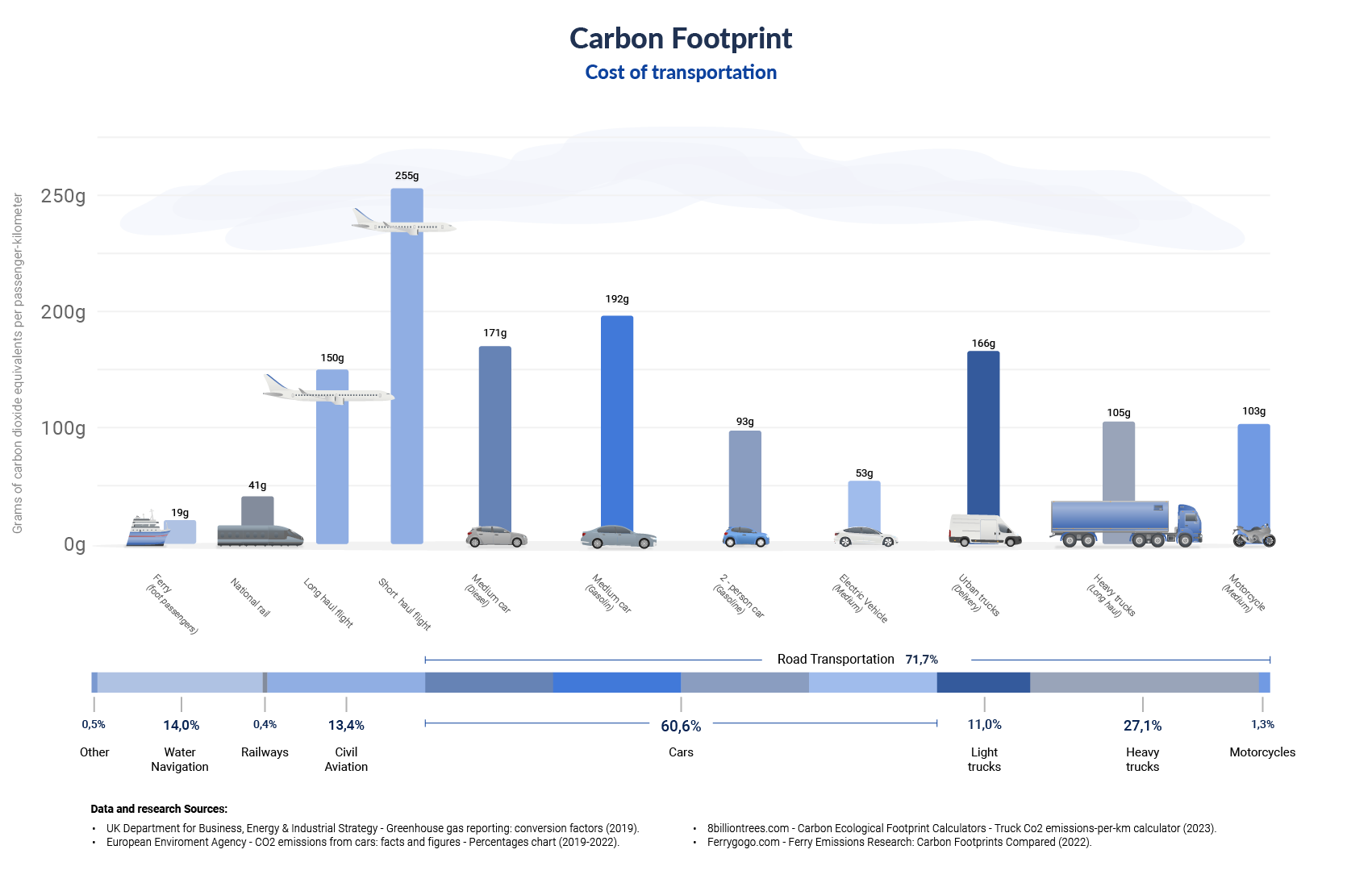
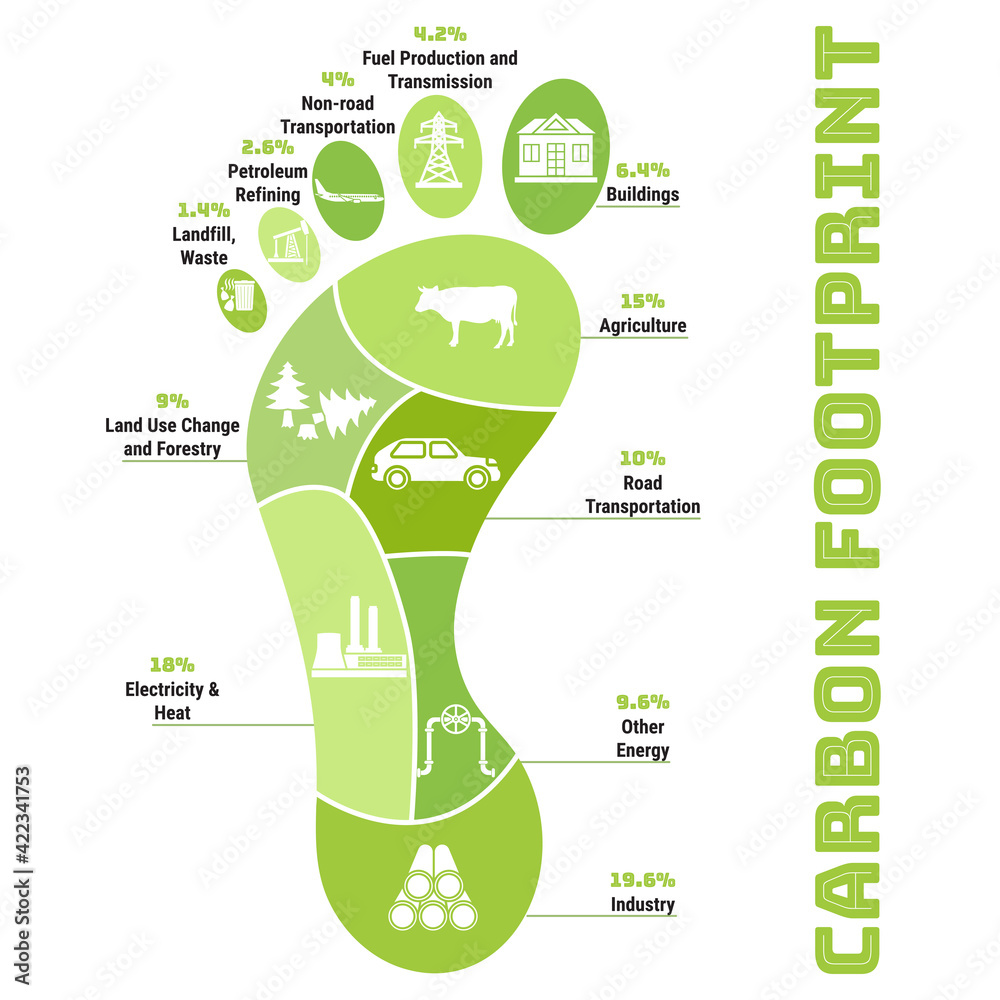
- Transportation: Cars, trucks, airplanes... anything that burns fuel to get you from point A to point B. That cross-country road trip to see Aunt Mildred? Fun, but it definitely adds to the footprint pizza.
- Food: What you eat has a surprisingly large impact! Producing meat, especially beef, releases a significant amount of greenhouse gases. Even growing fruits and vegetables requires energy for farming, processing, and transportation. That avocado toast you love? Yeah, even that contributes (though way less than a juicy steak!).
- Stuff We Buy: Everything you purchase – clothes, electronics, furniture – has a carbon footprint associated with its production, shipping, and eventual disposal. Buying that super-cool inflatable unicorn for the pool? Fun now, but remember where it ends up (probably in a landfill, shedding tiny plastic tears).
It’s like this: every time you flip a light switch, drive to the grocery store, or order something online, you're adding a little slice to your carbon footprint pizza. And those slices add up fast!
Is 16 Tons Really That Bad?
Okay, so 16 tons is a pretty hefty footprint. In fact, it’s one of the highest in the world! The global average is closer to 4 tons. Yes, you read that right. We Americans, bless our energy-consuming hearts, are leaving a significantly larger environmental shadow than most other folks on the planet.
Think of it this way: if the Earth were a giant bathtub, and everyone's carbon footprint was the water flowing into it, the average American is currently using a fire hose while most of the world is using a garden hose. We need to find a way to dial it back a bit!

Don't Despair! You Can Shrink Your Footprint!
The good news is that reducing your carbon footprint isn't about living like a hermit and only eating grass. It's about making conscious choices and adopting sustainable habits. Think of it as a fun challenge! A game where the prize is a healthier planet!
Here are a few easy (and surprisingly enjoyable) ways to shrink that footprint:
- Become a Light Bulb Ninja: Switch to energy-efficient LED bulbs. It's like giving your home a tiny, energy-saving makeover.
- Drive Less (or Smarter): Walk, bike, carpool, or use public transportation whenever possible. And when you do drive, make sure your tires are properly inflated and avoid aggressive driving (because nobody likes a road rage carbon-emitter).
- Eat Your Veggies: Reduce your meat consumption and embrace plant-based meals. Think of it as an adventure in culinary exploration!
- Buy Less Stuff: Before you click "add to cart," ask yourself if you really need that thing. Embrace minimalism and decluttering. It's good for the planet and your sanity!
- Reduce, Reuse, Recycle: This classic trio is still super effective. Recycle everything you can, and try to buy products made from recycled materials.
Every little bit helps! Even small changes in your daily routine can make a big difference over time. So, go forth and conquer your carbon footprint! Be a carbon-reducing champion! The planet (and future generations) will thank you for it!