
What Is The Advantages Of Coal
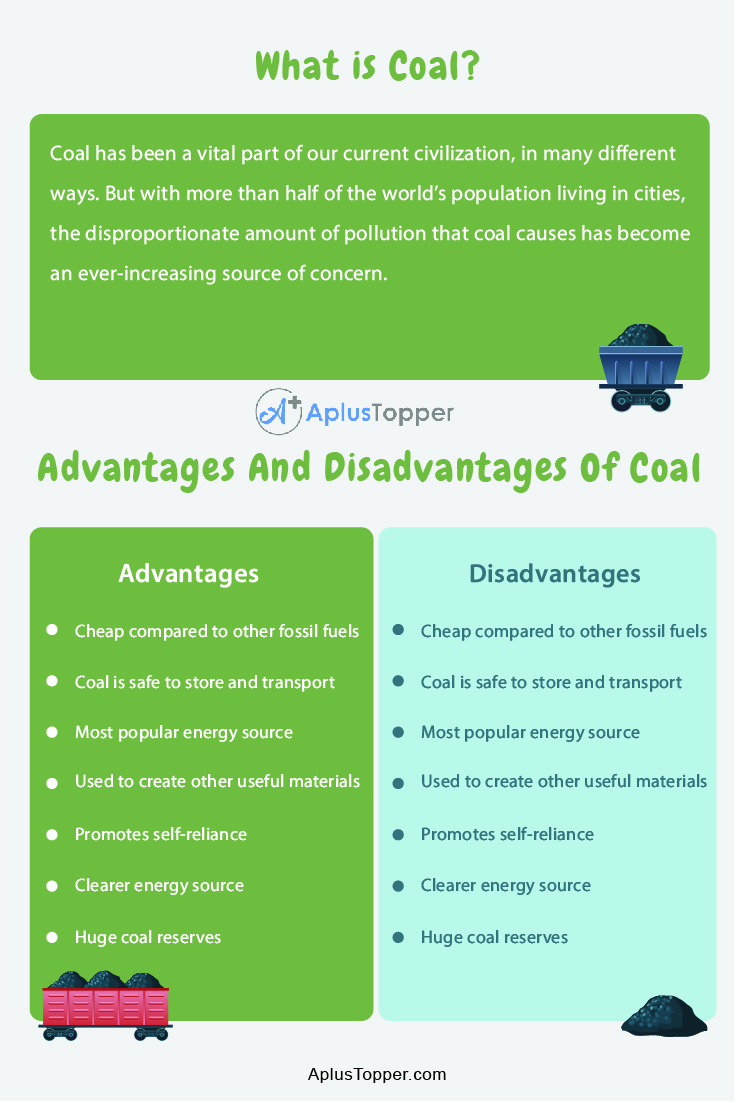
Alright, let's talk about something that's often in the shadows, yet has powered our world for centuries: coal. Now, before you picture soot-stained factories, hear us out. In a world buzzing with talk of renewable energy (and rightly so!), it's easy to overlook the fundamental roles and surprising advantages this sturdy resource has brought to the table. Think of it less as a villain and more as an old, reliable friend who's been doing a lot of heavy lifting for a long time.
We're diving into the pragmatic side of things today, exploring why coal has been such a foundational player in our journey to modern convenience. Ready to uncover some often-missed perks? Let's go!
The Abundant Earth: Always There
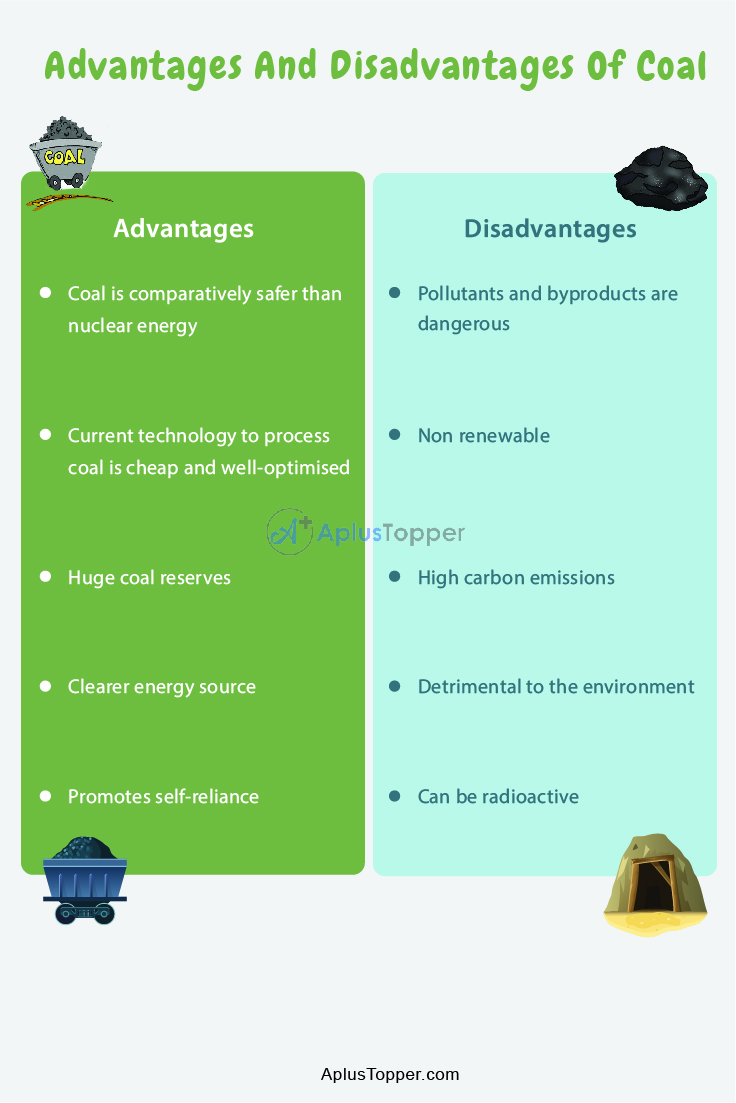
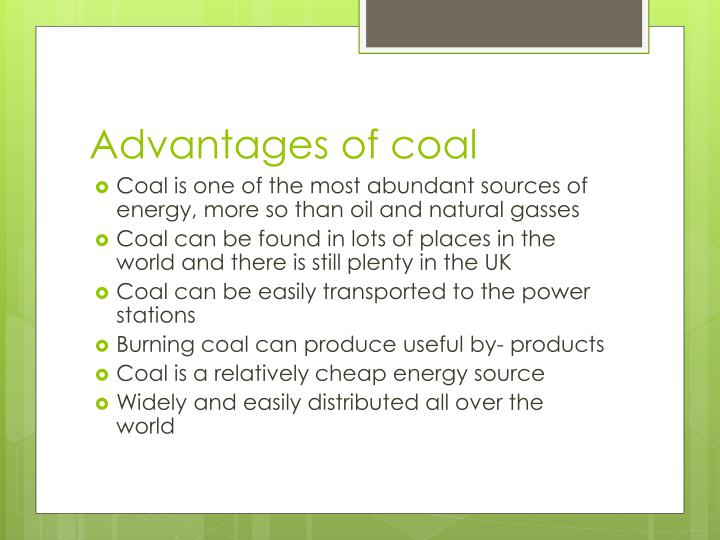
One of coal's biggest, most undeniable perks? Its sheer abundance. Seriously, it's found in significant quantities across the globe. This isn't some rare, elusive resource; it's a global pantry staple. This widespread distribution means many countries have their own reserves, reducing reliance on volatile international markets for energy security.
Must Read
Imagine needing a key ingredient for dinner, and it's always available, right in your neighborhood store. That's coal for many nations. This easy access has historically made it a go-to for fueling industrial growth and keeping the lights on, providing a stable foundation for developing economies.
Budget-Friendly Power: Keeping Things Affordable
Let's talk wallets. Generally speaking, coal has long been one of the most affordable sources of energy. The cost of extracting and processing it, coupled with its ready availability, has often translated to lower electricity bills for consumers and reduced operating costs for industries.
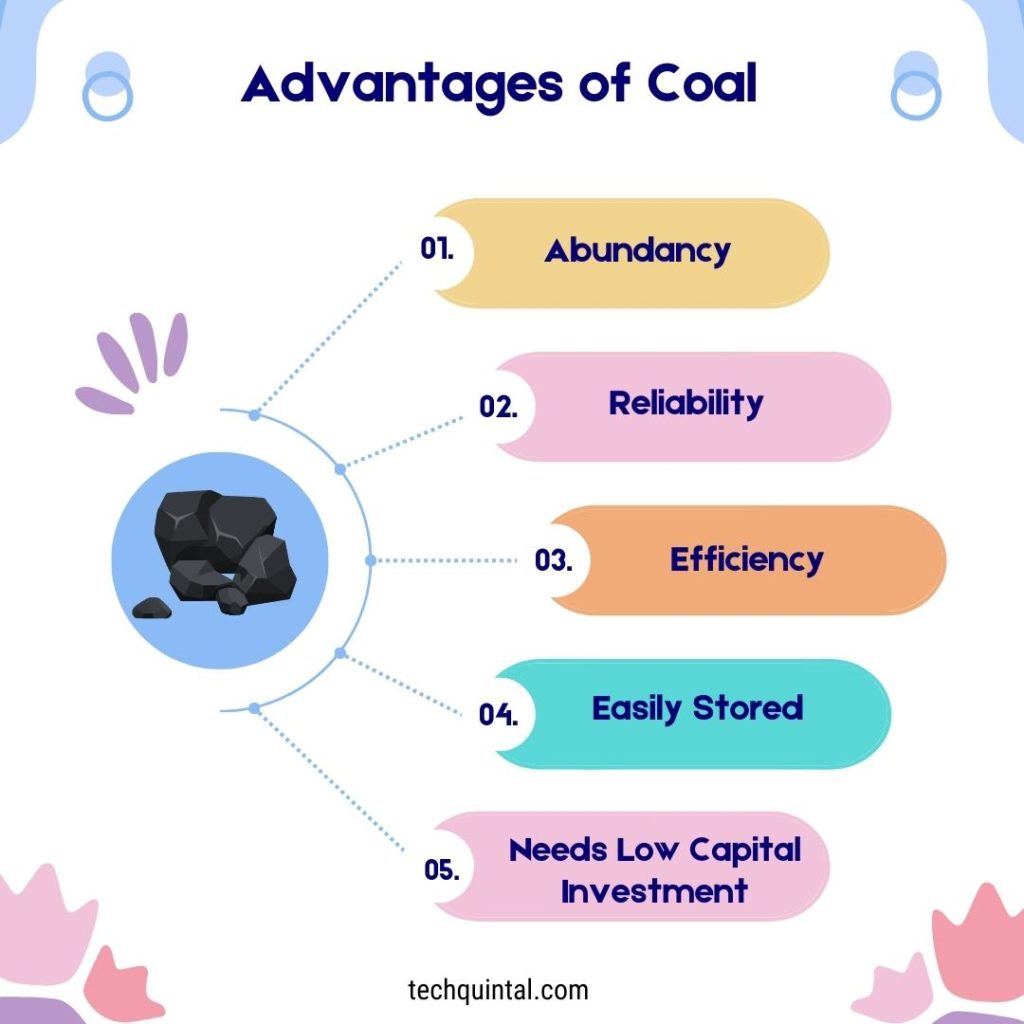
Think about how much we rely on electricity for everything from charging our phones to running our refrigerators. A more affordable primary energy source helps keep the everyday costs of living and manufacturing manageable. This economic advantage has been a key driver in industrialization and continues to play a role in economies worldwide. It's the reason many developing nations still turn to it as a pragmatic, cost-effective step towards powering their populations.
The Unsung Workhorse: Reliable and Ready
Ever wondered what keeps the grid stable when the wind isn't blowing or the sun isn't shining? Enter coal-fired power plants. They offer incredible reliability and consistency. Unlike intermittent renewable sources, coal can be stored and burned on demand, providing what's known as "baseload power."

This means they can operate 24/7, providing a steady stream of electricity that our modern lives depend on. It's the dependable engine that ensures your coffee maker works every morning, regardless of the weather outside. This dispatchability — the ability to turn power on or off as needed — is a huge operational advantage for maintaining a stable electrical grid.
Beyond the Burn: More Than Just Electricity
Here's a fun fact you might not know: coal isn't just for generating electricity! Its uses extend far into other vital industries. A special type, known as coking coal (or metallurgical coal), is absolutely essential for producing steel. Without it, we wouldn't have the skyscrapers, cars, bridges, or even the cutlery we use every day.
Coal also plays a role in manufacturing cement, which builds our homes and infrastructure, and even some chemicals. So, next time you admire a sleek new building or drive over a sturdy bridge, remember that coal likely had a hand in creating the materials. It's a true industrial multi-tasker, underpinning many aspects of our physical world.
A Legacy of Progress: Fueling Our Modern World
Let's take a quick trip down memory lane. The Industrial Revolution, the very era that catapulted humanity into modern society, was largely fueled by coal. From powering steam engines that revolutionized transport to driving the machinery in factories, coal was the original game-changer. It transformed societies, created jobs, and laid the groundwork for the technological advancements we enjoy today.
Think about the romance of old steam trains chugging across landscapes or the sheer marvel of early factories. These iconic images of progress owe their existence largely to coal. It's a testament to its energy density and transformative power. Understanding its historical impact helps us appreciate the journey of human innovation.
So, there you have it. While the energy landscape is continually evolving, and rightly so, understanding the foundational advantages of resources like coal offers a deeper appreciation for the complex tapestry of our energy supply. From keeping costs down to ensuring steady power and building our physical world, coal has undeniably played a crucial, multi-faceted role.
Next time you flip a light switch, perhaps take a moment to reflect on the diverse origins of the energy that brightens your life and powers your world. It's a fascinating thought, isn't it, how so many different elements come together to create the seamless convenience we often take for granted.