
What Is Stronger Titanium Or Stainless Steel

Let's talk about two metal superheroes: Titanium and Stainless Steel. We see them everywhere, from our watches to kitchen sinks. But if they had a showdown, who would win?
The Everyday Metal Gladiators
Imagine your trusty kitchen knife. It's probably stainless steel, a workhorse that resists rust and corrosion. Now picture a sleek, lightweight bicycle frame. Chances are, titanium is adding to its strength and nimbleness.
Both are strong, no doubt. But “strong” can mean different things, like a weightlifter and a marathon runner being both strong but in different ways.
Must Read
Strength Face-Off: Round 1 - Weight
Here's where titanium throws its first punch. It's significantly lighter than stainless steel. Think of carrying a bag of feathers versus a bag of rocks - both bags might be strong, but one is much easier to lift.
This is why titanium is so beloved in aerospace. Every ounce saved translates to better fuel efficiency and higher performance, important when you are hurtling through the sky. Less weight, more fun!
Stainless steel, being heavier, has the advantage of providing a good solid feel, which can be more desirable for some tools. It is all about what you want!
Strength Face-Off: Round 2 - Resistance to Corrosion
Imagine leaving your bike out in the rain – bummer, right? Here's where both metals shine. Both are highly resistant to corrosion, or rust.
Stainless steel earned its name because it stains less than regular steel. It has chromium in it, forming a protective layer against the elements.

Titanium is also fantastic at resisting corrosion. It creates a passive oxide layer when exposed to air and water. Think of it as an invisible suit of armor that automatically repairs itself.
Strength Face-Off: Round 3 - Tensile Strength
This is where things get interesting! Tensile strength is how much a material can resist being pulled apart. So, which metal is harder to tear?
Some stainless steels can boast very high tensile strengths, depending on their specific alloy. However, titanium generally has a higher strength-to-weight ratio. That is, for its weight, titanium is incredibly strong when being pulled apart.
Consider this: a titanium wire and a steel wire of the same weight. The titanium wire could often withstand a greater pull before snapping, which is impressive. This strength makes it suitable for medical implants where lightness is important.
Strength Face-Off: Round 4 - Bending and Shaping
Ever tried bending a spoon? Some metals are easier to shape than others. This is where stainless steel takes the lead.

Stainless steel is more ductile. This means it can be drawn into wires or hammered into sheets easier. This makes it perfect for making cookware and car bodies.
Titanium, while strong, is less flexible. It’s a bit more stubborn to work with. This makes manufacturing more complex, and partly explains its higher cost.
Strength Face-Off: Round 5 - Heat Resistance
Imagine a blacksmith working with blazing-hot metal. Certain metals can withstand extreme temperatures better than others. In this round, titanium does extremely well.
Titanium maintains its strength at higher temperatures than many types of stainless steel. This is crucial in aerospace applications where components face extreme heat due to friction.
Though certain kinds of stainless steel are designed to withstand very high heat, titanium usually has an advantage here.
The Price of Power
Let's talk about cost. This is where stainless steel scores a significant point. Stainless steel is generally much cheaper than titanium.

Titanium is more expensive because it is harder to extract from its ore and more difficult to machine. It's like comparing the price of a common gemstone with a rare one.
This cost difference is why you see stainless steel in everyday objects. From cutlery to construction materials, it balances strength with affordability.
Beyond Raw Strength: Considering the Application
The "stronger" metal isn't a simple question to answer. It depends on the job you need it to do. It is like asking whether a hammer or a screwdriver is stronger, it all depends on the specific application.
For applications where weight is critical, like airplanes or high-performance sports equipment, titanium's superior strength-to-weight ratio makes it the winner. For things where cost-effectiveness and ease of manufacturing are important, stainless steel takes the prize.
The best metal is the one that's best suited for the specific task. It is all about choosing the right tool for the job.
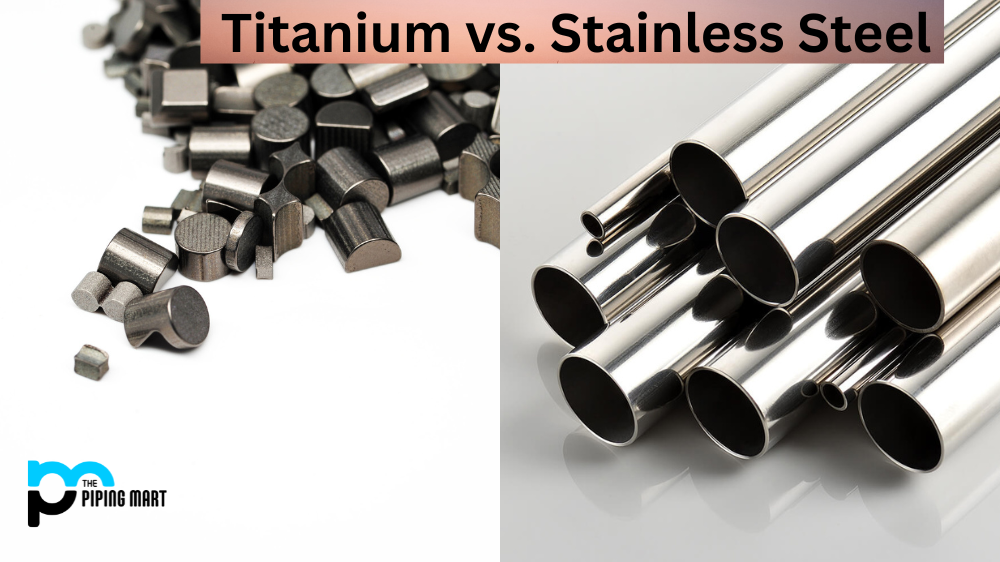
A Few Fun Facts About Our Metal Heroes
Did you know that titanium is biocompatible? This means our bodies don't reject it, making it ideal for medical implants. We literally trust titanium with our lives!
Stainless steel is also recyclable! Its ability to be melted down and repurposed is amazing. Reduce, reuse, and recycle!
Titanium can be anodized, which means it can be given a colorful surface finish. Think of a rainbow bicycle frame or a vibrant piece of jewelry. It is like giving titanium a makeover.
The Verdict
So, who wins the metal showdown? There is no single winner! It's a tie. Titanium boasts a better strength-to-weight ratio and excels in heat resistance. Stainless steel, on the other hand, offers affordability and ease of manufacturing.
Both metals are incredibly useful and play important roles in our lives. They are both heroes in their own right!
The next time you see something made of titanium or stainless steel, take a moment to appreciate its properties. It's a testament to human ingenuity!