
What Is Stiffness Of A Material
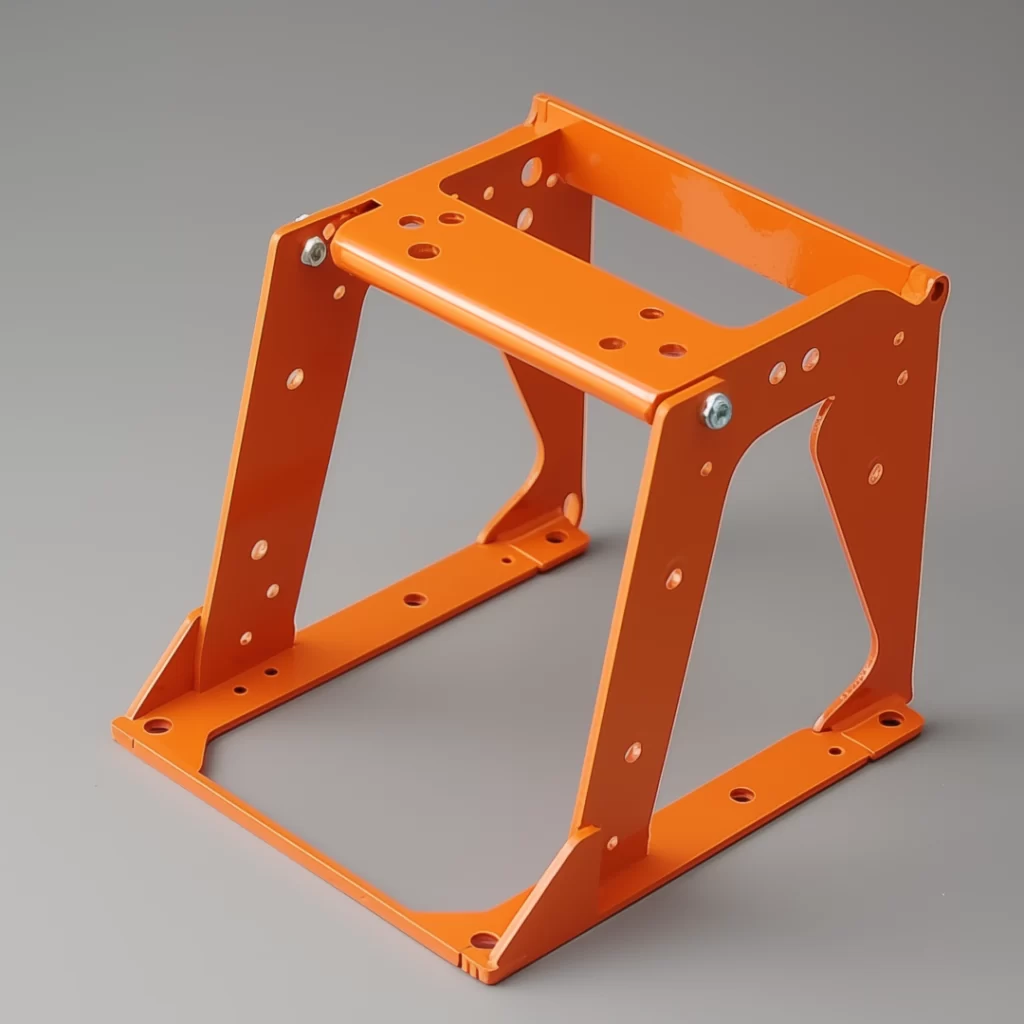
Hey there, friend! Ever poked something and thought, "Wow, that thing is really, really stubborn"? Or maybe you’ve tried to bend a perfectly straight object and it just laughed in your face (metaphorically, of course, because objects rarely laugh, thankfully). Well, my curious pal, you've just had a close encounter with a material's stiffness!
So, what exactly is this mystical "stiffness" we're talking about? Think of it like a material's inherent "I don't wanna!" attitude when you try to change its shape. It's its resistance to deformation. Not like my resistance to getting out of bed on a Monday, which is pretty strong, but a physical property!
Imagine you have a piece of perfectly cooked spaghetti (al dente, obviously) and a steel rod. If you try to bend the spaghetti, it gives way super easily, right? It's like, "Sure, whatever, bend me!" That spaghetti is not very stiff. Now, try the same with the steel rod. Go on, I'll wait. Yeah, good luck with that! The steel rod is saying, "Nope, not today, buddy!" It has high stiffness.
Must Read
Stiffness isn't just about bending, though. It’s also about how much something resists being squished, stretched, or twisted. Take a rubber band versus a wooden ruler. Pull the rubber band, and it stretches like it's auditioning for a contortionist act. That’s low stiffness when it comes to tension. Try stretching a wooden ruler. You probably won't even get a millimeter of give before you risk breaking it (please don't break your ruler, they're useful!). The ruler is much stiffer in that scenario.
Why Is Stiffness a Big Deal?
Oh, it’s a huge deal! Stiffness is one of those unsung heroes of the material world. It dictates so much of what we interact with every single day. Think about it:

- Your phone case? You want it stiff enough to protect your phone from drops, not a floppy piece of plastic.
- That skyscraper standing tall in the city? Its beams need to be incredibly stiff to resist the wind and the sheer weight of all those floors, preventing it from wobbling like a jelly tower.
- The frame of your car? It needs to be stiff for safety, so it can hold its shape and protect you in a collision. You definitely don't want a car that crumples like tin foil when you hit a pothole!
See? Stiffness keeps things stable, functional, and safe. It's the reason a chair holds you up instead of collapsing into a sad puddle of wood or metal.
Stiffness vs. Strength: They're Not the Same!
Here’s a common misconception: people often confuse stiffness with strength. While they can go hand-in-hand, they're actually different things!

Stiffness is about how much a material resists changing its shape. It’s about being unyielding.
Strength is about how much a material can handle before it breaks or permanently deforms. It's about its breaking point.
Think of glass. Glass is pretty stiff, right? It resists bending a lot. But it's not very strong – hit it with a hammer, and CRACK! It shatters easily. Now think of a really thick, strong rope. It's incredibly strong, able to hold heavy weights without breaking, but it’s definitely not stiff; it's super flexible and easily changes shape.

So, a material can be stiff but brittle (like glass), or strong but not stiff (like that super rope). Most engineers are looking for a good balance of both!
What Makes a Material Stiff?
Lots of things! Primarily, it's about the internal structure of the material itself – how its atoms and molecules are arranged and bonded. Materials with strong, tightly packed bonds tend to be stiffer. Think about the difference between a loose pile of sand (not stiff at all!) and a solid block of granite (very stiff!).

The shape and geometry of an object also play a huge role. An I-beam used in construction, for example, is incredibly stiff compared to a flat sheet of the same amount of metal, thanks to its clever design. Engineers are constantly figuring out how to make things stiffer without adding too much weight or material.
The Uplifting Takeaway!
So, the next time you lean on a sturdy table, marvel at a towering building, or even just confidently type on your keyboard, take a moment to appreciate the magic of material stiffness. It’s a fundamental property that shapes our world, ensuring that things stand firm, hold true, and keep us safe.
It’s a reminder that even the most seemingly rigid things have a fascinating story to tell about their inner strength and resistance. Just like us, sometimes we need to be a little bit stiff (mentally, not physically, hopefully!) to stand tall against the winds of change. So go forth, appreciate the unyielding nature of the world around you, and remember that sometimes, a little bit of stubbornness is a very good thing indeed!