What Is Stainless Steel Made Of

Ever found yourself admiring that sleek, shiny kitchen sink, the gleaming silverware, or even the façade of a modern skyscraper, and thought, "Wow, this stuff really holds up!"? You're not alone. We interact with stainless steel countless times a day, often without a second thought. It’s the unsung hero of our homes, hospitals, and even our high-tech gadgets, resisting rust and keeping things looking sharp. But have you ever stopped to wonder: what exactly is this magic material made of?
Let's pull back the curtain on this everyday marvel, because understanding its makeup is like peeking behind the scenes of a very successful show – it’s all about a brilliant cast of characters working in perfect harmony.
The Core Cast: Iron Takes the Lead
At its heart, stainless steel is, well, steel. And steel, fundamentally, is an alloy of iron and carbon. Think of iron as the sturdy backbone, the foundational element that gives stainless steel its strength and bulk. It’s like the lead actor who anchors the entire production, providing the essential framework.
Must Read
The Superstar: Chromium, the Rust Defender
Here’s where the magic truly begins. What makes stainless steel stainless, instead of just regular old steel that rusts when it meets moisture? Enter chromium! This is the undisputed MVP of the alloy. Typically, stainless steel contains at least 10.5% chromium, and often much more.
When chromium comes into contact with oxygen (even from the air!), it forms an incredibly thin, invisible layer on the steel's surface. We call this the passive layer or chromium oxide layer. It’s like a microscopic, self-repairing shield that constantly protects the underlying steel from corrosion and rust. If you scratch stainless steel, this amazing layer simply rebuilds itself! How cool is that?
The Supporting Players: Enhancing the Performance
While iron and chromium are the dynamic duo, other elements join the mix to fine-tune the steel's properties, making it suitable for a vast array of applications. It's like adding supporting actors who bring nuance and depth to the performance:
- Nickel: Often added to make stainless steel more ductile (easier to shape) and significantly boost its corrosion resistance, especially in acidic environments. It's also responsible for making some stainless steels non-magnetic. Think of it as the element that adds flexibility and extra polish. Types like the popular 304 and 316 stainless steels rely heavily on nickel.
- Molybdenum: This unsung hero is fantastic at increasing resistance to pitting and crevice corrosion, particularly in chloride-rich environments like saltwater. If you've ever seen 316 stainless steel used in marine applications, you can thank molybdenum!
- Manganese: Primarily used to improve the hot-working properties of steel and can sometimes partially substitute for more expensive nickel, though it offers different characteristics.
- Nitrogen: A powerful strengthener, nitrogen also enhances pitting resistance and can stabilize the austenitic structure (a common crystal structure for many types of stainless steel).
- Carbon: While too much carbon can reduce corrosion resistance, a controlled amount is essential for strength and hardness, especially in certain types of stainless steel used for cutlery.
Bringing It All Together: A Recipe for Resilience
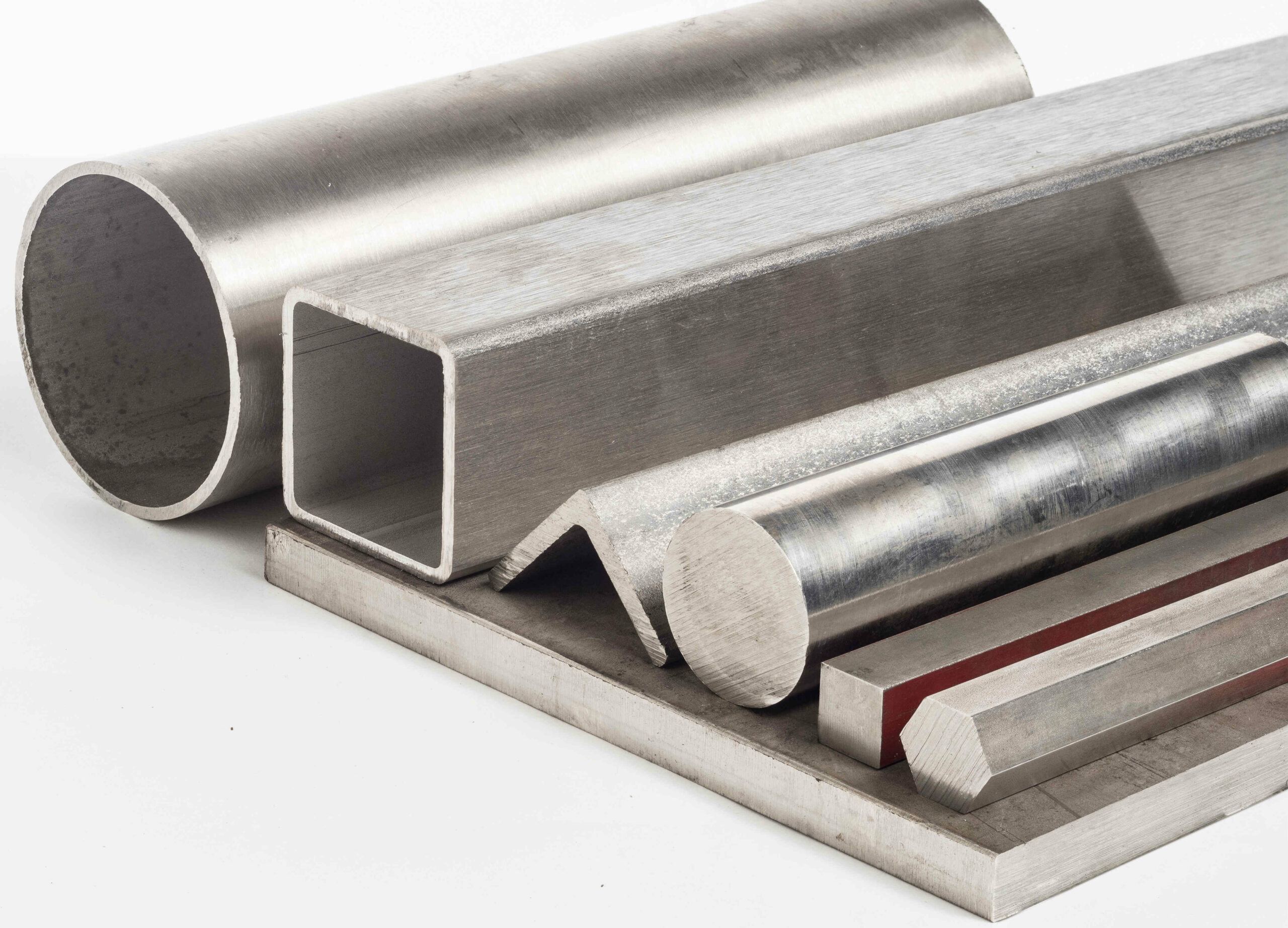
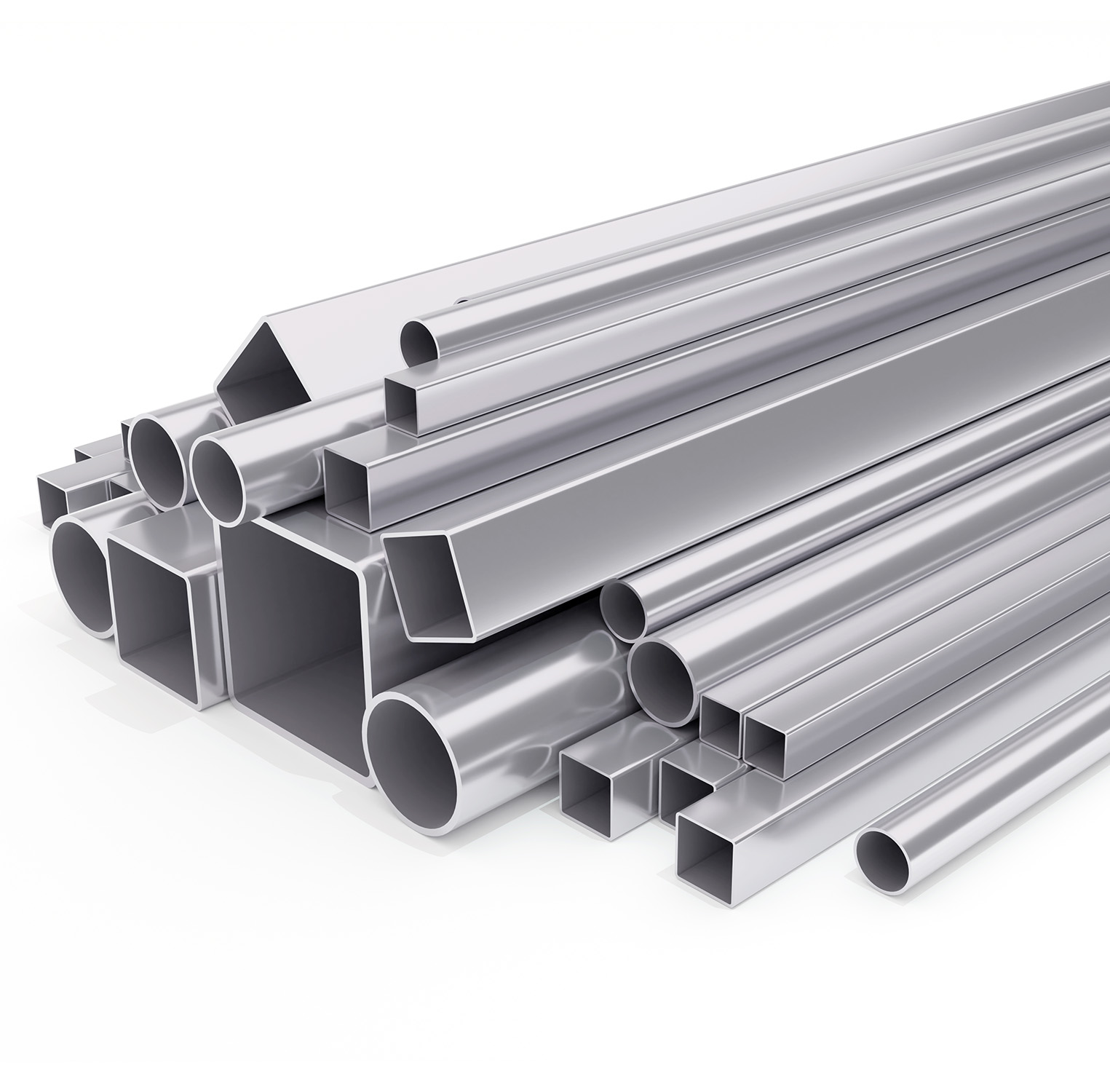
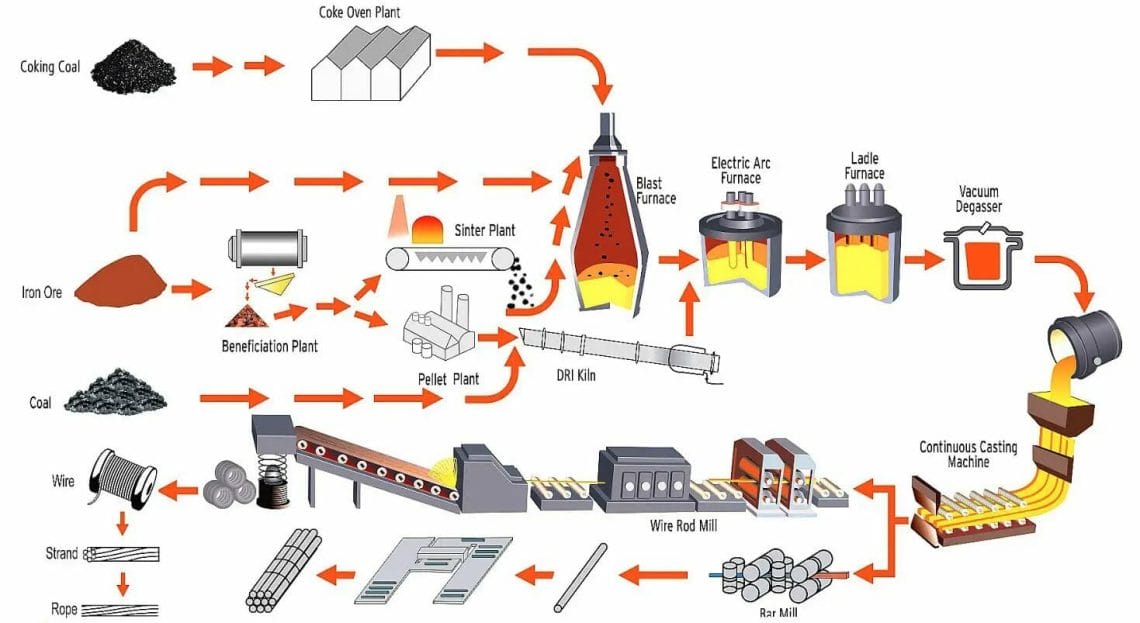
So, these elements aren't just thrown together haphazardly. Metallurgists carefully formulate specific "recipes" (alloys) to create different grades of stainless steel, each with unique properties. They melt these raw materials – iron ore, chromium, nickel, and other elements – in massive electric furnaces at incredibly high temperatures. Once molten, the precise composition is achieved, then cast into various forms like slabs, billets, or blooms, which are further processed into sheets, bars, wires, or tubes.
A Few Fun Facts & Practical Tips!
- Cultural Icon: Stainless steel isn't just for kitchens! The iconic top of the Chrysler Building in New York City, a masterpiece of Art Deco architecture, gleams with stainless steel. So does Anish Kapoor's "Cloud Gate" sculpture (aka "The Bean") in Chicago!
- Your Cutlery's Code: Ever seen "18/8" or "18/10" stamped on your silverware? That's your quick guide! It means 18% chromium and either 8% or 10% nickel. Higher nickel content generally means better shine and corrosion resistance.
- Cleaning Tip: To keep your stainless steel sparkling, avoid harsh abrasives. A soft cloth with warm water and a little dish soap usually does the trick. For stubborn spots, a paste of baking soda and water, or specialized stainless steel cleaners, works wonders. Always wipe in the direction of the grain!
More Than Just Metal
Stainless steel is more than just a blend of elements; it's a testament to human ingenuity. It’s strong yet elegant, resistant to the elements, and incredibly versatile. From the operating room to your coffee maker, its presence ensures hygiene, durability, and a touch of modern sophistication.
So next time you reach for that perfectly chilled stainless steel water bottle or admire a gleaming appliance, take a moment to appreciate the incredible science behind it. It’s a quiet reminder that with the right combination of elements – be it in metal or in life – we can create something truly resilient, long-lasting, and wonderfully useful.