
What Is Sn In Periodic Table

Okay, picture this: you’re scrolling through the periodic table – maybe for a class, maybe just because you’re a total chemistry nerd (no judgment here, we’re all friends!). And then you hit some of those elements that just make you go, “Huh?”
Like, you see ‘O’ for Oxygen, ‘H’ for Hydrogen, totally makes sense, right? But then you scroll a bit further, and BAM! You see Sn. And if you’re anything like me, your brain probably does a little stutter-step. Sn? Is that short for… Snack? Snail? What in the world is Sn?!
The Big Reveal: What on Earth is Sn?
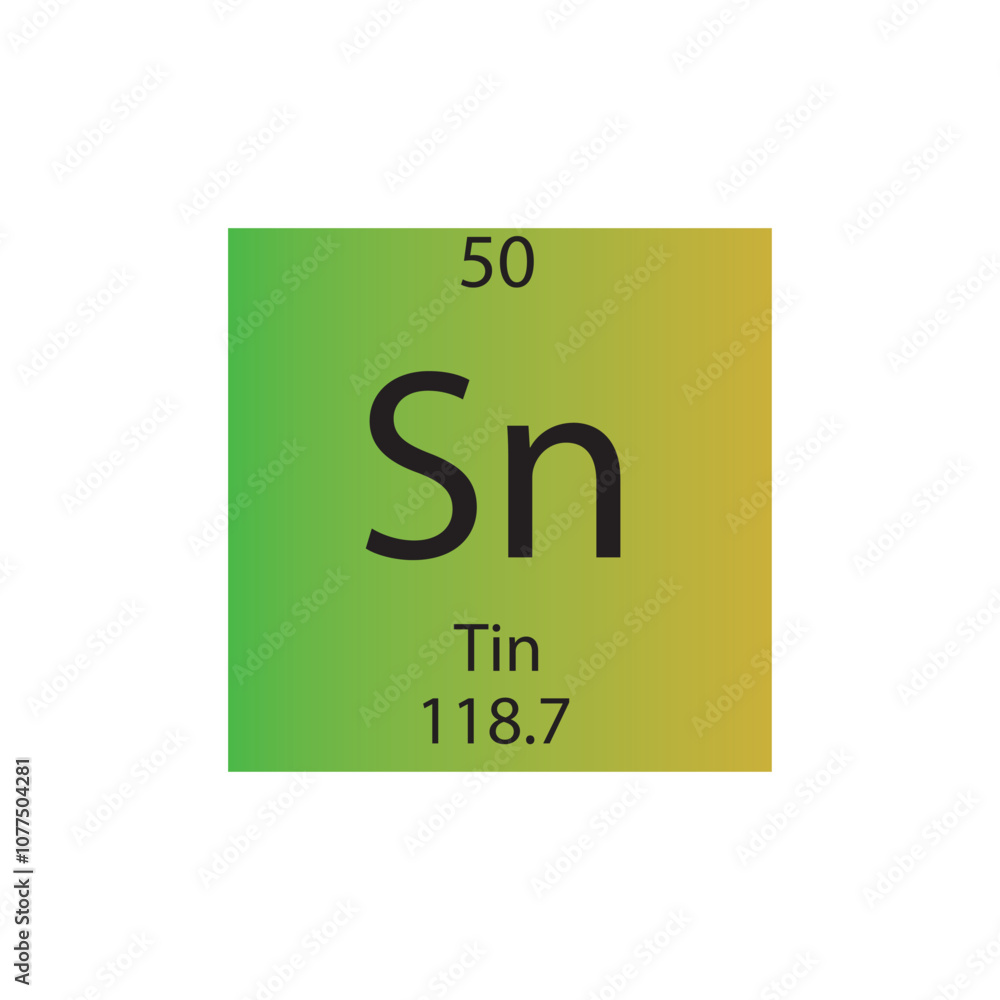
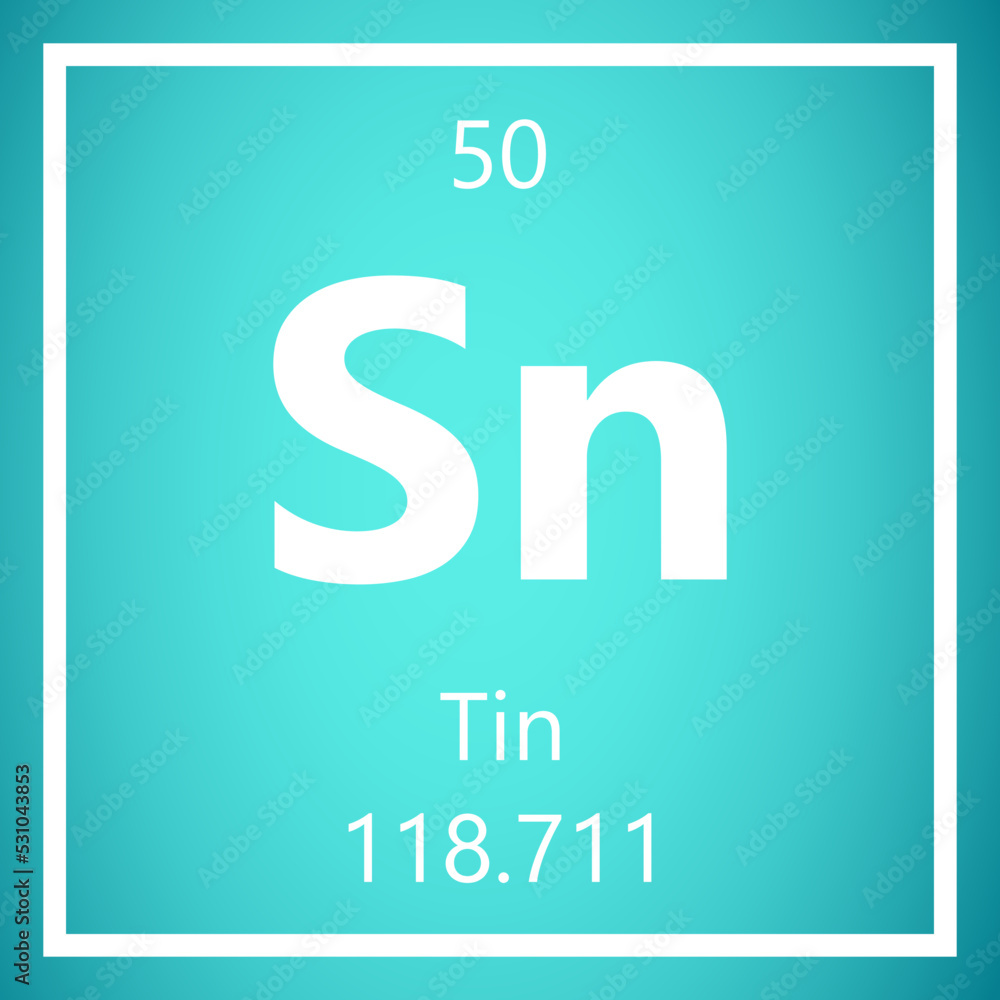
Well, lean in close, because I’m about to blow your mind (or at least, gently inform it). That mysterious, two-letter code, Sn, is actually our good old friend, Tin.
Must Read
Yep, that’s right! Tin. As in, the stuff they used to make those old-timey toy soldiers, or the coating on your (not actually tin) tin cans. Kinda wild, isn't it? Such a common material, hiding behind such an uncommon abbreviation.
Why Sn, Though? What’s the Deal?
This is where chemistry gets a little fancy, a little historical, and a lot Latin. You see, a bunch of elements got their symbols from their Latin names. It’s like a secret club for historical scientists.
So, while we call it Tin in English, its Latin name is stannum. And guess what? Take the first two letters of stannum, and what do you get? You guessed it: Sn! Mind. Blown.

It’s kind of cool when you think about it, like a little linguistic Easter egg hidden in plain sight. It’s not just random letters; there’s always a story!
So, What’s So Great About Tin Anyway?
Oh, where do I even begin? Tin is actually pretty fantastic. It’s what we call a post-transition metal. Sounds super important, right? It kind of is!
One of its coolest tricks is how soft and malleable it is. Think about it, you can bend it, flatten it, roll it out into super-thin sheets. It’s got a relatively low melting point too, which makes it super easy to work with. Perfect for all sorts of manufacturing.
And here’s a big one: tin is incredibly corrosion-resistant. That means it doesn't rust easily. Super helpful, right? Especially when you’re trying to protect something delicate inside a container.
Where Do We Even See Tin in Our Lives?
Okay, beyond the periodic table, where’s Sn hanging out? Everywhere!
Remember those “tin cans” I mentioned? They’re usually made of steel, but guess what gives them that lovely shiny, protective coating? Yep, you got it: a thin layer of tin! It stops the steel from rusting and keeps your food fresh. Pretty clever, huh?
![Tin (Sn) - Periodic Table [Element Information & More]](https://knordslearning.com/wp-content/uploads/2023/01/tin-element-periodic-table.jpg)
It’s also a superstar in solder. That stuff electricians use to join wires? Often a mix of tin and lead (or just tin these days, for environmental reasons). It melts easily and makes a strong connection.
And how about bronze? That ancient metal alloy used for statues, tools, and weapons? Bronze is typically a mix of copper and… wait for it… tin! See? It’s been making history for millennia.
Even pewter, that slightly duller, silvery metal often used for mugs or decorative items, is mostly tin, often with a touch of copper or antimony.
Fun Tin Tidbits (Because Why Not?)
Did you know tin can actually "scream"? Seriously! If you bend a bar of pure tin, you might hear a faint crackling sound. It’s called the tin cry, caused by the crystal structure changing. Spooky, right?
And then there’s tin pest. Sounds like a medieval plague, but it’s actually when pure tin gets super cold (like below -13°C or 8°F) and slowly turns into a crumbly powder. It basically self-destructs! Legend says Napoleon’s army suffered during a Russian winter because the tin buttons on their uniforms disintegrated. Imagine!
So, There You Have It!
Next time you're casually glancing at a periodic table (as one does, obviously), and your eyes land on Sn, you won’t just see a random pair of letters. You’ll see Tin. You’ll think of its Latin roots, its bendy nature, its role in keeping your food fresh, and maybe even its ghostly cry.
Who knew chemistry could be so full of personality and hidden stories, right? You’re basically a periodic table detective now. Go forth and impress your friends with your newfound Sn knowledge!