What Is Single Phase And 3 Phase

Ever plugged something into an outlet? Of course, you have! From your phone charger to your toaster, you’re interacting with electricity every single day. But have you ever stopped to think about the kind of electricity flowing into your gadgets? Probably not. And that's perfectly okay! Most of us just want power, not a lecture.
Today, we're going to peek behind the curtain. We’re going to meet electricity’s two main characters: Single Phase and Three Phase. Don’t worry, it’s less like a science class and more like a friendly chat at the local diner. Except, instead of coffee, we’re talking about power.
First up, let’s talk about the unsung hero, the everyday workhorse, the one you probably know best without even realizing it: Single Phase electricity. Think of it as electricity’s shy cousin. It’s what powers almost everything in your house. Your lights, your TV, your fridge – all happily humming along on single phase.
Must Read
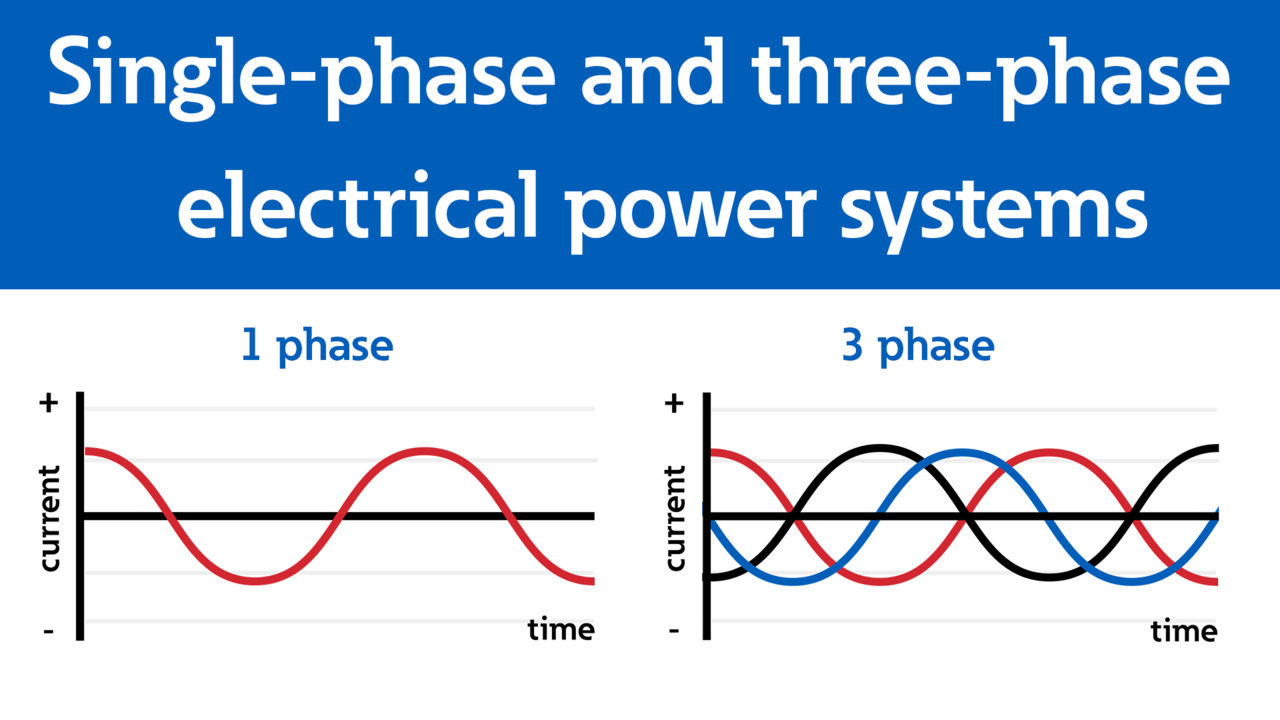
How does it work? Imagine electricity flowing in a simple, oscillating wave. Up, down, up, down. Like a gentle ripple on a pond. It's straightforward, effective, and perfect for smaller jobs. It's like having one person pushing a swing. You get a good push, then a brief pause, then another push. Totally fine for a casual swing ride.
My "unpopular" opinion? Single Phase is the true MVP. It gets the job done without all the fuss. It's humble, reliable, and just… easy.
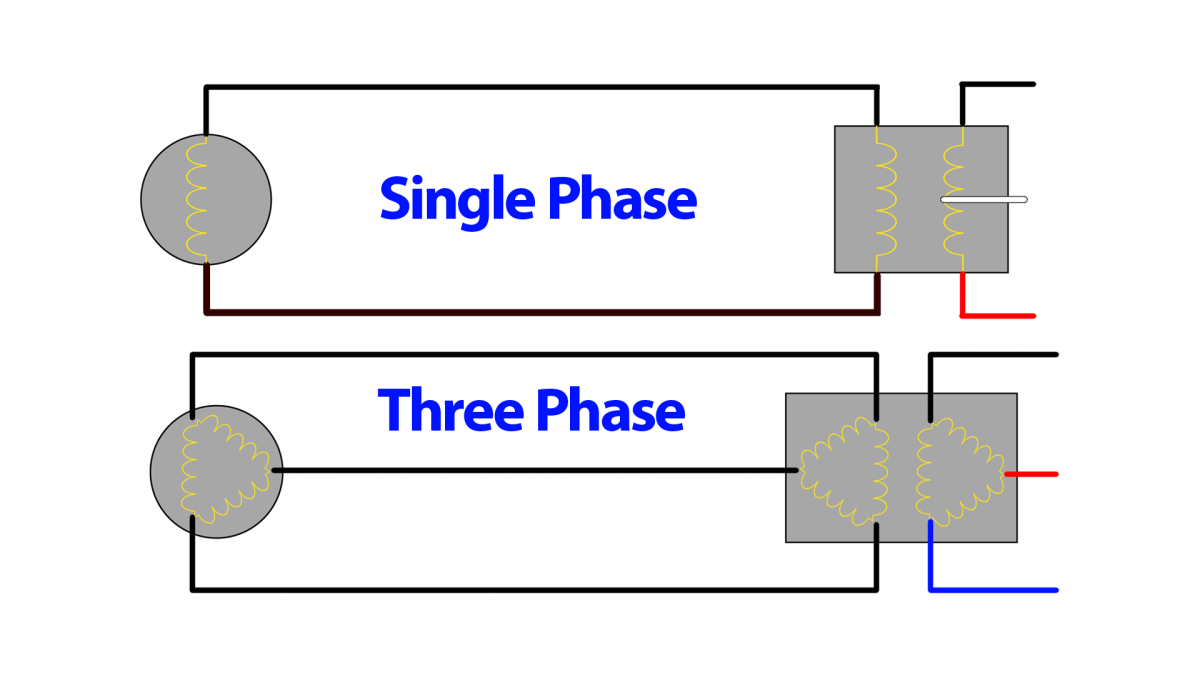
Now, let's meet the big kahuna, the heavy lifter, the one that makes things really rumble: Three Phase electricity. This is where things get a little more interesting, like inviting two more friends to help push that swing. Suddenly, it’s a lot smoother, a lot more powerful.
Instead of just one electrical wave, three phase has, you guessed it, three separate waves. And here’s the clever bit: these three waves are all slightly out of sync with each other. When one wave is dipping down, another is peaking up. This creates a constant, unwavering stream of power. It's like having three people pushing that swing, each taking turns so the swing never really slows down. It just keeps going, smoothly and powerfully.

Why would you need this kind of synchronized power party? Well, your washing machine motor doesn’t need continuous, brute force power. But what about huge factory machines? Massive air conditioning units for an entire skyscraper? Or giant industrial motors that can’t afford even a tiny hiccup in power? That’s where three phase shines. It provides incredibly smooth power and is much more efficient for these big, hungry machines.
Think of it this way: single phase is perfect for brewing a single cup of coffee at home. It’s quick, easy, and gets the job done for your morning kick. Three phase, on the other hand, is like the giant espresso machine in a bustling coffee shop. It can brew hundreds of cups an hour, continuously, without breaking a sweat. It’s built for serious, non-stop action.
So, there you have it. Single phase is the familiar, friendly power that lights up your home and charges your phone. It’s simple, effective, and our everyday companion. And then there's three phase, the industrial powerhouse, providing relentless, powerful energy for the biggest jobs out there. It’s a bit more complex, a lot more powerful, and absolutely essential for industry.
Next time you plug something in, give a little nod to single phase. And if you ever find yourself next to a huge factory, remember the tireless work of three phase electricity. Both are incredible feats of engineering, making our modern world spin. But let's be honest, for simply enjoying a quiet evening at home, single phase is all you really need, right?