
What Is Required To Buy A Home
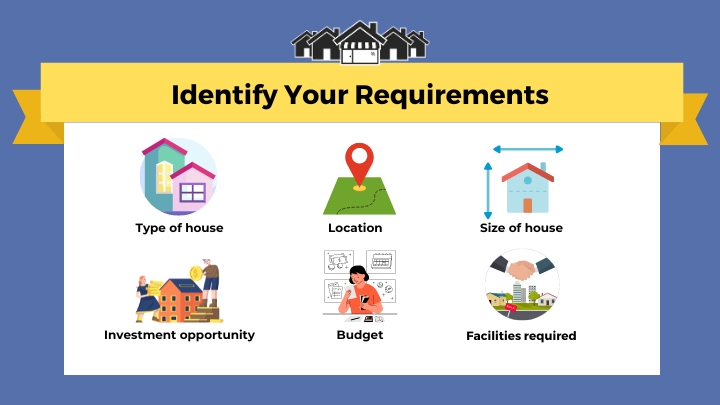
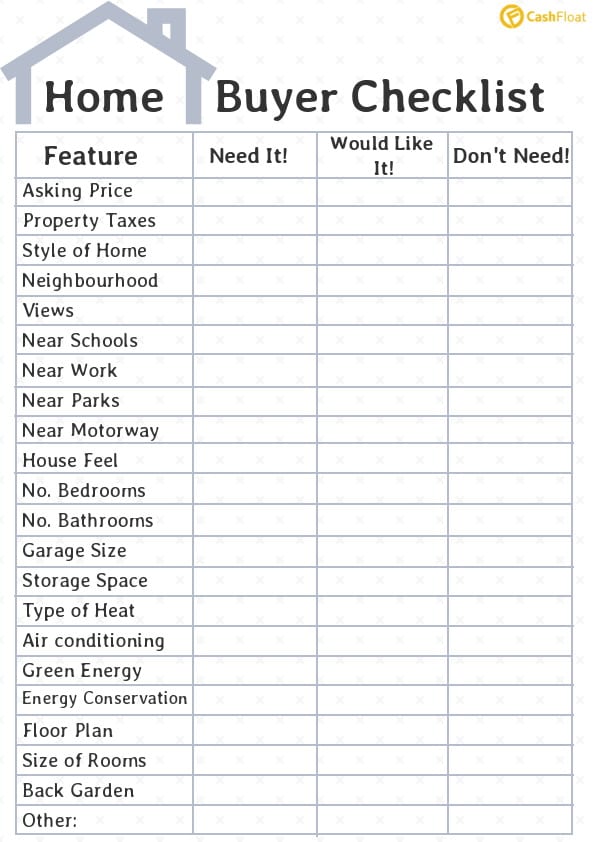
Ever found yourself scrolling through Zillow, dreaming of a place with a yard for a dog you don't even have yet? Or maybe a kitchen big enough to actually bake in, not just reheat yesterday's pizza? You're not alone. The idea of buying a home can feel like trying to solve a Rubik's Cube blindfolded while riding a unicycle.
But fear not, future homeowner! It's less 'Mission Impossible' and more 'adulting's grandest scavenger hunt.' Let's demystify what it really takes to get those keys in your hand.
The Money Dance
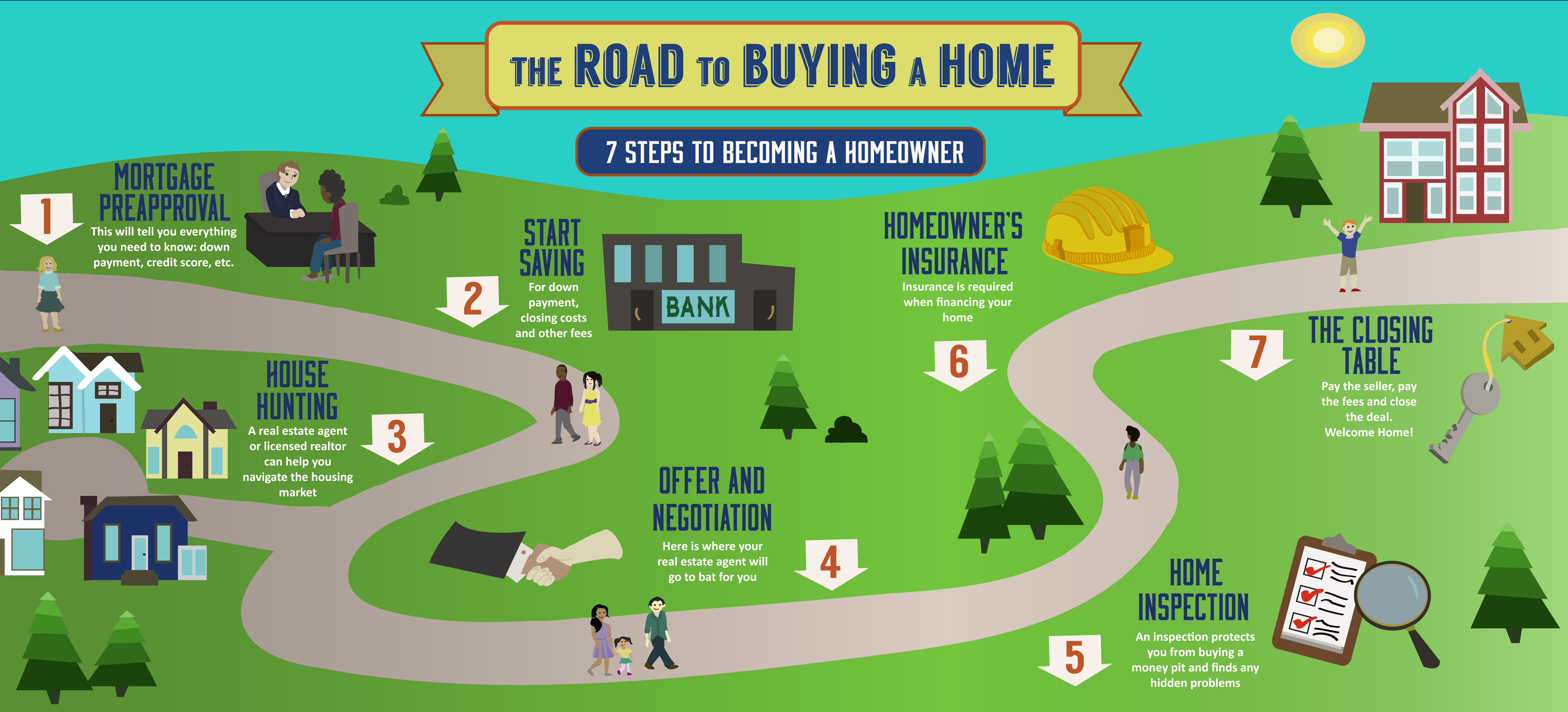
First up, the grand kahuna, the elephant in the room: money. Specifically, a down payment and closing costs. Think of the down payment as your 'serious about this' fee – usually 3.5% to 20% (or more!) of the home’s price. It's like trying to buy that fancy coffee maker you've been eyeing, but needing a month's worth of latte money upfront.
Must Read
Then there are closing costs, which are like the 'admin fees' for your house – title insurance, appraisal fees, loan origination fees, etc. – typically another 2-5% of the loan. It’s like buying a new phone and then realizing you also need a case, screen protector, and probably a new charger. These aren’t optional extras; they’re your admission ticket to the homeowner club. Start squirreling away those pennies like a squirrel prepping for the apocalypse!
Your Financial Report Card (Credit Score)
Next, let's talk about your financial report card: your credit score. This little three-digit number tells lenders how responsible you are with borrowed money. Think of it like your Tinder profile for loans. A good score (generally 700+) says, 'Hey, I'm reliable, I pay my bills on time, and I'm not going to ghost you.'
A low score? Well, that's more like, 'I once bought a pizza, promised to pay, and then moved to a different country.' Lenders want to see that you're a good risk, not a flight risk. So, pay those credit card bills, avoid maxing them out, and definitely don't open a dozen new accounts right before applying. Your credit score is your financial reputation, and in this game, reputation is everything.
Show Me the Proof (Income & Employment)
Okay, you've got some savings and your credit score isn't scaring anyone. Now, lenders want to know if you can keep paying that mortgage every month. This is where your income and employment history come in. They want to see that you have a steady job – ideally with at least two years in the same field, if not the same company.
It's like applying for a long-term relationship; they want to know you're not going to suddenly quit your job to become a professional cat whisperer (unless it pays really well). They'll ask for pay stubs, tax returns, and probably your firstborn's kindergarten drawing just to be thorough. The goal is to prove you're not just a flash in the pan, but a consistent, reliable income-earner.
Don't Be Overwhelmed (Debt-to-Income Ratio)
Now for a mouthful: your debt-to-income ratio (DTI). This one sounds intimidating, but it's basically a fancy way of saying, 'How much of your monthly income is already being swallowed by other debts?' Think of it like a teeter-totter.
On one side, you have your monthly gross income. On the other, your existing debts – car payments, student loans, credit card minimums, etc. Lenders want to see that your debts aren't outweighing your income before adding a mortgage payment. Generally, they like to see your DTI below 43%. It's about ensuring you can still afford things like, you know, food and electricity, after paying for your awesome new home.
The Virtue of Waiting (Patience & Perseverance)
Here's the often-overlooked secret ingredient: patience and perseverance. Buying a home is not like ordering pizza. It's more like baking a soufflé – delicate, requires attention, and might deflate if you rush it.
There will be paperwork, lots of it. There will be waiting. There might be multiple offers, bidding wars, and moments where you question everything. You'll need the tenacity of a toddler asking for a cookie and the calm of a zen master. It’s a marathon, not a sprint. Keep your eye on the prize, take deep breaths, and remember that every 'no' gets you closer to a 'yes!'
You Need a Squad (Your Team)
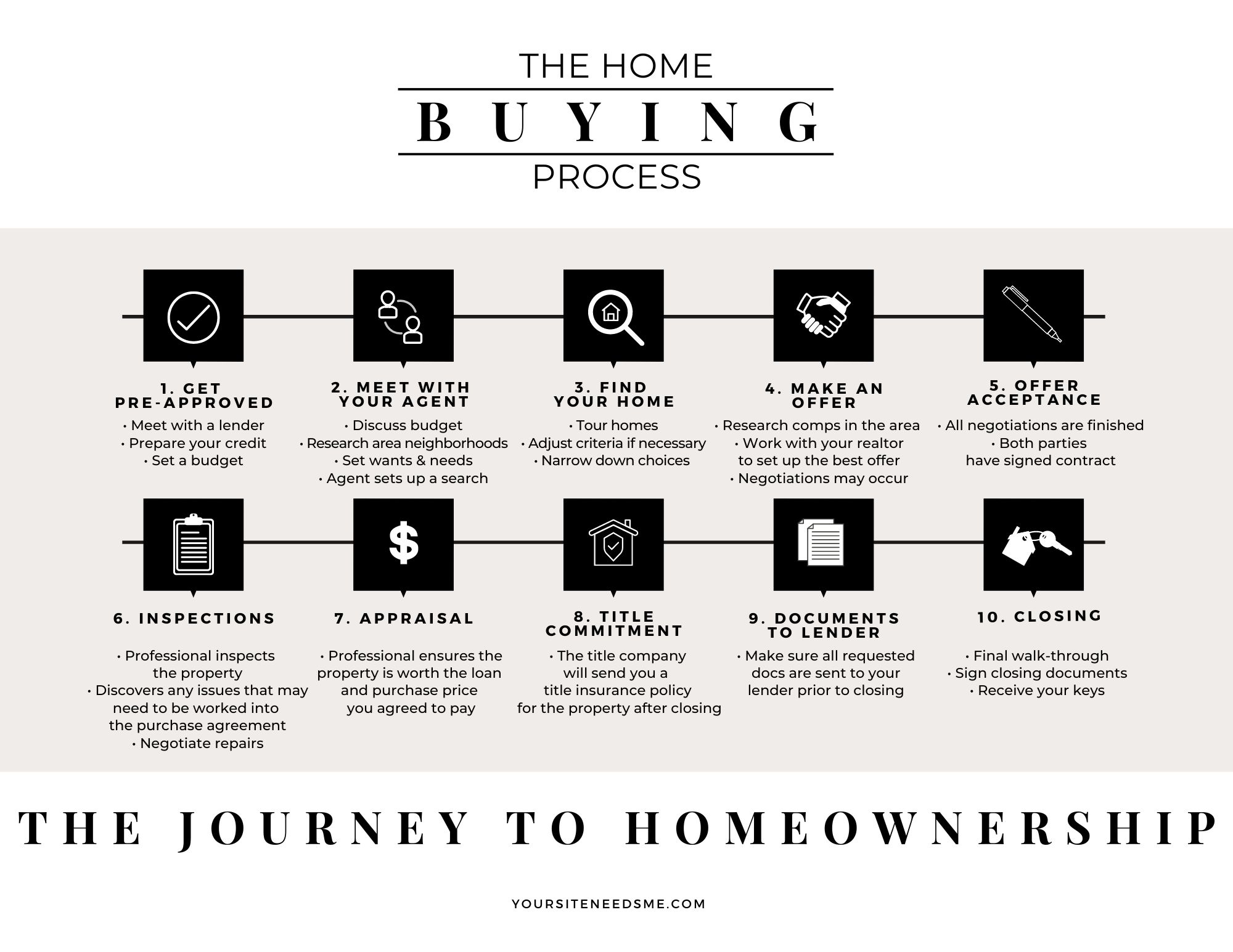
You might be thinking, 'This sounds like a lot to navigate alone!' And you'd be right. This is where your dream team comes in. You'll want a fantastic real estate agent – your guide, your negotiator, your therapist, and your hype-person all rolled into one. They know the market and they'll help you find the perfect place.

Then there's your lender or mortgage broker, who's like your financial co-pilot, helping you find the best loan for your situation. Don't try to be a lone wolf here. These pros are essential. They’ve been through it a million times, and they know how to avoid the pitfalls, making the whole journey much smoother (and funnier, sometimes!).
It's Worth It!
So, is buying a home a walk in the park? Not exactly a stroll through a field of daisies. But is it achievable? Absolutely! It requires a bit of financial planning, some good habits, a hefty dose of patience, and a reliable team by your side.
Think of it as preparing for the ultimate adulting adventure. It might feel overwhelming at times, like trying to assemble IKEA furniture with only the pictures, but the reward – that feeling of unlocking your very own front door – is utterly priceless. You've got this. Happy house hunting!