What Is Required To Be A Welder
Ever found yourself staring at a colossal bridge, a gleaming skyscraper, or even just the intricate frame of a bicycle, and wondered, "How on Earth did they put that together?" Chances are, a welder, or many welders, played a pretty crucial role. We often picture welders as stoic figures behind a flash of sparks, but what truly goes into becoming one? Let's peel back the layers and discover that it’s way more fascinating than just heating metal!
Is it just brute strength and a big torch? Think again!
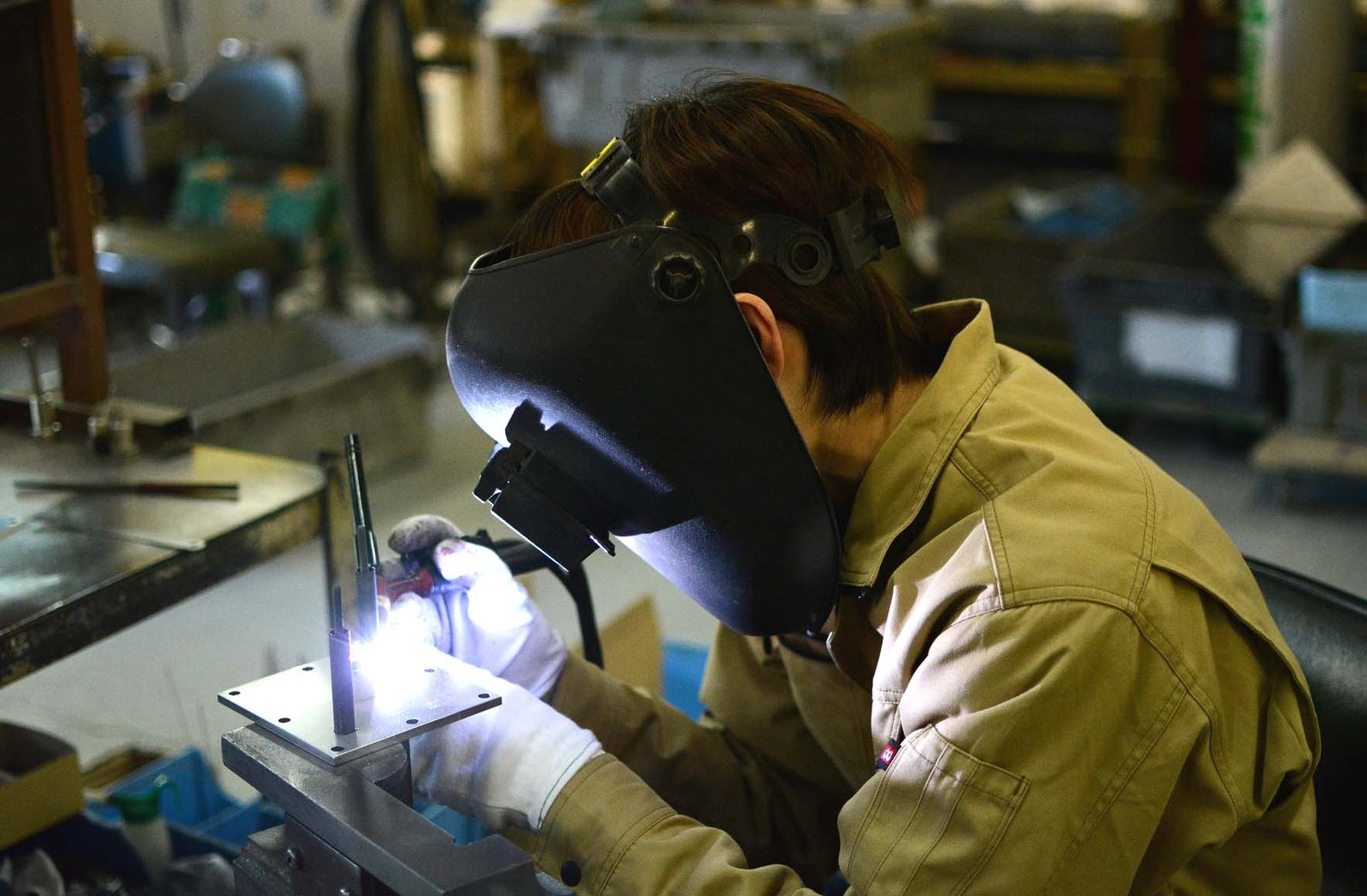
Forget the image of someone just muscling their way through metal. While physical stamina can certainly help, being a welder is less about brute force and more about finesse and precision. Imagine trying to draw a perfect, consistent line with a super-hot pen that melts whatever it touches. That’s kind of what welding is like! It requires a surprisingly steady hand, keen eyesight, and an incredible amount of focus. You’re essentially performing delicate surgery on metal, ensuring every joint is strong, clean, and structurally sound. It's like being a sculptor, but with fire and molten metal instead of clay!
Do I need a fancy university degree? Not necessarily!
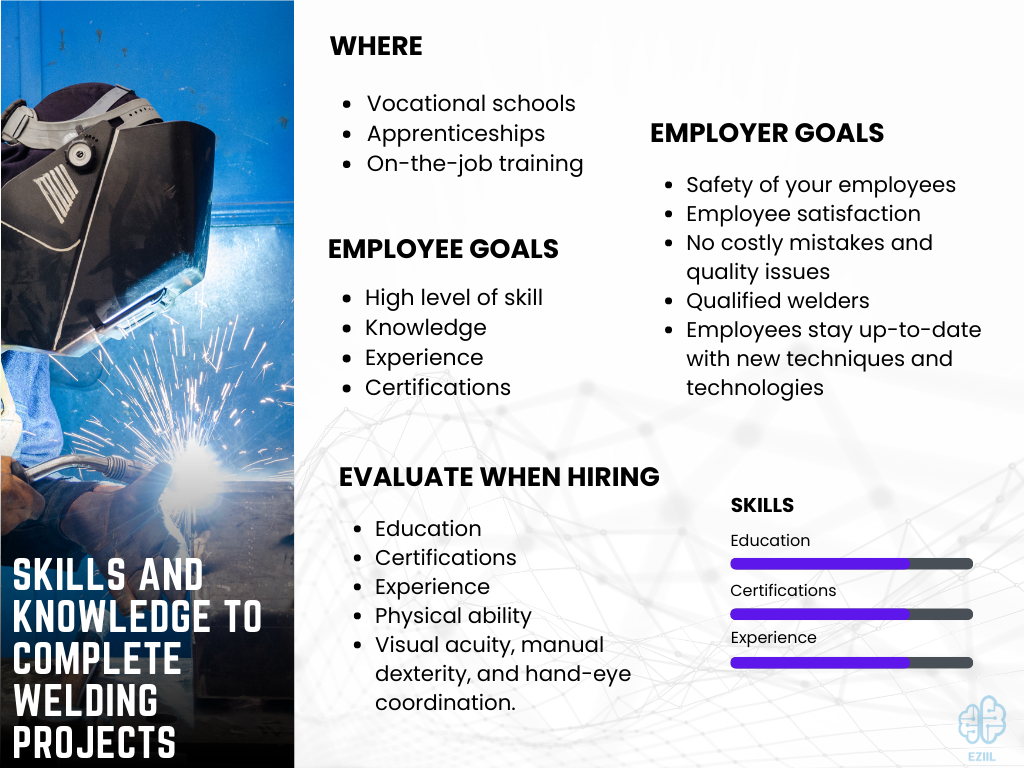
Good news for those who aren't keen on traditional four-year degrees! While some specialized engineering roles might require higher education, becoming a hands-on welder often leans more towards practical training. Think vocational schools, community colleges, or apprenticeships. These programs dive deep into the various types of welding (like MIG, TIG, or Stick – sounds like code names, right?). You learn about different metals, how they react to heat, and the specific techniques needed for each. It's less about memorizing textbooks and more about getting your hands dirty (safely, of course!) and building muscle memory. Think of it like learning a new language, but instead of speaking to people, you're communicating with steel beams!
Must Read
Beyond the sparks: Understanding the 'why' and the 'how'
It's not just about pointing and melting. A truly skilled welder understands the science behind the sizzle. They know about metallurgy – how different metals behave when heated and cooled. They can read blueprints like a secret map, understanding exactly where each weld needs to go and what strength it needs to achieve. They're problem-solvers, too. What if the metal isn't perfectly clean? What if the environment isn't ideal? A good welder can adapt and find the best solution, always ensuring the integrity of their work. It's a blend of art, craft, and a healthy dose of practical physics!
Safety First, Always!
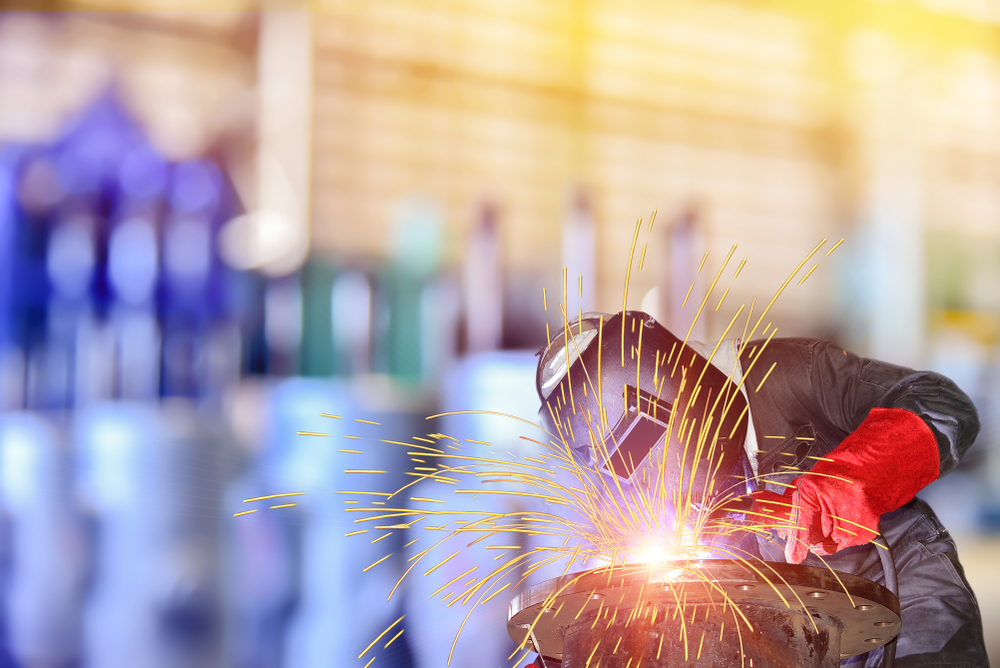
Okay, let's be real – welding looks intense, and it absolutely can be. You're dealing with extreme heat, bright light, and sometimes fumes. That’s why safety is paramount. Welder's helmets aren't just for looking cool; they protect your eyes and face from intense UV light and sparks. Heavy-duty gloves, jackets, and aprons are like a welder's superhero costume, shielding them from burns. A big part of the training is understanding and respecting the tools and the environment. It's about being aware and responsible, not reckless. Think of it like being a master chef who knows how to handle incredibly hot ovens and sharp knives with expert care.
The "soft" skills that really matter
Beyond the technical prowess, some less obvious qualities really make a welder shine. Patience is a huge one. Not every weld is perfect on the first try, and learning takes time and repetition. Perseverance keeps you going when things get tricky. Attention to detail ensures everything is just right. And because many welding jobs are part of larger construction or manufacturing projects, teamwork and good communication are also incredibly important. You’re often working alongside engineers, fitters, and other tradespeople, so being a good collaborator is key. It's like being a crucial member of a sports team, where everyone's precise actions contribute to the final victory!
Why is it such a cool path to explore?
So, what's the big payoff? Well, for starters, welders are in high demand across countless industries – from shipbuilding and aerospace to automotive and structural construction. It’s a skill that builds the world around us, quite literally! Imagine looking at a towering building or a massive rollercoaster and knowing you helped bring it to life. There's immense satisfaction in seeing tangible results from your hands-on work. Plus, it's a skill that offers great job security and often a very good income. You're not just doing a job; you're a modern-day artisan, shaping metal and creating the infrastructure of tomorrow.
So, the next time you see a welder, remember they're not just making sparks fly. They're combining science, art, precision, and passion to build the foundations of our world. Maybe, just maybe, you’ve got that spark of curiosity (and the steady hand!) to explore this incredible trade yourself!