What Is Renewable Energy And Non Renewable Energy
Ever wondered where the electricity powering your phone, the gas heating your home, or the fuel in your car comes from? It's a fascinating journey from the earth to your everyday life, and understanding the difference between renewable and non-renewable energy is like unlocking a secret level in the game of sustainability! It's not just about being eco-friendly; it's about understanding the world around us and making smart choices for the future. Plus, let's be honest, impressing your friends with your energy knowledge is pretty cool too.
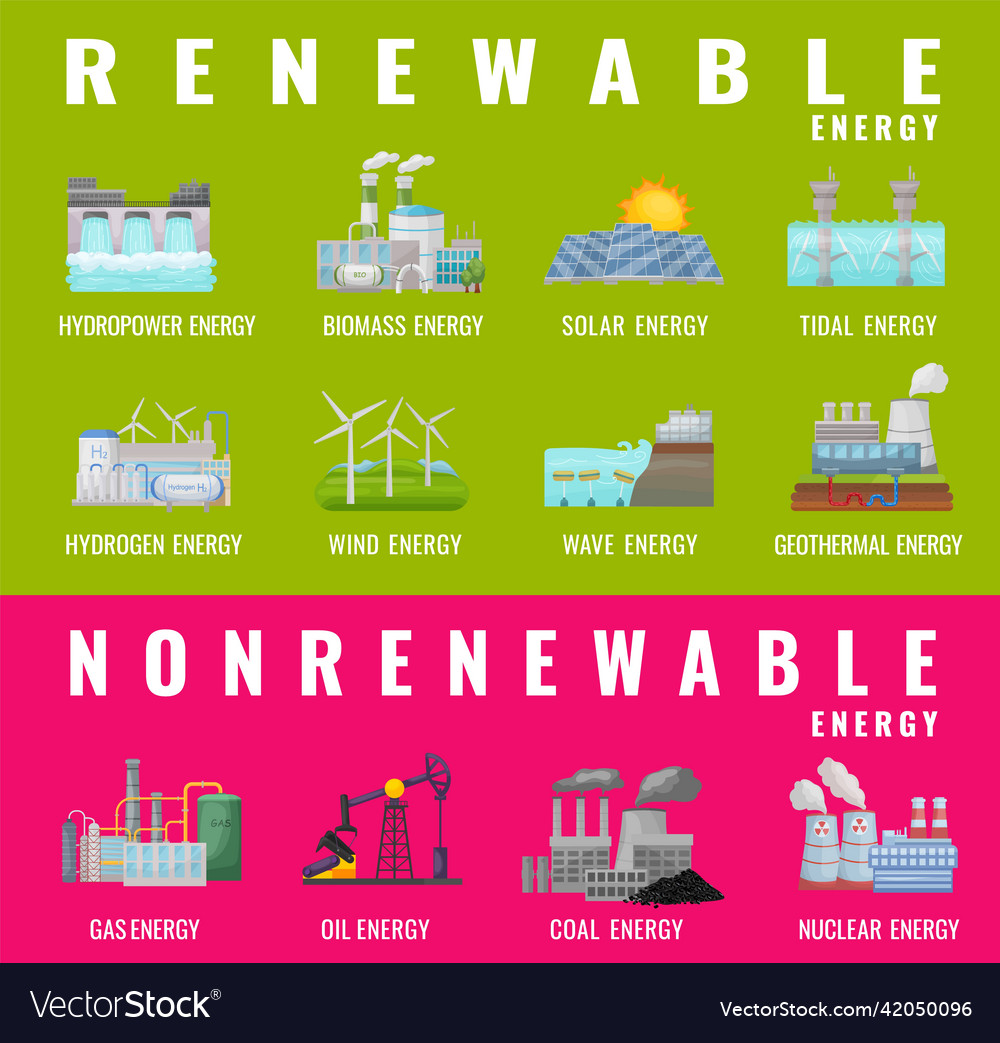
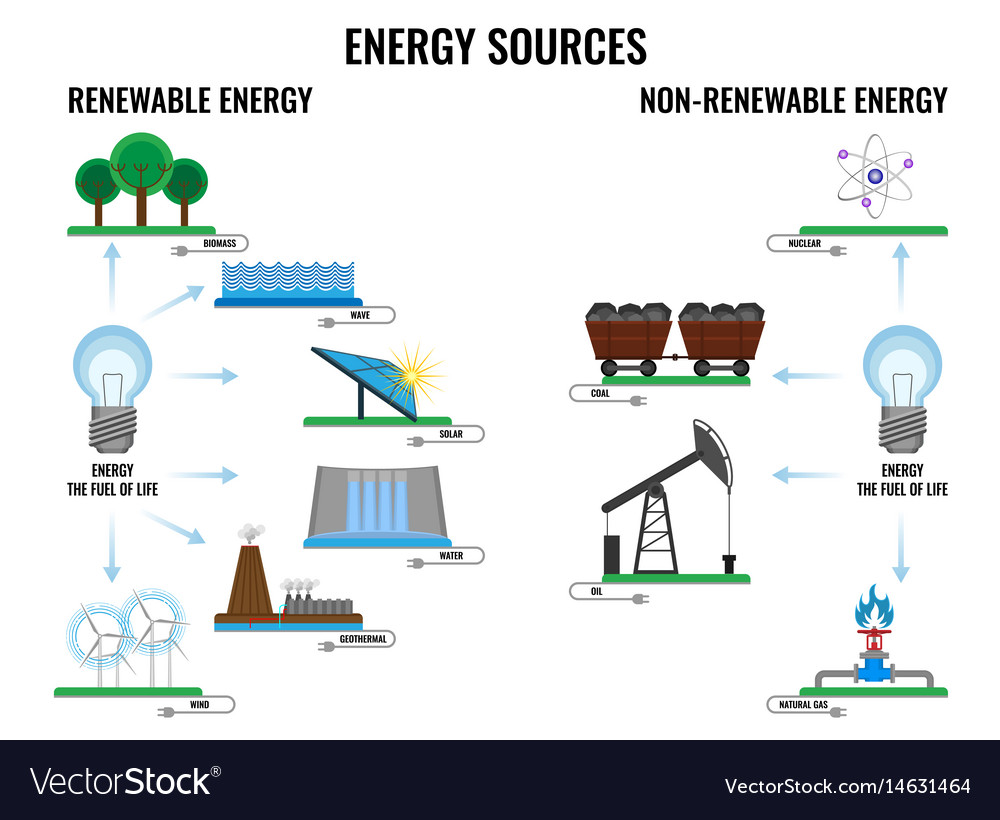
So, what's the big deal? The purpose of energy production is simple: to power our lives! But how we get that power makes all the difference. Non-renewable energy sources are those that exist in limited quantities on Earth. Think of them like a limited-edition comic book; once they're gone, they're gone for good. These include things like coal, oil, and natural gas. They've been formed over millions of years from the remains of ancient plants and animals.
Burning these fossil fuels releases energy, which we use to generate electricity, heat our homes, and fuel our cars. The problem? Burning fossil fuels releases harmful greenhouse gases into the atmosphere, contributing to climate change and air pollution. That’s not ideal for anyone, especially our planet!
Must Read
Now, let's switch gears to the superheroes of the energy world: renewable energy sources! These are like the unlimited refills at your favorite soda fountain; they're naturally replenished and won't run out. The most common examples include solar energy (harnessing the sun's power with solar panels), wind energy (using wind turbines to generate electricity), hydropower (using the power of moving water), geothermal energy (tapping into the Earth's internal heat), and biomass energy (burning organic matter, like wood or crops, for fuel).
The benefits of renewable energy are huge! They produce little to no greenhouse gas emissions, helping to combat climate change. They also reduce our dependence on foreign energy sources, boosting energy independence and security. Plus, renewable energy sources create jobs and stimulate local economies. It’s a win-win-win!
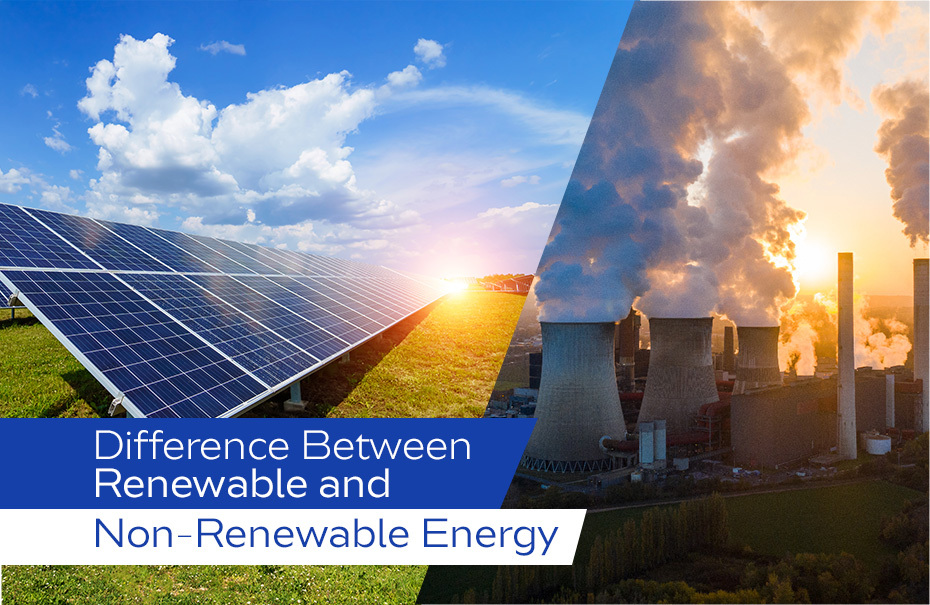
While renewable energy technologies are becoming more affordable and efficient, they do have some challenges. For example, solar and wind energy are intermittent, meaning they're not always available (the sun doesn't shine at night, and the wind doesn't always blow). However, advancements in energy storage technology, like batteries, are helping to address this issue. The future is bright (and powered by the sun and wind!).
In conclusion, understanding the difference between renewable and non-renewable energy is crucial for making informed decisions about our energy future. By supporting and investing in renewable energy technologies, we can create a cleaner, healthier, and more sustainable world for generations to come. So next time you flip a light switch, take a moment to appreciate the energy powering your life and consider the role you can play in building a brighter, greener future!