Imagine trying to measure something so incredibly tiny, it's like finding one specific grain of sand on an entire, sprawling beach. Or picking out a single red sprinkle from a giant bowl of thousands of rainbow sprinkles. That's the scale we're talking about when we discuss PPM on your carbon monoxide detector. It stands for Parts Per Million, and while it sounds like science fiction, it's simply a wonderfully important way of saying, "How much of this invisible gas is floating around in the air I'm breathing?"
Your Home's Tiny, Super-Sensitive Guardian
Think of your carbon monoxide detector as a little superhero, always on watch, but without the cape or theme song. Its superpower? An unbelievably sensitive nose that can sniff out something you definitely can't: carbon monoxide (CO). This sneaky gas is often called the "silent killer" for a very unsettling reason – it's completely colorless, odorless, and tasteless. You wouldn't know it's there until it's tragically too late. That's precisely where PPM swoops in, giving your detector a precise language to whisper (or, more accurately, beep loudly and insistently) about danger before you, or anyone you care about, ever feels a twinge.
When your detector flashes a number like "10 PPM" or "30 PPM," it’s not just random digits. It's essentially shouting a very specific report: "Hey, there are 10 (or 30) tiny little carbon monoxide molecules for every million other harmless air molecules in this room!" It’s like a constant, diligent census-taker for dangerous gases. To put that "million" into perspective, if you had a million shiny pennies, 1 PPM would be just one single penny. Sounds incredibly small, right? But with carbon monoxide, even those minuscule amounts, accumulated over time or in higher concentrations, can become a very serious, life-threatening situation.
It's like having a miniature, super-vigilant bouncer for your home's air supply, constantly checking IDs at the door, making sure no unwelcome guests slip past.
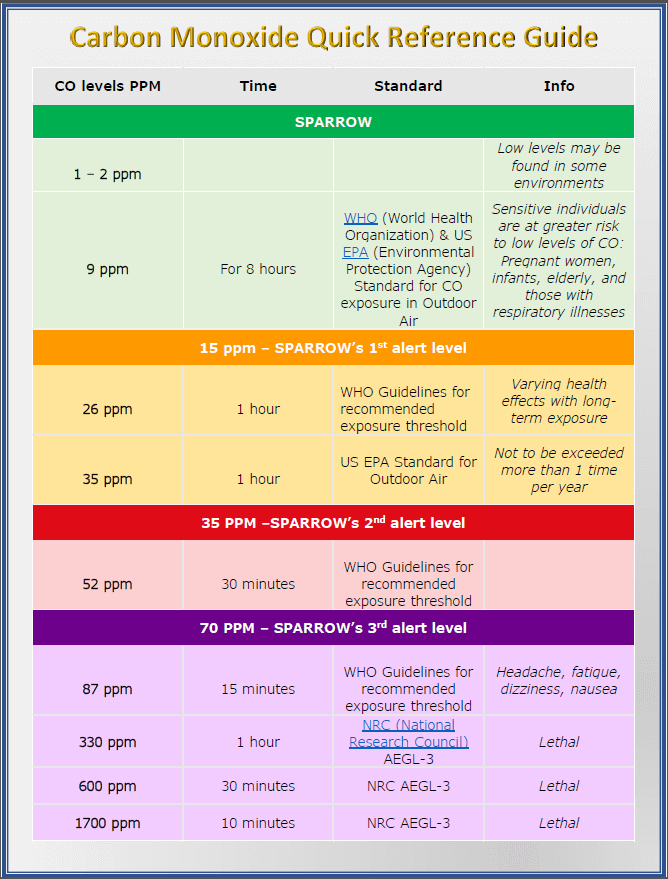
Carbon Monoxide Detector Levels Ppm Uk at Lawrence Henry blog
The Surprising Art of the Subtle Beep
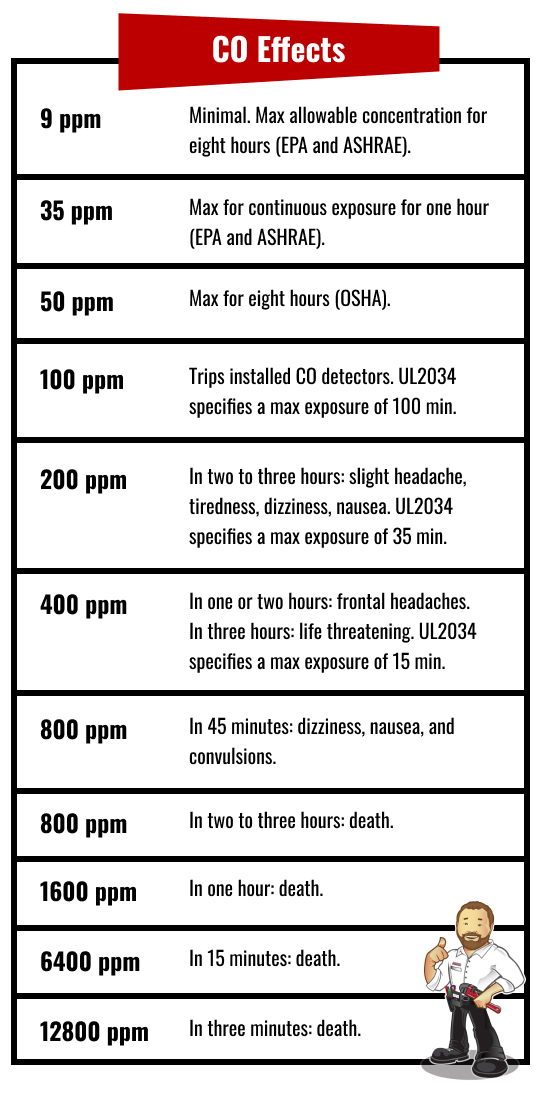
One of the most surprising things about CO is how different levels of PPM affect us. It’s natural to think only huge, dramatic leaks are dangerous. But here’s the eye-opener: even relatively low levels of CO, if you're exposed to them over a long period, can slowly make you quite sick. We're talking persistent headaches, confusing dizziness, nagging nausea, and general fatigue – symptoms often mistakenly shrugged off as a common cold or the flu! This is exactly where your detector’s uncanny ability to measure in PPM becomes truly heartwarming. It doesn't patiently wait for a massive surge. Instead, it’s cleverly designed to respond to both sudden, high-intensity threats and the more insidious, slower, creeping danger that can build up silently over hours.
Imagine a beloved family member, perhaps your grandma, enjoying a quiet afternoon knitting by a slightly older furnace. She feels a little extra tired, maybe a tad lightheaded, but attributes it to a long day. Meanwhile, her trusty CO detector, quietly ticking away, might be registering a steady "25 PPM." This isn't a red-alert, evacuation-level emergency, but it's enough to trigger an alarm after a few hours of continuous exposure. This gentle, insistent warning prompts her to get fresh air and call for assistance – preventing a potentially serious health issue from escalating. This isn't merely about preventing tragedy; it's profoundly about protecting everyday comfort and well-being, catching those subtle, hidden threats before they can cause lasting harm.
Carbon Monoxide Detection Levels at Casey Hall blog
More Than Just a Number: It's Profound Peace of Mind
So, the next time you glance at your carbon monoxide detector, whether it's glowing with numbers or simply offering that reassuring "test" beep, take a moment to truly appreciate what PPM represents. It's not just a dry, technical measure of invisible particles; it's a profound testament to incredible technology working tirelessly, day in and day out, to keep you and your loved ones safe. It’s a tiny, unassuming friend with an enormous, critical job, vigilantly making sure the very air you breathe is clean, healthy, and safe for everyone under your roof – two-legged, four-legged, or otherwise.
It might not be the most exciting gadget in your home, and it certainly won’t win any beauty contests, but your steadfast carbon monoxide detector, with its keen, unblinking eye on every single Part Per Million, is undoubtedly one of the most dedicated and vital. It provides the incredible luxury of allowing you to sleep soundly, knowing that while you're dreaming sweet dreams, a silent, unwavering guardian is standing sentinel, ready to sound the crucial alarm if that invisible, uninvited intruder ever dares to show its dangerous face. And that, dear reader, the gift of profound safety and peace of mind, is truly a heartwarming thought, wouldn't you wholeheartedly agree?