
What Is Plastic Made Out Of

Ever look around your house and realize how much stuff is plastic? From your toothbrush to your car bumper, those amazing, shape-shifting materials are everywhere! It’s like magic, right? Well, today we’re going on a super-duper fun adventure to uncover the not-so-secret secret of what plastic is actually made out of.
Spoiler alert: it’s not glitter and wishes, though it often feels like it should be! Get ready to have your mind gently blown, because the origin story of plastic is a wild ride from way, way back in time.
The Great Ancestor: Earth's Ancient Treasures
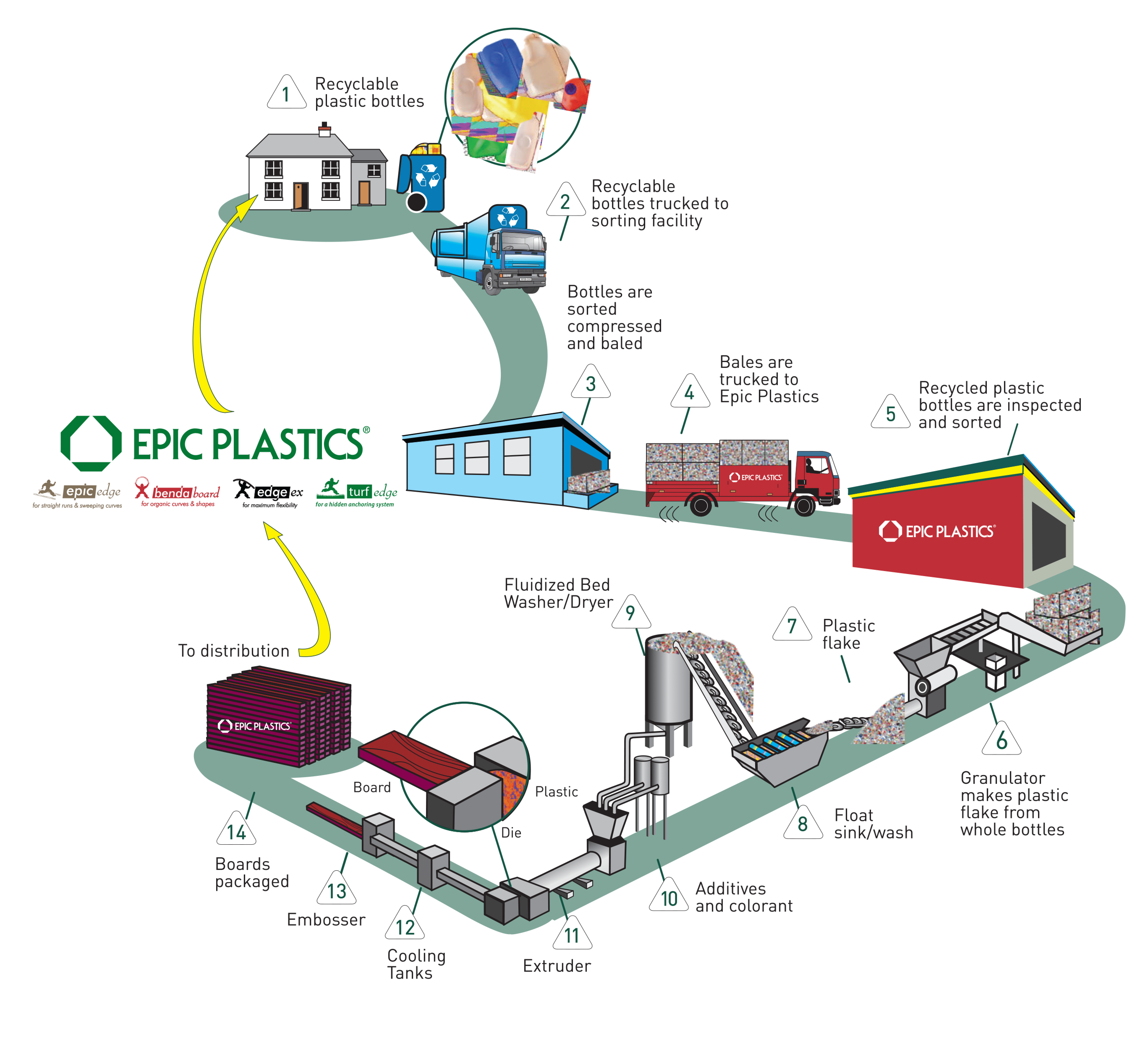
So, where does plastic come from? Brace yourself, because the main ingredient is something we dig out of the ground: oil and natural gas! Yep, the very same stuff that fuels your family car or heats your home.
Must Read
Think about it like this: millions and millions of years ago, tiny little plants and animals lived and died. They sank to the bottom of ancient seas, got buried under layers of rock and dirt, and then — poof! — incredible pressure and heat transformed them.
"It's like Mother Earth decided to bottle up ancient sunshine and dinosaurs for us to play with later!"
This super-slow-motion cooking process turned all that ancient organic goo into the sticky, dark liquid we call crude oil, and the invisible gas we call natural gas. These aren’t just fuel; they are the fundamental building blocks for nearly every plastic item you touch.
From Goo to Giggles: The Cracking Adventure!
Now, we can’t just scoop crude oil out of the ground and mold it into a toy car, right? That would be messy! So, clever scientists and engineers figured out a way to break down this ancient goo into smaller, more manageable pieces.

They put the oil and natural gas through a process called cracking. Imagine you have a giant LEGO castle, and you want to build a tiny spaceship. You wouldn’t just use the whole castle, would you? You’d break it down into individual LEGO bricks.
That’s exactly what cracking does! It uses heat and pressure to break the long, complicated molecules in oil and gas into smaller, simpler ones. These smaller molecules are called monomers. They are like the tiny, individual LEGO bricks of the plastic world.
The most common and important monomers are things like ethylene and propylene. Don’t worry about remembering the fancy names, just know they're the superstars of the plastic building block team!
Building Blocks Unite! The Polymer Party
Once we have our perfect little monomers, the real magic begins! These tiny building blocks are like super-friendly party-goers who absolutely love to hold hands and form long, long chains. When they link up, they create something truly special: a polymer.
Think of it as stringing together thousands of tiny beads to make a really, really long necklace. Each bead is a monomer, and the whole necklace is a polymer!
"Polymers are basically super-long, super-strong molecular chains that can be twisted, turned, and shaped into almost anything!"
These incredibly long chains of monomers are what we call plastic. The type of plastic we get depends on which specific monomers are used and how they link up. It’s like having different types of LEGO bricks and building different structures with them.
The Many Faces of Plastic: A Family Reunion!
Because there are so many different kinds of monomers and ways they can link, we have a whole rainbow of plastics, each with its own special powers!
For example, if you link together lots of ethylene monomers, you get Polyethylene. This is the king of plastic bags, milk jugs, and squeeze bottles – super flexible and common!
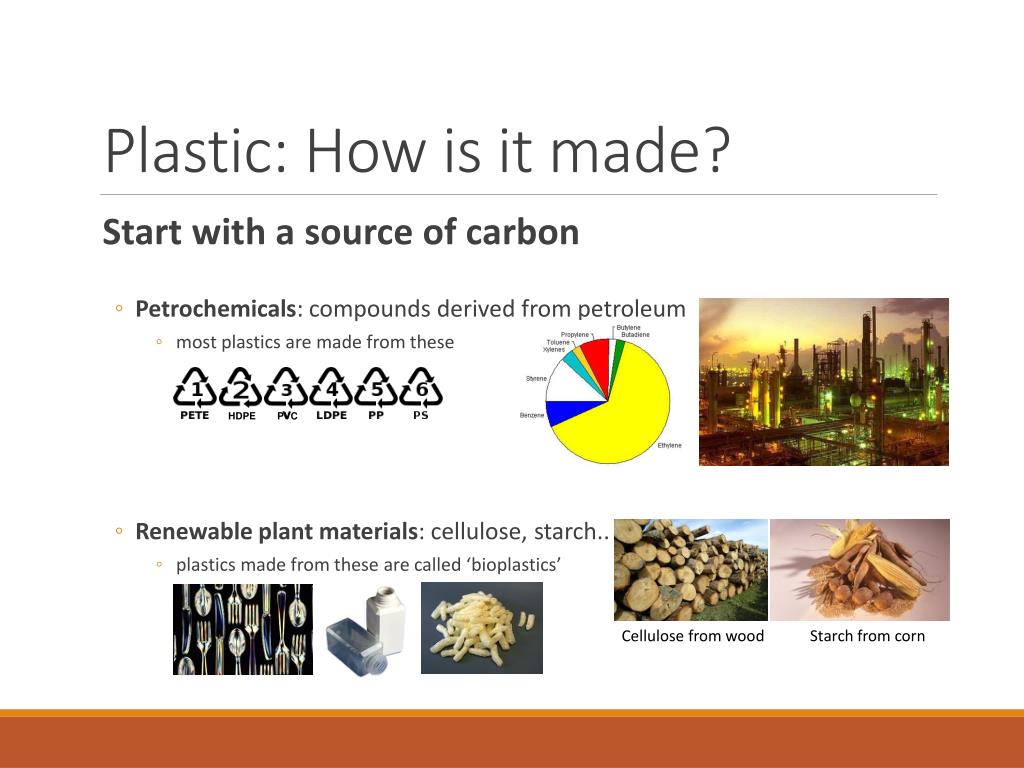
If you use propylene monomers, you get Polypropylene. This one is tough and heat-resistant, perfect for things like yogurt containers, bottle caps, and even car parts. It's the sturdy, reliable cousin.
Then there’s PVC (Polyvinyl Chloride), which uses vinyl chloride monomers. This plastic can be hard for pipes or soft for inflatable pool toys – a true chameleon!
And let’s not forget PET (Polyethylene Terephthalate). This super clear and strong plastic is the star of soda bottles and food containers. It’s the one that lets you see all the fizzy goodness inside!
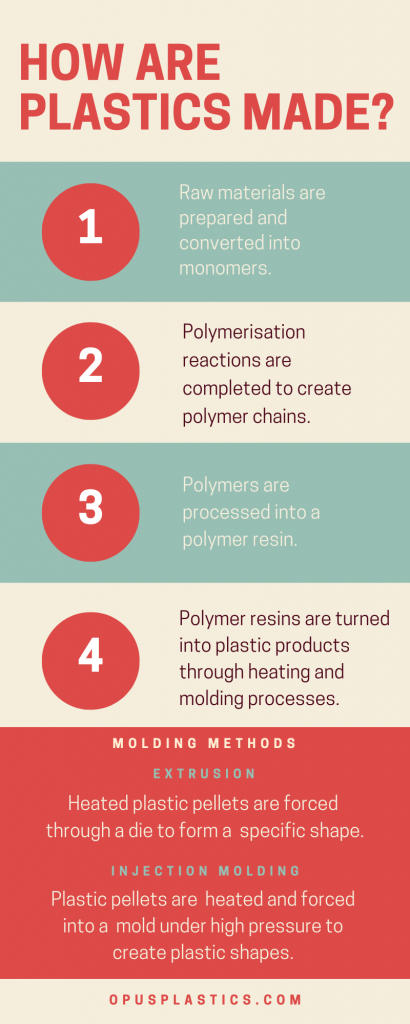
Each of these polymers starts as tiny pellets – little plastic grains that look a bit like rice or sprinkles. These pellets are then melted down and molded, blown, or squeezed into all the fantastic shapes we see every day.
The Grand Finale: From Earth to Your Everyday
So, the next time you pick up a plastic water bottle, a toy, or even your phone case, remember its incredible journey. It started as ancient organic matter, cooked deep within the Earth for millions of years.
Then, clever humans extracted it, broke it down into tiny building blocks, and then painstakingly linked those blocks together into amazing, versatile chains.
It's a story of ancient energy transforming into modern convenience, all thanks to the humble monomers linking up to form incredible polymers. Who knew plastic had such a dramatic origin story?
From gooey prehistoric soup to the slick, colorful items in your life, plastic truly is one of humanity’s most fascinating, and sometimes exaggeratedly useful, inventions. Now you know its awesome secret!