
What Is Not A Function Of A Lipid
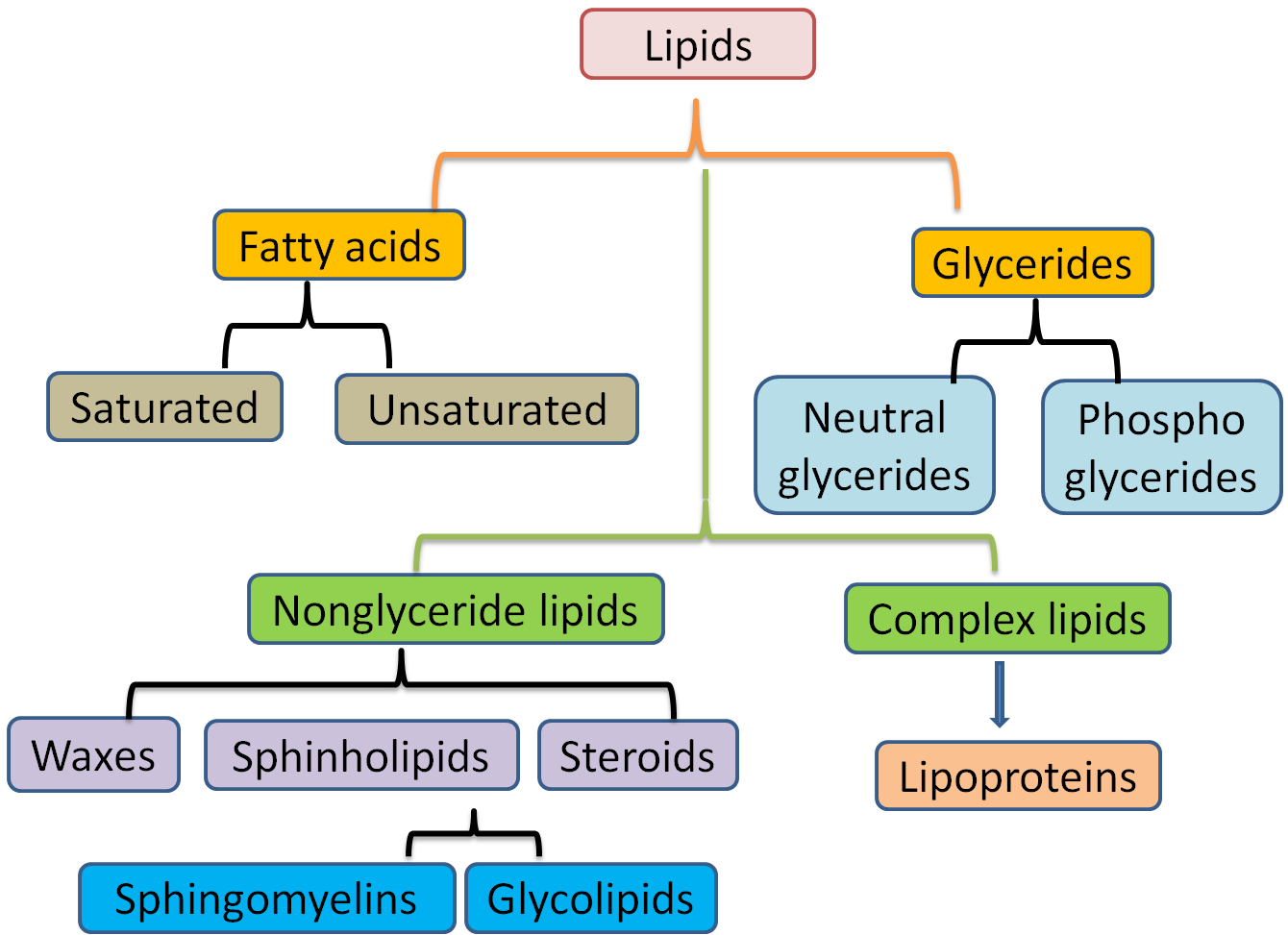
Lipids. We hear the word and maybe shudder, picturing greasy fast food. But hold on! Lipids, better known as fats, are actually rockstars of the biological world. They do so much for us, from keeping us warm to helping us absorb vitamins. But even rockstars have their limits. Let’s explore what lipids don't do.
The Lipid Life: What They ARE Good At
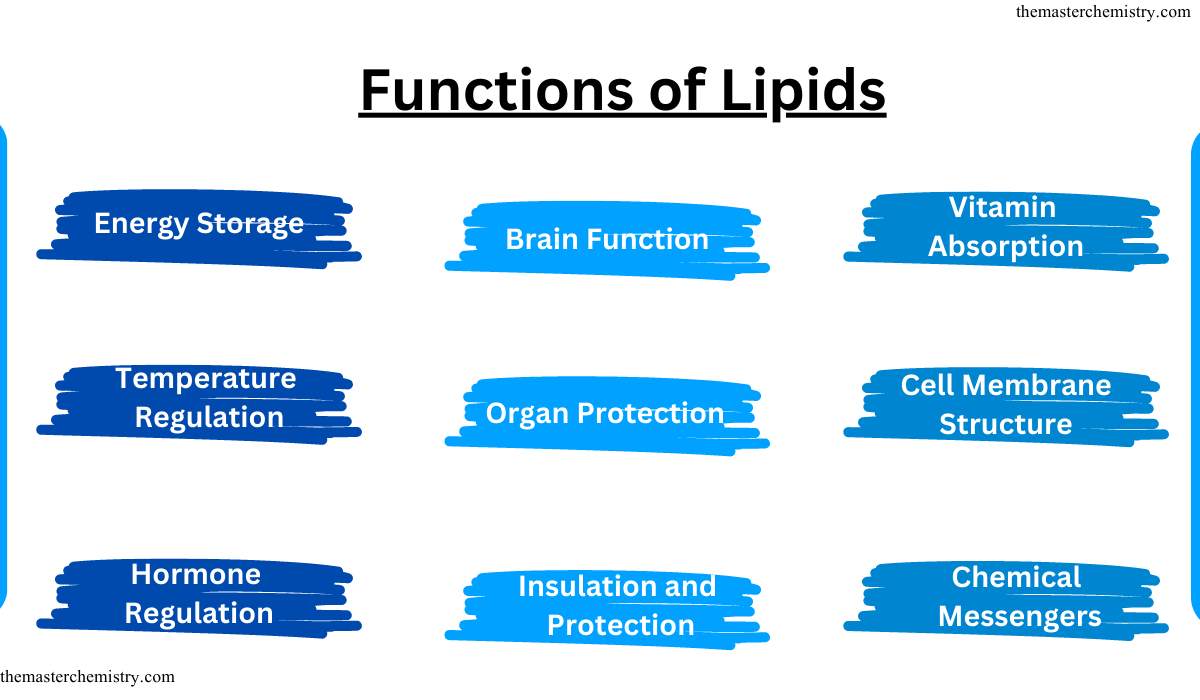
First, let's appreciate lipids for their amazing skills. Imagine them as tiny insulation experts. They form a layer under our skin, keeping us cozy in winter – a natural, biological blanket! Think of polar bears thriving in freezing temperatures – thank you, lipid layers!
Next, they're like miniature moving vans, delivering vital cargo. Lipids help us absorb vitamins A, D, E, and K. Without them, those nutrients would just pass right through us, a tragic waste of good vitamins!
Must Read
And, of course, energy! Lipids are a concentrated source of fuel. They're like the emergency power generators for our bodies. They kick in when we need extra energy, a lifesaver when we're burning the midnight oil.
The Unexpected Role: Cell Structure
Did you know lipids also play a starring role in building our cells? The cell membrane, that crucial barrier around each cell, is largely made of a special kind of lipid called a phospholipid. These act like tiny security guards, controlling what enters and exits the cell.
So, What Can't Lipids Do? The List Begins
Okay, enough with the lipid praise. Now for the fun part: what lipids don't do. One thing they absolutely can't do is conduct electricity very well. Imagine trying to power your phone with olive oil. Disaster! Lipids are insulators, the opposite of conductors.
Think of trying to use butter to rewire your house. Yikes! Electricity would laugh and find another path. So, leave the electrical work to the professionals, and keep the lipids in the kitchen (or, you know, in your body, doing their important jobs).
And here's another thing: lipids are terrible at dissolving in water. Remember trying to mix oil and vinegar for salad dressing? They separate! That's because lipids are hydrophobic, meaning they "fear" water. They'd rather hang out with other lipids.
They Aren’t Good for Structural Support
Lipids don't really do a great job providing structural support in the way bones or cartilage do. Imagine trying to build a skyscraper out of butter. It would melt, collapse, and be a sticky mess! Structures need strong materials like proteins or minerals, not squishy fats.
Bones are made of calcium and other minerals. They are rock solid! Lipids, on the other hand, are soft and pliable. Thank goodness for bones, or we'd all be shapeless blobs!
While lipids do provide cushioning, they don't create the framework of support. Think of it like a comfy mattress. It's nice to have, but it needs a bed frame to actually function.
Thinking and Feeling? Not a Lipid Specialty
Here’s a big one: lipids aren't directly responsible for thinking or feeling. That's the job of our brains, which rely on complex electrical and chemical signals. These are managed by neurons and neurotransmitters.

While lipids are part of the brain's structure, especially in the myelin sheath that insulates nerve cells, they aren't the main actors in the thinking and feeling show. It's like saying bricks are responsible for the plot of a play because they make up the theater.
Those complex thoughts and emotions come from intricate neural networks. Lipids simply support the infrastructure. So, blaming your bad decisions on too much fat in your diet? Probably not the whole story.
Lipids can’t carry genetic information
Lipids are not involved in carrying genetic information. The DNA and RNA molecules are the information carriers. They dictate the biological instructions for the cells.
Imagine lipids trying to store the blueprint for your entire being. It would be like trying to write a novel on a stick of butter – messy and ultimately unreadable. DNA, with its elegant double helix, is the true record keeper.
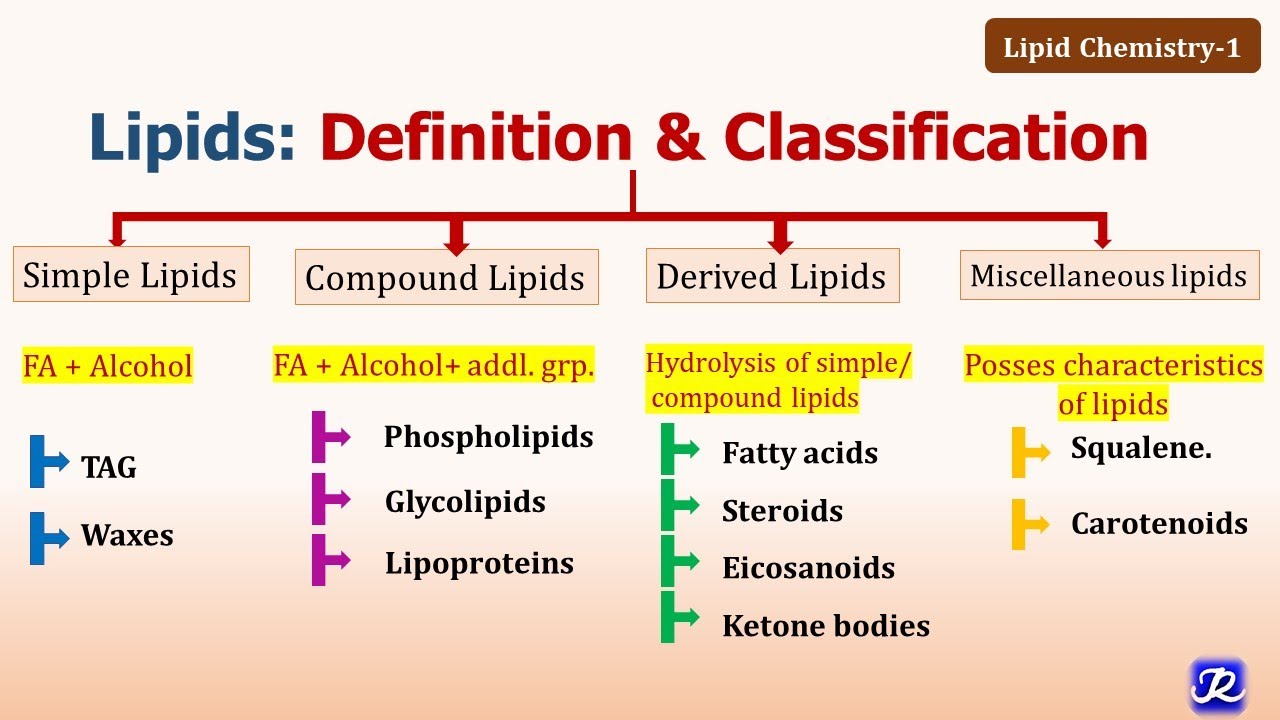
While lipids can influence gene expression to some extent, they aren't the primary carriers of the genetic code. Think of them as supporting actors, not the star of the show.
Speedy Reactions? Lipids Are Too Slow
Need a quick reaction? Don't rely on lipids. They're great for long-term energy storage and insulation, but they're not built for speed. Think of it like this: lipids are the tortoise, while carbohydrates are the hare in the energy race.
For quick bursts of energy, our bodies prefer to use carbohydrates. They are broken down quickly. Lipids, on the other hand, take longer to digest and convert into energy. They're like a slow-burning fuel source.
For instance, the instant you sprint, your body uses glucose which is not lipids. Lipids are more like the long-distance runner, providing sustained energy over time.
They cannot act as enzymes
Lipids do not usually act as enzymes, the biological catalysts that speed up chemical reactions in the body. Enzymes are usually proteins. They have specialized active sites that allow them to bind to reactants and lower the activation energy of reactions.
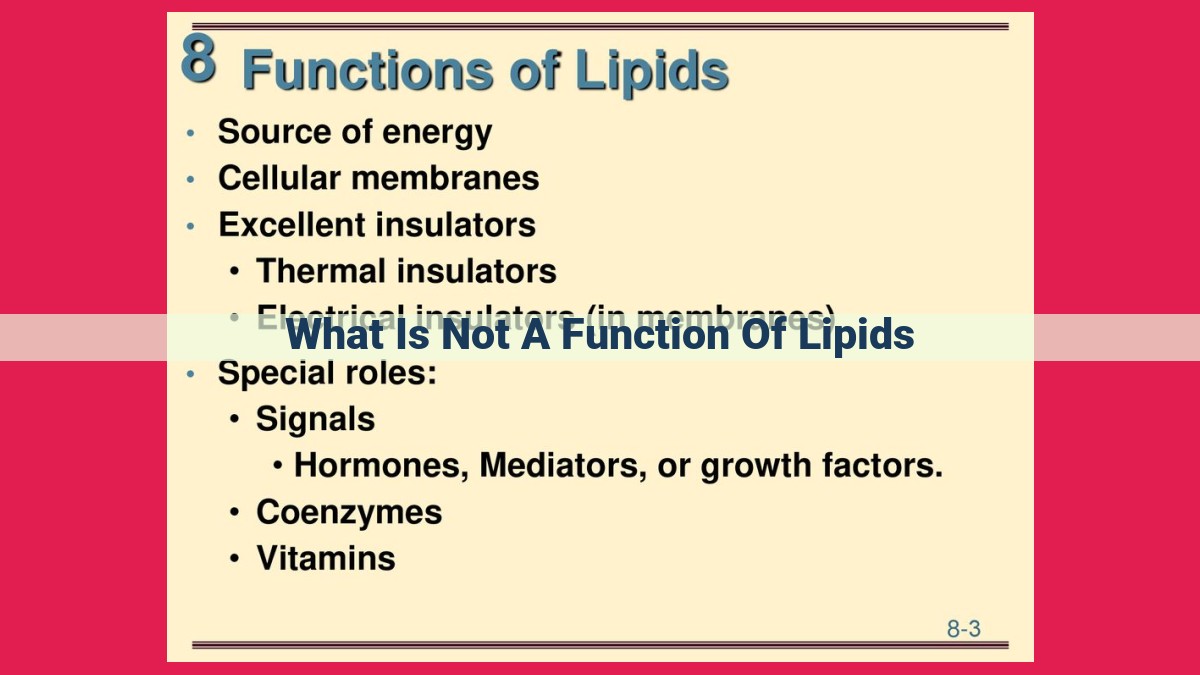
Imagine lipids trying to perform the complex task of an enzyme. It would be like asking a hammer to thread a needle. While a hammer is a useful tool, it's not designed for delicate work.
Enzymes are the unsung heroes of our bodies, making life possible through their efficient catalysis. Lipids simply don't have the right structure or properties to fill this vital role.
The Bottom Line: Appreciate the Lipid Package
So, while lipids are amazing, they aren't miracle workers. They have their strengths and weaknesses, just like the rest of us. They are wonderful at insulation, energy storage, and cell structure, but they're terrible at conducting electricity, dissolving in water, providing structural support, carrying genetic information, or acting as quick-reaction fuels.
The key is to understand what lipids can do and appreciate their essential role in our bodies. They're part of a complex and fascinating system, each component playing its part.
Now, next time you see a lipid, don't just think "fat." Think "insulation expert," "energy reservoir," and "cell membrane guardian." And remember, even rockstars have their limitations!