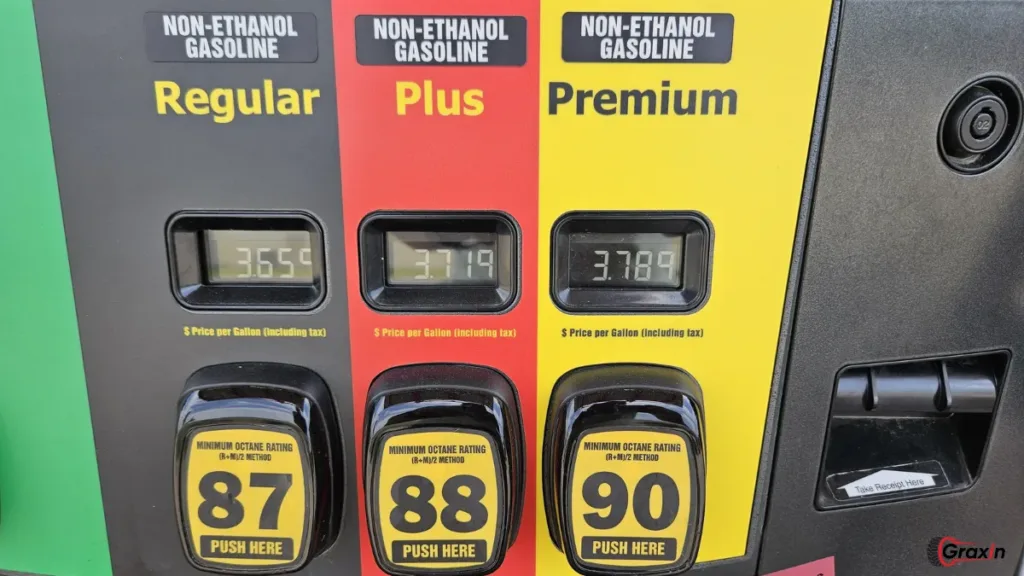
What Is Non Ethanol Gas Used For
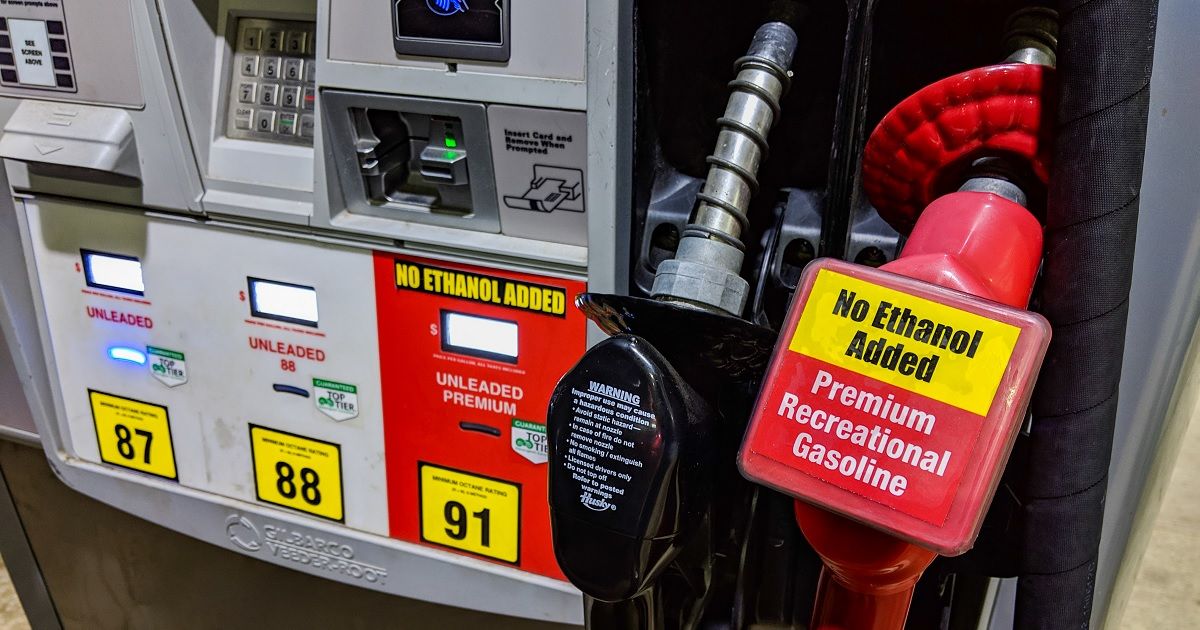
Hey there, friend! Grab another mug, because we need to chat about something that might just save you a ton of headaches, and maybe even a few angry shouts at your lawnmower. We're talking about non-ethanol gas. Sounds super techy, right? But trust me, it’s actually pretty simple once you get past the fancy name. Think of it as a secret weapon for certain engines.
So, you know how most gas stations these days have that little sticker saying "contains up to 10% ethanol"? That's basically alcohol mixed into your fuel. Now, for your everyday car, usually not a huge deal. Modern cars are built to handle it. But for a whole bunch of other cool stuff? Oh boy, that ethanol can be a real party pooper, a mischievous little gremlin, if you will.
Why is Ethanol a Foe for Some Engines?
Alright, let’s get into the nitty-gritty without getting too bogged down in chemistry class flashbacks. Basically, ethanol has a few superpowers, but they're more like super-villain powers when it comes to older or smaller engines. First off, it’s a total sponge for water. And what happens when water gets into your fuel system? Rust! Corrosion! Engine failure! Not fun, my friend. Not fun at all.
Must Read
Secondly, ethanol is a bit of a bully when it comes to certain materials. It loves to eat away at rubber and plastic components that weren't designed to withstand it. Think about the fuel lines, gaskets, and carburetors in older engines. They basically throw their hands up and say, "Nope, not dealing with this!" before dissolving into a sticky mess. Imagine trying to run a marathon with melting shoes. Yeah, not ideal.
And third, it doesn't store well. Ethanol-blended fuel can go bad, or "phase separate," surprisingly quickly. That means if you leave it sitting in a tank for months (like, say, over winter), it can turn into a gunk-filled nightmare that clogs everything up. A nightmare fuel, literally!

So, Who's on the "Non-Ethanol Only" Guest List?
This is where our hero, non-ethanol gas, steps in! It’s like sending your precious machines to a spa day, rather than a demolition derby. Here’s a quick rundown of the prime candidates who absolutely thrive on the good stuff:
Small Engines (Your Weekend Warriors)
This is probably the biggest category, and where most people get caught out. We're talking about your lawnmowers (push, riding, robotic – they all appreciate it!), your weed whackers, leaf blowers, chainsaws, pressure washers. Basically, anything with a little engine that you might store for weeks or months between uses. These guys are super sensitive to ethanol's destructive ways. Switching to non-ethanol gas is like giving them an extra decade of life. Seriously!
Classic Cars & Motorcycles (The Timeless Beauties)
Got a vintage beauty in the garage? A muscle car from the 70s? A sweet little cruiser from the 60s? Their fuel systems were designed long before ethanol was a common additive. Pouring regular pump gas into them is like asking an antique teacup to hold boiling lava – it's just not going to end well. Non-ethanol keeps their delicate, original parts happy and prevents costly rebuilds. Preservation is the name of the game here!

Boats & Marine Engines (Because Water is Already Enough of a Problem!)
Okay, this one is huge. Boats are constantly exposed to moisture, right? And what did we say ethanol loves? Water! So, putting ethanol gas in a boat is practically inviting trouble. It separates, creates sludge in the fuel tank, and can wreak absolute havoc on marine engines. Using non-ethanol fuel for your boat is less of a suggestion and more of a lifeline. It’s peace of mind when you’re out on the open water. You definitely don’t want to be stranded because of dodgy fuel, do you?
Recreational Vehicles (ATVs, Snowmobiles, Dirt Bikes)
Much like small engines, these often sit for extended periods between seasons. That dreaded phase separation? It’s a real threat. Non-ethanol gas helps them start reliably after sitting all summer or all winter, meaning more fun and less fiddling with carburetors. More throttle, less trouble, as they say!
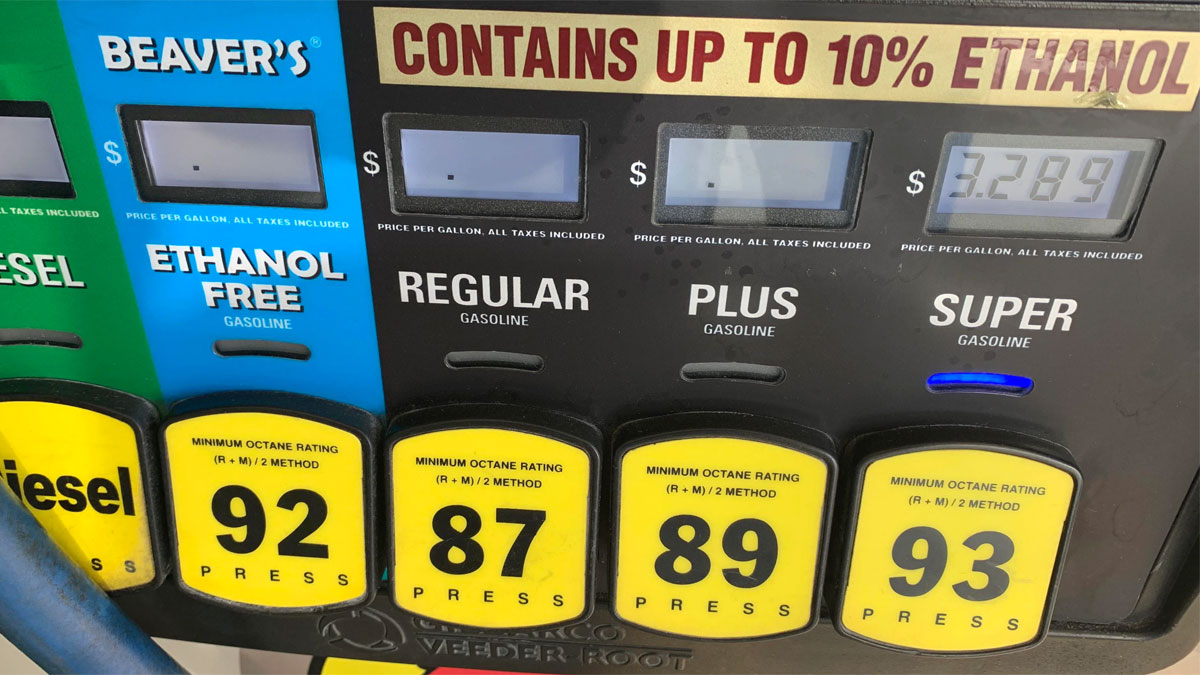
Generators (Your Emergency Lifeline)
Think about your emergency generator. You absolutely, positively need it to start when the power goes out, right? You don't want it sputtering and dying because the fuel you stored in it for six months turned into a gooey mess. Non-ethanol gas ensures that when you truly need it, your generator will spring to life, no drama. It's an investment in reliability, pure and simple.
The Takeaway: It's About Protection and Peace of Mind
So, while non-ethanol gas might cost a tiny bit more per gallon, think of it as premium insurance for your valuable engines. It significantly extends their lifespan, reduces maintenance issues, and gives you the sweet, sweet satisfaction of knowing you're doing right by your machines. No more dreading that first pull on the lawnmower after winter, no more worrying about your boat's engine on a long trip.
Next time you're filling up a gas can for your tools or topping off your classic car, take a moment. Are you giving it the fuel it deserves? Chances are, if it's not your daily driver, a little non-ethanol love goes a very long way. Trust me, your engines will thank you, and you'll save yourself a world of hassle. Now, about that second cup of coffee...