What Is Nickel Metal Used For

Okay, imagine this: you're making dinner, maybe wrestling a particularly stubborn jar lid, and you glance down at your gleaming kitchen sink. Or perhaps you're scrolling through your phone, admiring its sleek, metallic finish. Ever stopped to wonder what gives these everyday objects their incredible strength, their resistance to rust, or even their ability to hold a charge for hours? If you're anything like me, probably not! We just expect them to work, right?
Well, prepare to have your mind gently blown, because there’s a quiet, unassuming hero working behind the scenes in countless things we use daily. It’s a metal you probably rarely, if ever, think about: nickel. And trust me, it’s far more interesting and vital than you might imagine. Let's dig in, shall we?
The Unsung Hero of Stainless Steel
Let’s start with that kitchen sink, or your cutlery, or that shiny pot you use for pasta. A huge chunk of the nickel produced globally (we're talking two-thirds!) goes into making stainless steel. Yep, that super durable, rust-proof material is often a clever alloy of iron, chromium, and—you guessed it—nickel.
Must Read
Nickel is the secret sauce here. It makes stainless steel stronger, more ductile (easier to shape without breaking, which is great for manufacturing), and critically, massively more corrosion-resistant. Without nickel, your "stainless" steel might start looking a lot less "stainless" after a few washes. So, next time you see something gleaming in your kitchen, give a nod to nickel for doing all that heavy lifting!
Powering Our World: Batteries!
Now, let’s talk about something a bit more… electrifying. Nickel is a critical component in many of today’s rechargeable batteries. We’re talking about the kind that power your laptop, your cordless tools, and most notably, electric vehicles (EVs) and hybrid cars.
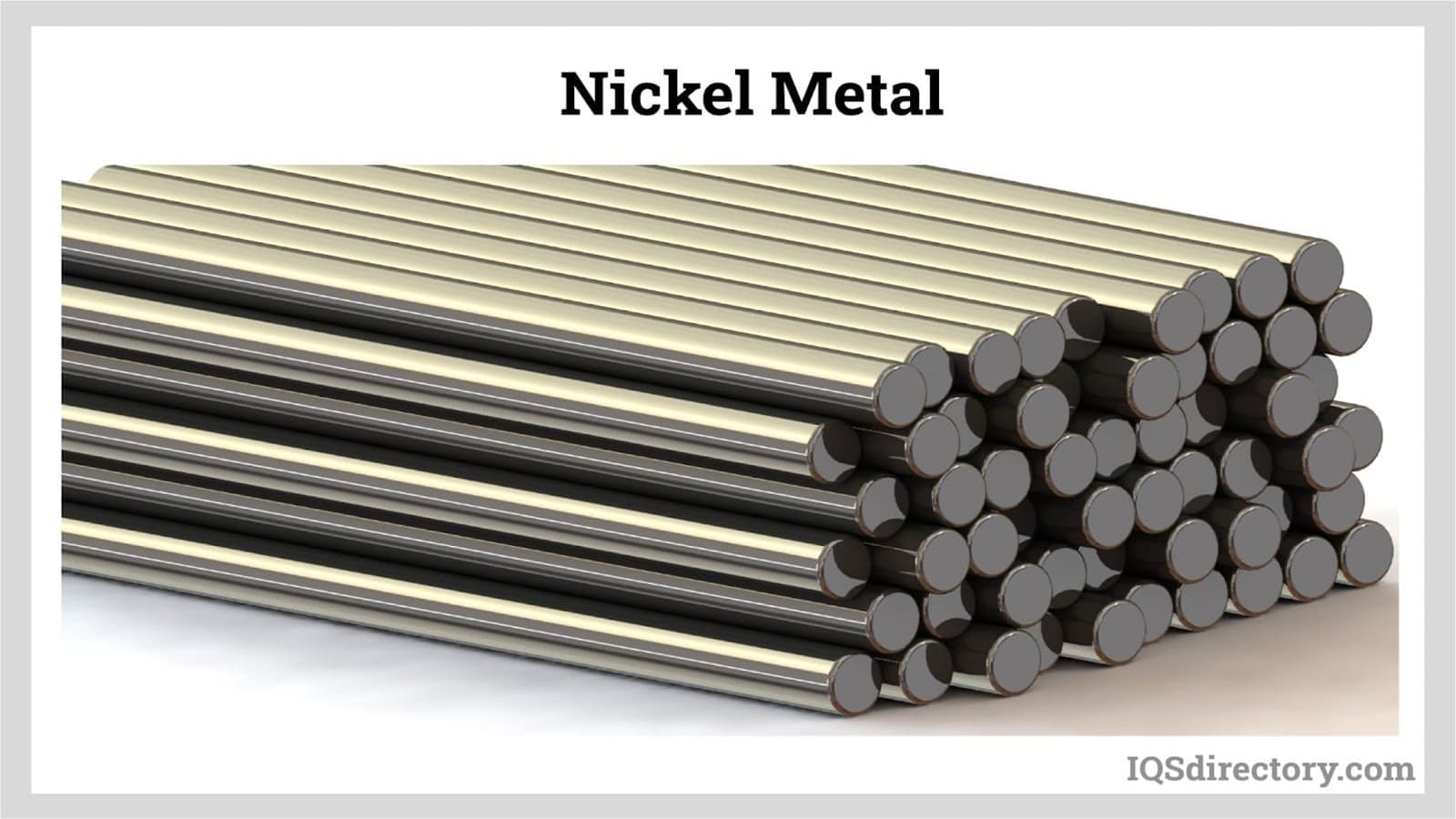
Specifically, nickel-manganese-cobalt (NMC) and nickel-cobalt-aluminum (NCA) battery chemistries rely heavily on nickel to increase energy density. This means your EV can go further on a single charge, and your phone battery lasts longer. With the world shifting towards green energy and electric transport, the demand for nickel in batteries is absolutely skyrocketing. It's truly a metal fueling the future, isn't it?
Extreme Engineering: Superalloys
Ever marvel at a jet engine or wonder what materials make space travel possible? You can bet nickel is playing a starring role. When mixed with other elements like chromium, cobalt, and molybdenum, nickel forms superalloys. These aren't your average metals; they're designed for extreme conditions.
Think about jet engines: they operate at incredibly high temperatures and under immense stress. Nickel superalloys maintain their strength and integrity even when things get ridiculously hot. This makes them indispensable for aerospace, power generation (like gas turbines), and even in some chemical processing plants where things get a bit… fiery. Pretty cool for a metal you've likely overlooked!
Looking Good & Making Change: Plating and Coins
Nickel isn’t just about raw strength and high-tech applications. It’s also a bit of a looker! Nickel plating is a common process where a thin layer of nickel is applied to other metals. Why? For a few reasons: it provides a bright, attractive finish (think chrome-like shine), adds another layer of corrosion resistance, and can even make a surface harder.
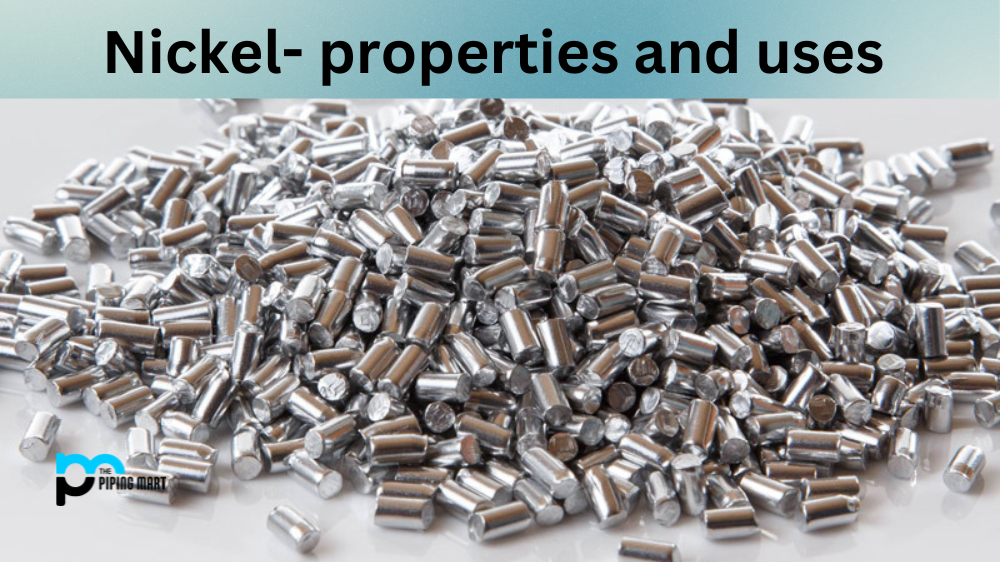
You'll find nickel plating on everything from plumbing fixtures to bicycle parts and even some jewelry (though folks with nickel allergies need to watch out for that!). And speaking of everyday items, nickel has long been a key ingredient in coins around the world – hence the name "nickels" for certain denominations, especially in the US and Canada. It gives them durability and that recognizable metallic luster.
The Quiet Achiever: Other Cool Uses
Believe it or not, there's even more! Nickel is also used as a catalyst in various chemical reactions, helping to speed them up, like in the production of plastics or hardening of vegetable oils. It's present in some types of magnets and plays a role in certain electronic components, ensuring good electrical conductivity.
So there you have it. From the humblest spoon to the most advanced jet engine, from the phone in your hand to the car in your garage, nickel is truly everywhere, quietly making our modern lives possible. Who knew a humble, silvery-white metal could be such a superstar? It just goes to show, sometimes the most important things are the ones we least expect!