
What Is Mig Welding Best For
Ever looked at something around your house – maybe a wobbly garden gate, a rusty old grill begging for a second life, or even a cherished piece of metal art that’s seen better days – and thought, "If only I had a magic wand to fix that!" Well, friend, while we can't promise a wand, we can introduce you to something pretty close in the world of metal-joining: MIG welding. And trust us, it’s far less intimidating than it sounds!
Think of welding not as some dark art performed in smoky garages, but as a superpower. A superpower that lets you mend, create, and build with metal, transforming a pile of parts into something sturdy and new. And if welding is a superpower, then MIG is arguably the friendliest, most approachable hero on the team. So, let’s peel back the curtain and see what MIG welding is best for, and why you might just fall in love with it.
So, What Exactly Is MIG Welding?
Alright, let’s get the technical jargon out of the way – or rather, let's simplify it! MIG stands for Metal Inert Gas. Basically, you've got a continuous wire electrode that feeds through a welding gun, and it creates an electric arc between the wire and your metal workpiece. This arc melts both the wire and the base metal, creating a puddle that fuses together as it cools. All the while, an inert gas (like argon) flows out of the gun to protect that molten puddle from pesky oxygen in the air, which would otherwise ruin your weld.
Must Read
Still sounds a bit much? Here's the simpler version: Imagine a super-powered hot glue gun for metal. Or, perhaps, a very efficient sewing machine that uses molten metal thread instead of fabric thread. You point, you press the trigger, and a strong, clean seam forms. See? Not so scary!
Where Does MIG Shine Brightest?
MIG welding isn't just one-trick pony; it’s a versatile champion. Here’s why it’s often the go-to choice for so many:
1. It's the Speed Demon of Welding
Got things to fix or build and not a whole lot of time? MIG is your huckleberry. Because the wire feeds continuously, you don't have to stop and change electrodes like you do with stick welding. This means you can lay down a bead of weld much, much faster. Think about it: If you're building a picnic table out of steel, or repairing a broken trailer hitch on your farm, that speed means you get back to enjoying your weekend quicker. It’s like the difference between meticulously hand-sewing a garment versus zipping it through a sewing machine. Time is money (or more importantly, time is fun!), and MIG saves you plenty of it.
2. The Beginner's Best Friend
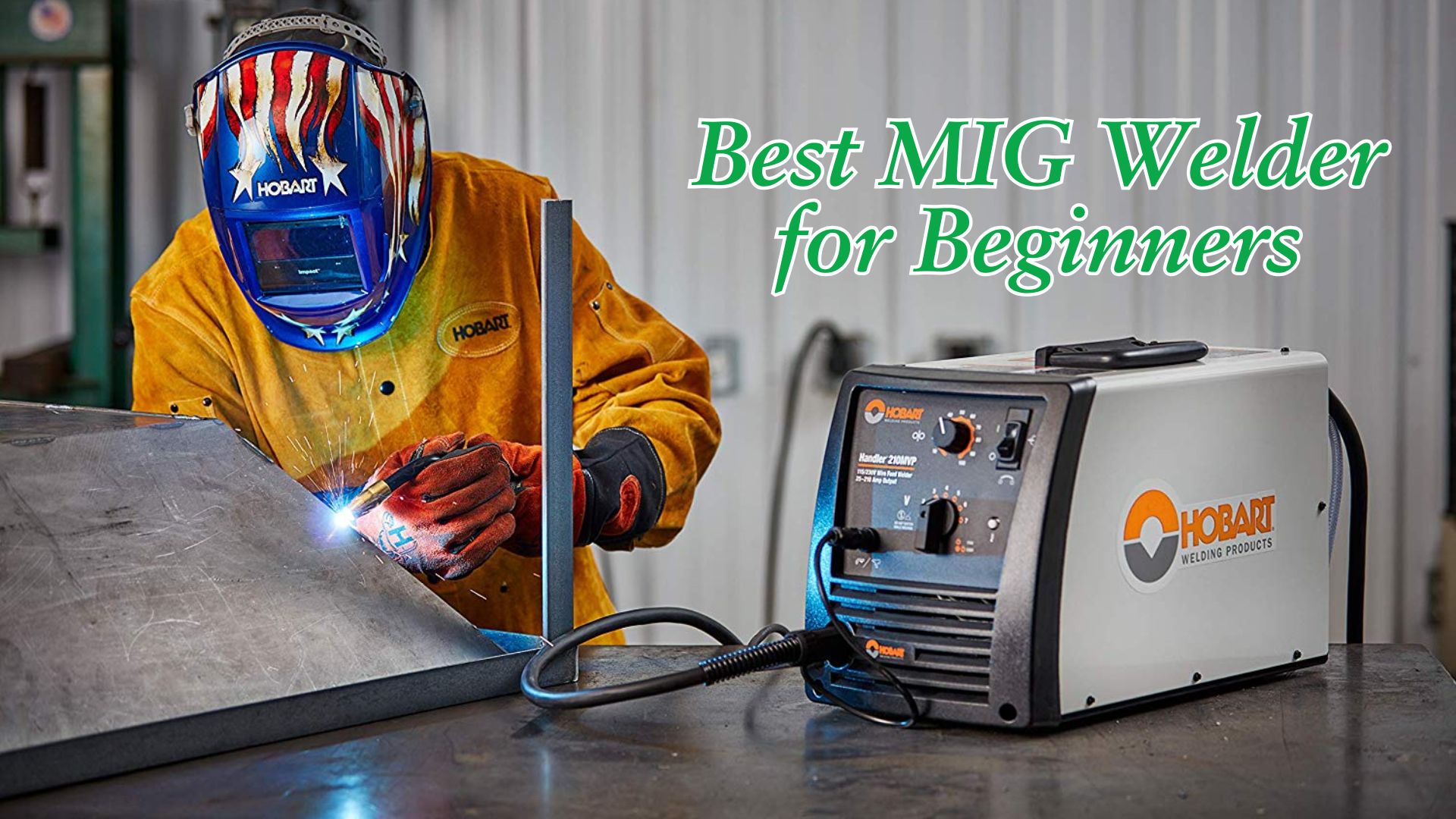
One of MIG's most endearing qualities is its user-friendliness. If you’ve ever been curious about welding but felt intimidated, MIG is often the recommended starting point. The technique is relatively straightforward: you set your machine, point the gun, and pull the trigger. There's less struggle with maintaining a consistent arc or chipping away slag (the crusty residue left by some other welding processes). It's forgiving, making it perfect for weekend warriors, DIY enthusiasts, and anyone just getting started. It’s the Golden Retriever of welding – friendly, enthusiastic, and eager to please!
3. Versatility for Your Everyday Projects
What can you weld with MIG? A surprising amount! It’s fantastic for welding
- Fixing that
rusty barbecue grill frame instead of tossing it. - Building a sturdy, custom
garden gate or trellis. - Repairing your
lawnmower deck or farm equipment. - Tackling
automotive bodywork or exhaust repairs. - Creating cool
metal art or furniture for your home.
MIG lets you be the architect of your own sturdy, metallic dreams.
4. Clean Welds and Pretty Finishes
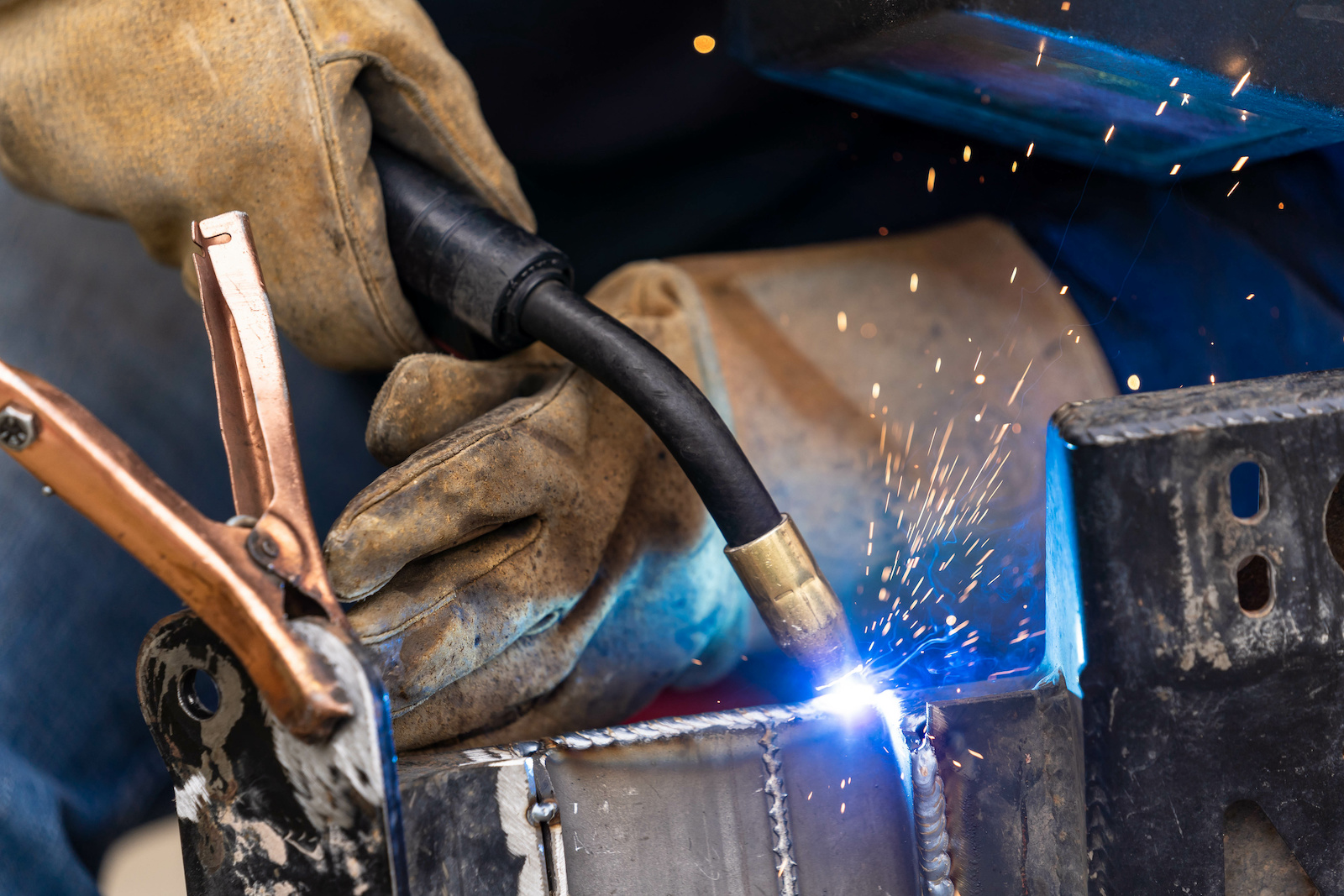
Because of that protective gas we talked about earlier, MIG welding produces welds that are generally much cleaner and have less splatter compared to stick welding. This means less time spent grinding and cleaning up your finished piece, which is always a bonus! Imagine building a sleek, modern bookshelf. You want clean, smooth lines, not lumpy, messy joints. MIG helps you achieve that polished, professional look, even if you’re just tinkering in your garage. Turning 'oops' into 'nailed it!' has never looked so good.
Why Should YOU Care?
So, why is all this important to you, the everyday reader? Because MIG welding empowers you. It turns frustration into creation. That thing you were going to throw out? You can fix it. That custom piece of furniture you always dreamed of? You can build it. It gives you a sense of accomplishment and self-reliance that's incredibly satisfying.
Whether you're a homeowner looking to tackle repairs, a hobbyist with a passion for building, a farmer who needs quick fixes on the fly, or an aspiring artist who wants to sculpt with metal, MIG welding offers an accessible entry point into a rewarding skill. It's about bringing your ideas to life, making things stronger, and adding a touch of your own craftsmanship to the world. So, next time something metal breaks, instead of sighing, you might just find yourself thinking, "Hmm, I bet a little MIG could sort that right out!"
