
What Is Met Ed Electric Rate
Okay, spill the beans. You ever stare at your electric bill, specifically the one from Met-Ed, and think, "What in the actual lightning bolt is going on here?" Yeah, me too! It’s not just a number, right? There’s a whole universe of… stuff… behind those dollars and cents. And today, my friend, we’re going to untangle the mystery of the Met-Ed electric rate over a virtual cup of coffee. Or tea, if you're feeling fancy.
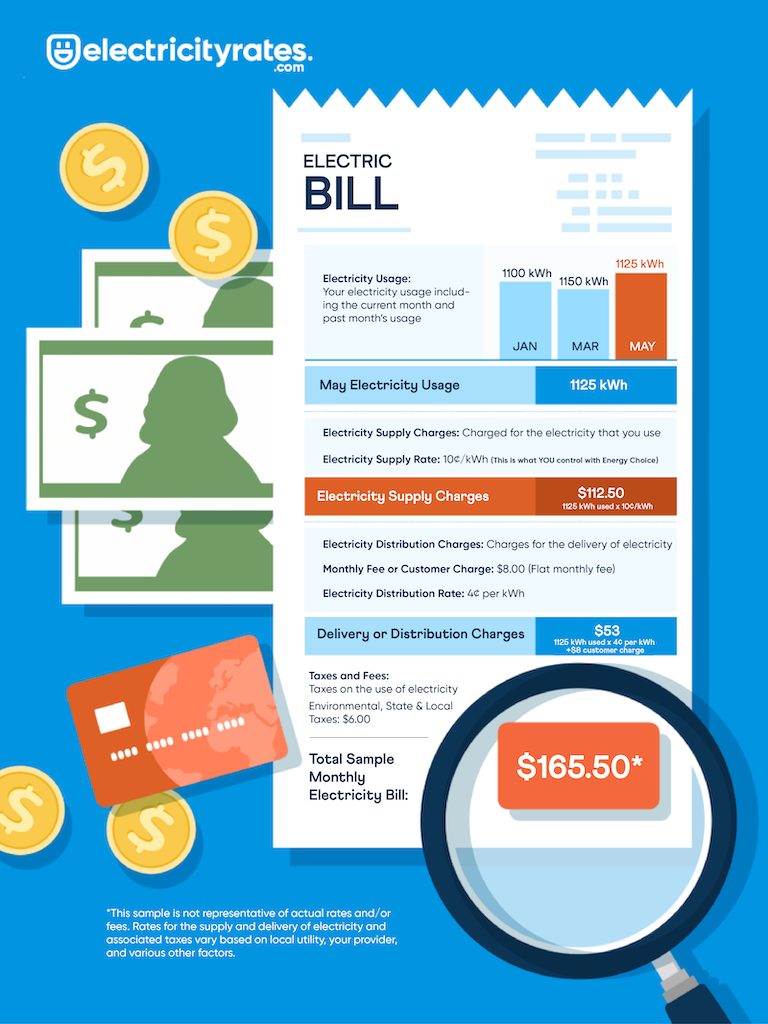
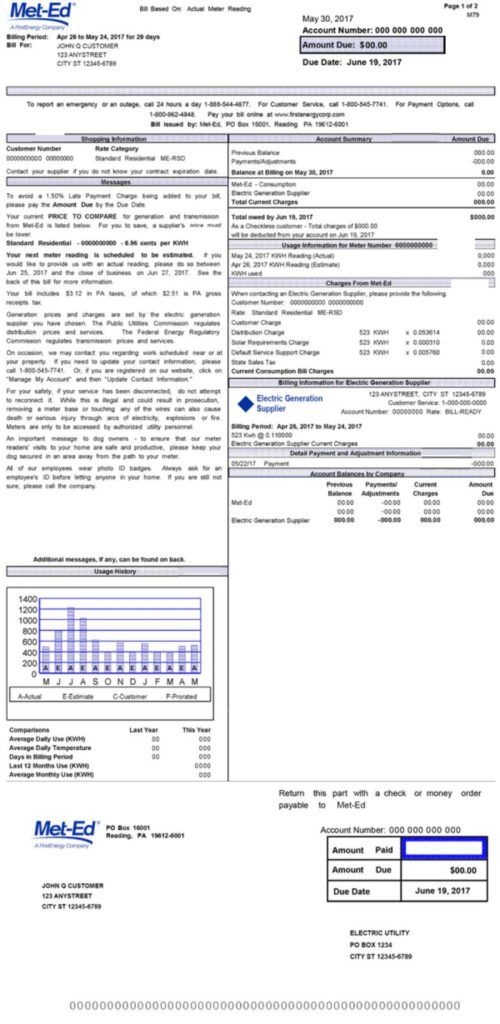
First off, let’s clear the air. When we talk about your Met-Ed electric rate, it's not just one thing. Nope! Think of it like a delicious pizza. You’ve got the crust, the sauce, the cheese, and all your glorious toppings. Each part costs something, and together, they make up the whole pie. Your electric bill is kinda similar, just, you know, less cheesy and more... electrifying.
So, What Are You Actually Paying For? The Two Big Chunks!
Basically, your bill breaks down into two main categories. And once you get these, the rest just clicks into place. Promise!
Must Read
1. The Juice Itself: The "Supply" or "Generation" Charge
This is literally the cost of the electricity. The actual electrons that zoom into your home, powering your Netflix binge or that late-night snack run to the fridge. Think of it as buying the coffee beans themselves. This part of your bill covers where that electricity comes from – whether it’s generated by natural gas, nuclear power, wind turbines, solar panels, or a mix of everything. It’s the raw product.
Here’s the kicker, and this is super important: Met-Ed doesn't make a profit on this part! Seriously. They just pass the cost on to you. Their role for this chunk is more like a trusted middleman. They have to buy the power, and then they deliver it. So, if the cost of natural gas goes up (which it totally does sometimes, right?), then the cost of the electricity they buy, and thus your generation rate, likely goes up too. It’s supply and demand, baby!
2. Getting It To Your Couch: The "Delivery" or "Distribution" Charge
Alright, so you’ve bought the coffee beans. Now, how do they get to your cup? That’s where the delivery charge comes in. This is Met-Ed's main gig. This is what they actually earn money on. This covers all the infrastructure: the poles, the wires, the transformers, the guys (and gals!) who come out in a blizzard at 2 AM to fix an outage so you don't lose your precious internet connection. It’s the entire network that brings the power from the generation source all the way to your meter.

Unlike the generation part, you can’t shop around for your delivery service. If you live in Met-Ed’s service territory, they’re your official distribution company. It’s kinda like your postal service – you don't get to pick a different one for your address, do you? They’re the ones keeping the lights on, literally, and making sure the system is safe and reliable. This includes maintenance, upgrades, and, let’s be real, dealing with squirrels. Lots and lots of squirrels.
Why Do These Rates Shimmy and Shake?
Ever notice your rate isn’t exactly the same every single month or year? It’s not just your imagination! A few things make those numbers dance around:
- Fuel Costs: As we chatted about, if the price of natural gas, coal, or whatever fuels power plants goes up, so does the cost of generating electricity.
- Weather Whiplash: Super hot summer? Everyone cranks the AC. Frigid winter? Heaters on full blast. High demand can influence prices. Plus, extreme weather means more wear and tear on the grid, leading to higher maintenance costs for delivery.
- Infrastructure Upgrades: Met-Ed needs to maintain and upgrade its lines, substations, and equipment. This ensures reliable service (and keeps us from living like cave people). These investments are factored into your delivery rate.
- Regulatory Stuff: The Pennsylvania Public Utility Commission (PUC) oversees utilities like Met-Ed. They review and approve rate changes. It’s a whole thing, designed to ensure fair rates and reliable service.
The Fun Part: You Can Shop For Your "Juice"!
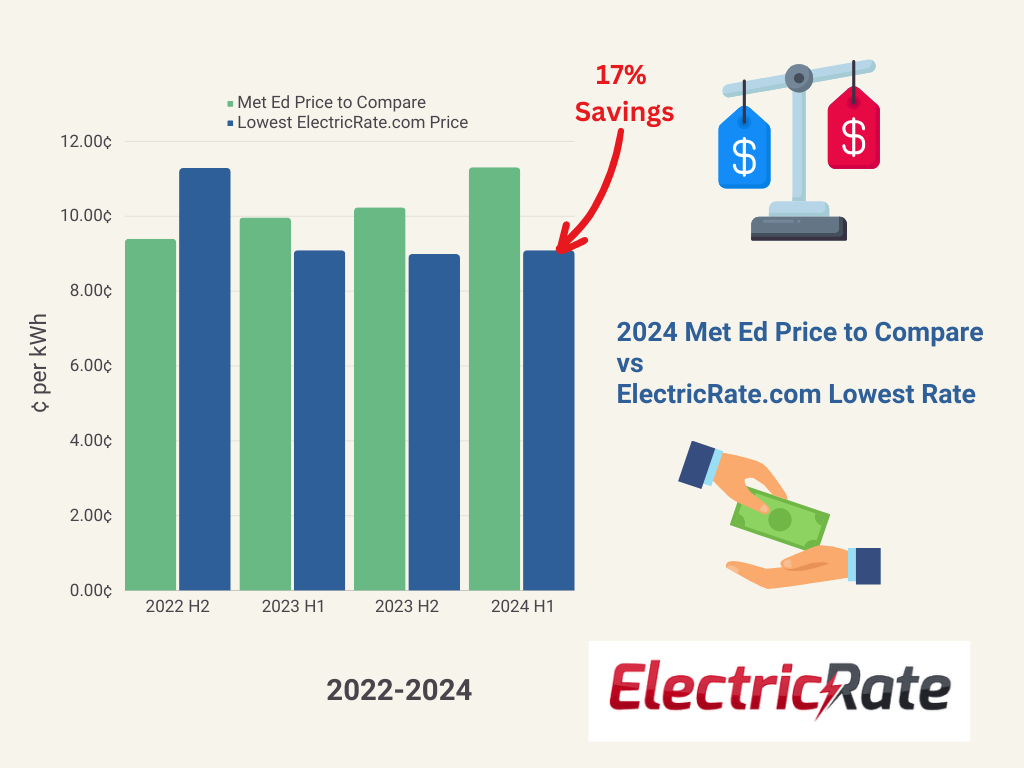
Now, here’s where things get interesting, especially if you’re in Pennsylvania! Because PA is a deregulated state for electricity, you have the power (pun intended!) to choose who supplies your electricity for that "generation" part of your bill. Remember the coffee beans? You can buy them from Met-Ed's default supplier, or you can go out and find a different coffee bean supplier!
This means you can potentially find a lower rate, or even choose a supplier that gets its energy from renewable sources if that’s important to you. Ever heard of PA Power Switch? It’s a super helpful website (papowerswitch.com) where you can compare different electricity generation suppliers. It’s like Amazon for your electrons!
Just remember to check the fine print: fixed rates vs. variable rates, contract lengths, cancellation fees. Don’t just jump for the lowest number; make sure it makes sense for your lifestyle. Think of it as finding the perfect pair of jeans – gotta try them on before you commit!

The Bottom Line (Before We Need Another Coffee)
Understanding your Met-Ed electric rate isn't about becoming an energy expert overnight. It’s about knowing that your bill isn't just a mysterious number. It’s a breakdown of the cost of the electricity itself, and the cost of getting that electricity safely and reliably to your home.
So, next time you glance at that bill, you’ll be a little more clued in. You’ll know the difference between the "juice" and the "delivery truck." And maybe, just maybe, you’ll feel a tiny bit empowered, because knowledge, my friend, is power. (Okay, I’ll stop with the puns now. Maybe.)
Now, about that second cup...?