
What Is Meant By Shear Force
Ever tried to cut a stubborn piece of fabric with dull scissors? Or perhaps spread cold, hard butter on soft toast? You know that feeling when things just don’t slide right, or they tear instead of cutting cleanly? That little moment of frustration, or sometimes, surprising success, is often thanks to an invisible, often unsung hero (or mischief-maker) we call Shear Force.
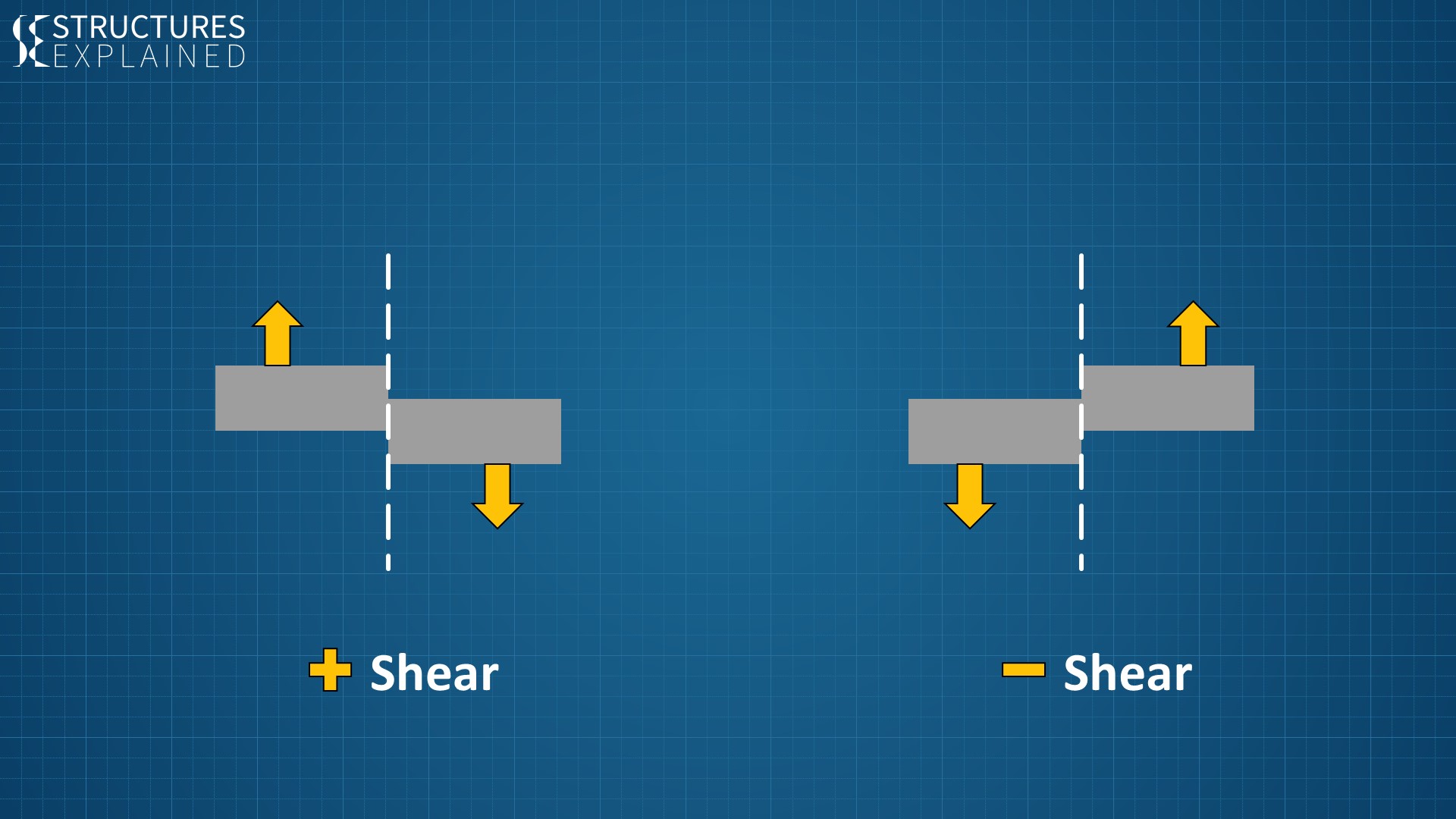
Imagine a stack of playing cards. If you push the top card gently, the cards underneath might slide past each other, creating a ripple effect. This motion, where layers within an object or between two objects want to slide sideways relative to one another, is the essence of shear force. It's not about pulling things apart directly, like stretching a rubber band, or squashing them together, like crushing a can. It’s about that tricky, sideways push and pull.
The Culinary Delights of Shear
Think about your morning toast. When you slice a warm, crusty loaf of bread, your knife isn’t just pressing down. It’s primarily applying a mighty shear force. One side of the knife blade pushes down on the bread while the other side, well, doesn't quite push it up, but rather helps the blade slide through, separating the delicious carb into two neat halves.
Must Read
Or consider a pat of butter, softened just perfectly. As you glide your knife across it, you're not mashing the butter into the toast. Instead, you're using shear force to gracefully persuade the butter to detach itself from the main block and spread evenly. It's a delicate dance of culinary engineering, making breakfast a smooth operation.
The perfect slice of cake, a testament to well-applied shear, separating delicious layers with precision.
Even slicing a juicy tomato involves shear. A sharp knife applies concentrated shear force, allowing the blade to part the tomato’s delicate skin and flesh without squishing it into an unappetizing mess. It’s the difference between a pristine tomato slice for your sandwich and a pulpy disaster.

Nature's Powerful Sliders
Shear force isn't just for kitchen adventures; it's a colossal player in the grand theatre of nature. Have you ever felt a strong gust of wind against a tall building? The wind isn't trying to push the building straight down or pull it up. Instead, it’s trying to push the top layers of the building sideways, relative to the layers closer to the ground.
This dynamic sideways push can cause skyscrapers to sway ever so slightly, a testament to engineering that accounts for these powerful natural shearing forces. It’s a subtle ballet of engineering and nature, keeping our cities safe and standing tall.
On an even grander scale, think about our planet itself. Earthquakes, those rumbling giants that shake our world, are often born from immense tectonic shear. Vast continental plates, carrying landmasses and oceans, slowly grind past each other over millennia. When the friction holding them together finally gives way, the sudden release of all that stored-up shear energy causes the ground to shake, sometimes with devastating power.

Our planet breathes and shifts, often driven by incredible, slow-motion shear forces deep beneath our feet.
Even a gentle river illustrates shear force. The water closest to the riverbed moves slower due to friction, while the water nearer the surface flows faster. This creates a continuous internal shearing motion within the water itself, a silent, liquid dance that shapes landscapes over time.
The Unsung Heroes of Construction
When engineers design towering bridges or sturdy buildings, they spend countless hours calculating how to resist shear forces. A bridge, for instance, isn't just dealing with the downward weight of cars and its own structure. It also has to withstand the sideways push of wind, the vibrations from traffic, and the internal forces that try to make its components slide past each other.
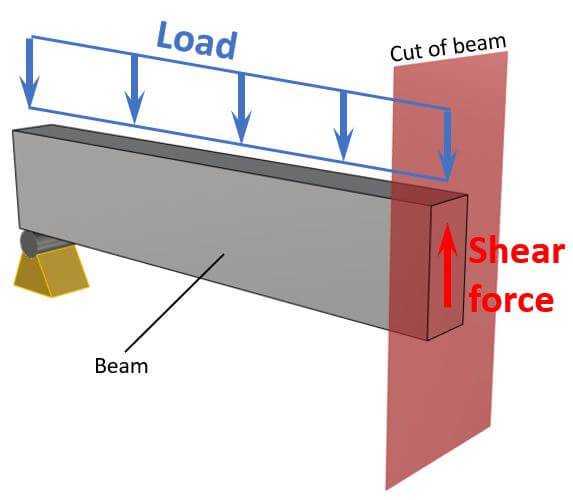
Imagine a beam holding up a roof. The weight pushing down creates internal shear forces that try to slice the beam horizontally. Engineers design the beam's shape and choose materials that are exceptionally good at resisting this internal "slicing" action. This meticulous work ensures that our schools, offices, and homes stand strong and safe.
Even something as seemingly simple as a screw works by shear. As you turn a screw into wood, its threads cut and push, generating shear stress on the wood fibers, allowing it to burrow in and create a strong, lasting hold. It's a small but mighty example of shear in action, holding together everything from bookshelves to grand staircases.
From Haircuts to High Fives
Shear force is everywhere, even in the most personal and surprising places. Next time you get a haircut, remember that your stylist is a master of miniature shear. Each snip of the scissors applies precise shear force, separating a tiny section of hair from the rest, transforming your look with expert precision. It's a transformation brought about by controlled, tiny slides.
Or think about a simple high-five. When your hand connects with a friend’s, there's a moment of impact, yes, but also a subtle shearing action as your palms briefly slide against each other. It’s a joyful, energetic exchange, made possible by that brief, friendly shear.
![Understand Shear Forces [An Engineering Explanation] - Structural Basics](https://www.structuralbasics.com/wp-content/uploads/2023/07/Shear-force-768x439.jpg)
Even the way our joints move involves shear. Cartilage acts like a smooth, slippery layer, allowing our bones to glide past each other with minimal friction. This complex biological design harnesses the principles of shear to enable our incredible range of motion, from a gentle wave to a vigorous sprint.
The Silent Power of the Sideways Push
So, the next time you effortlessly slice through a piece of paper with scissors, or watch a tall flag flutter in the wind, take a moment to appreciate the subtle yet profound influence of shear force. It’s the invisible hand behind so many everyday actions, from the comfort of a perfectly spread sandwich to the stability of the world's tallest buildings.
It reminds us that forces aren't always about brute strength pushing head-on. Sometimes, it's the elegant, sideways slide, the gentle parting, or the immense, slow grind that truly shapes our world. This often-overlooked force is a quiet marvel, making our lives smoother, stronger, and surprisingly, a lot more delicious.