
What Is Low Gear For In A Car
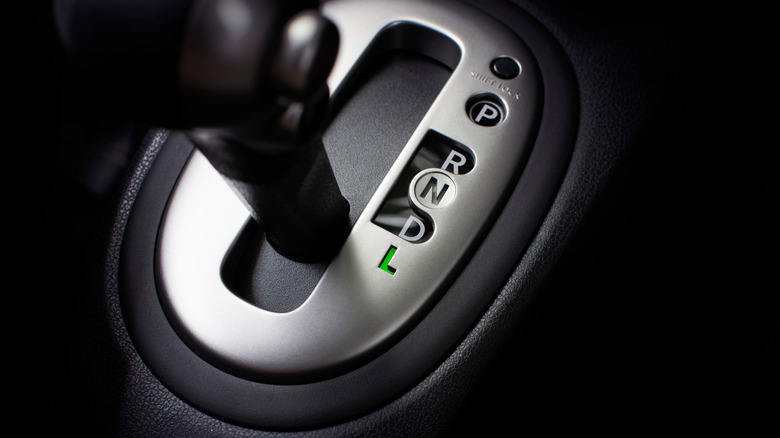
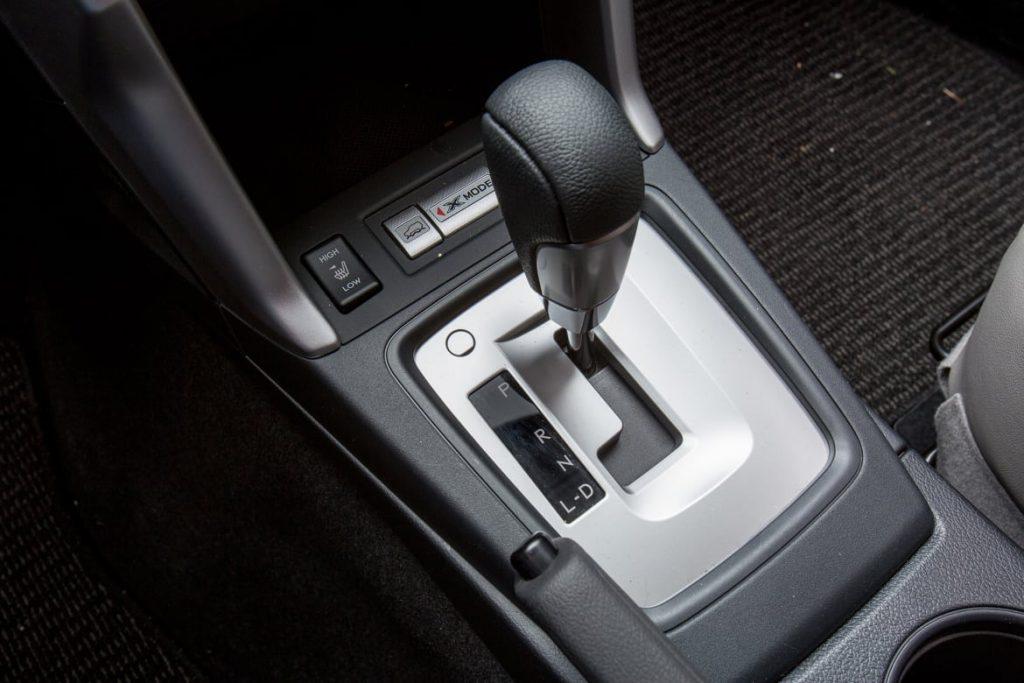
Ever found yourself staring at the gear stick or shifter, noticing those little 'L' or '1' or '2' spots, and wondering what on earth they're for? Maybe you've even accidentally bumped into one, and your car suddenly made a bit of a fuss. Well, my friend, you've just brushed shoulders with the mighty, yet often misunderstood, low gear. And trust me, once you get to know it, it's like discovering a secret superpower for your car!
Think of your car's gears like different strength settings on a kitchen mixer, or better yet, like the different gears on a bicycle. When you're zooming along a flat road, you're in a high gear – that's like being on your bike's highest gear, effortlessly cruising. But what happens when you hit a monster hill on your bike? You'd struggle, wouldn't you? Your legs would burn, and you'd slow to a crawl. That's when you click down to a lower gear, right? Suddenly, it feels easier, even if you're not going as fast. You're trading speed for raw, unadulterated power.
So, What Exactly Is Low Gear?
In a nutshell, low gear (or first gear, or 'L' on an automatic) is all about giving your car maximum pulling power at lower speeds. It's like your car putting on its strongest pair of boots and flexing its muscles. It's not designed for speed; it's designed for grunt work. Imagine trying to push a heavy sofa across a room. You wouldn't take a running start and lightly tap it, would you? No, you'd plant your feet, lean in, and push with all your might. That slow, powerful push? That's low gear for your car.
Must Read
It essentially changes the ratio between the engine's rotations and the wheels' rotations. In low gear, the engine spins many times for each single turn of the wheels, giving you incredible torque. This is why your car might sound a bit more 'busy' or rev higher when you're in low gear – it's working hard, but it's doing it effectively!
When Does This Secret Superpower Come In Handy?
Oh, you'd be surprised! Low gear isn't just for rally drivers or folks with monster trucks. It's for everyday heroes like you!
1. Tackling Those Scary-Steep Hills (Uphill!)
This is low gear's bread and butter. Remember our bicycle analogy? If you try to climb a super steep hill in a high gear, your engine will struggle, groan, and might even stall. It's like trying to run a marathon in a weighted vest – exhausting! Switching to low gear gives your engine the mechanical advantage it needs to muscle its way up that incline without breaking a sweat (or overheating!). It lets your engine work efficiently, delivering power without strain.
2. Descending Those Scary-Steep Hills (Downhill!)
Now, this is where low gear truly shines as a safety feature. Ever been driving down a long, steep hill and found yourself pressing the brake pedal over and over, smelling that faint, metallic 'hot' scent? That's your brakes screaming for help! They're getting hot and bothered, and too much of that can lead to "brake fade," where they lose effectiveness. Not fun!
Here's the magic: Shifting into low gear when going downhill uses something called engine braking. Your car's engine actually helps slow the vehicle down, much like downshifting on a bicycle provides resistance. This means you don't have to rely solely on your brakes. It's like having a trusty co-pilot helping you gently guide the car down the slope, rather than just frantically pushing a "stop" button. Your brakes will thank you, and you'll feel much more in control.
3. Pulling Something Heavy or Getting unstuck
Got a trailer full of camping gear? Moving furniture? Or maybe, just maybe, you've found yourself in a bit of a sticky situation – literally. Mud, snow, or sand can be notoriously tricky. Trying to power through in a high gear is often a recipe for disaster, usually involving more spinning and digging yourself deeper.
Low gear provides that crucial gentle but powerful pull. It allows for more controlled wheel spin (or no spin at all, ideally!), letting your tires find traction without overwhelming them. It's like carefully extracting a delicate item from a tight space – you need slow, steady, powerful movements, not a sudden yank!
4. Navigating Tricky Terrain or Parking Spots
Off-roading, tight parking garages, or even just inching forward in a bumper-to-bumper traffic jam – these are all moments where precision and control are more important than speed. Low gear lets you crawl along at a snail's pace, giving you maximum control over your vehicle. No jerky movements, just smooth, steady progress. It's like threading a needle; you wouldn't do it at full speed, would you?
Why Should You Care? (Besides Feeling Like a Car Guru)
Okay, so it's not just about looking smart. Using low gear properly is a fantastic habit for several reasons:
- It saves your car (and your wallet!): Less strain on your engine and transmission, and significantly less wear and tear on your brake pads. That means fewer costly repairs and replacements down the line. Hooray for saving money!
- It keeps you safer: More control on steep descents means a reduced risk of runaway situations due to overheated brakes. It's peace of mind, especially when you have precious cargo (like your family, or that really good takeaway!).
- It makes driving easier and more confident: Once you understand and use low gear, you'll tackle tricky situations with a newfound swagger. Hills? No problem! Tight spots? You've got this!
- It's efficient: While it uses more fuel per second, in the right situations (like climbing a steep hill where your engine would otherwise be struggling), it actually helps your engine work more efficiently, preventing it from overworking itself.
How to Use It (Don't Be Shy!)
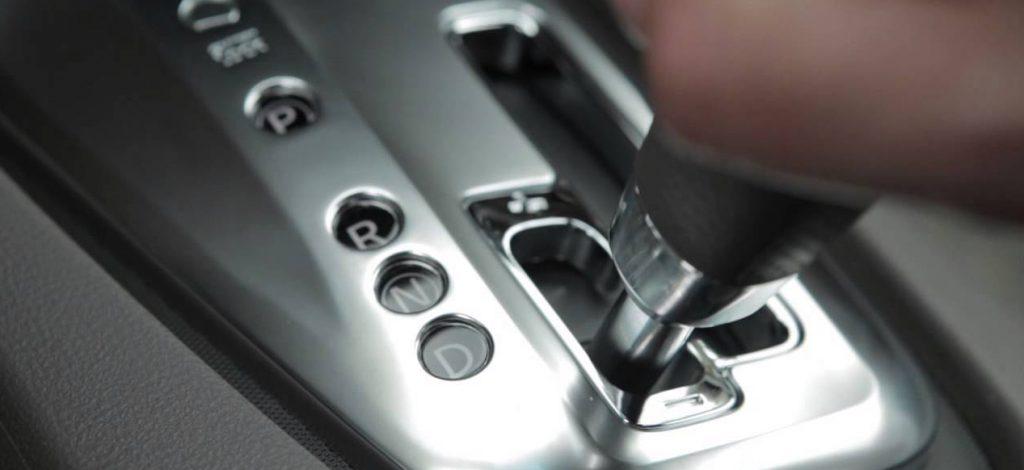
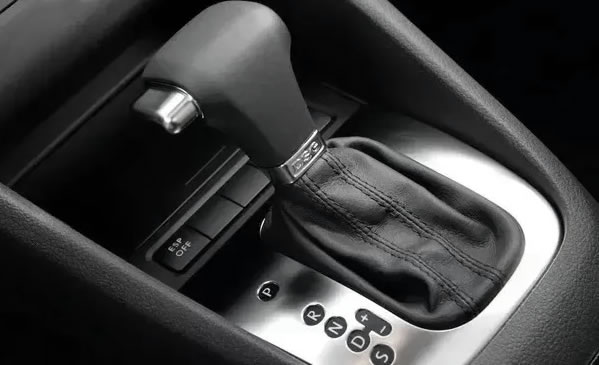
It's simpler than you think! For automatics, you'll often see 'L', '1', or '2' near 'D' (Drive). When you need that extra grunt, simply shift into the appropriate low gear. For manuals, it's just about selecting first or second gear. Remember, you generally want to do this before you're halfway up or down the challenging stretch, not when your car is already panting!
So, next time you see that 'L' or '1', give it a little nod of respect. It's not just a random letter; it's your car's secret strength mode, waiting to make your drive smoother, safer, and a whole lot smarter. Go forth and conquer those hills, my friend!