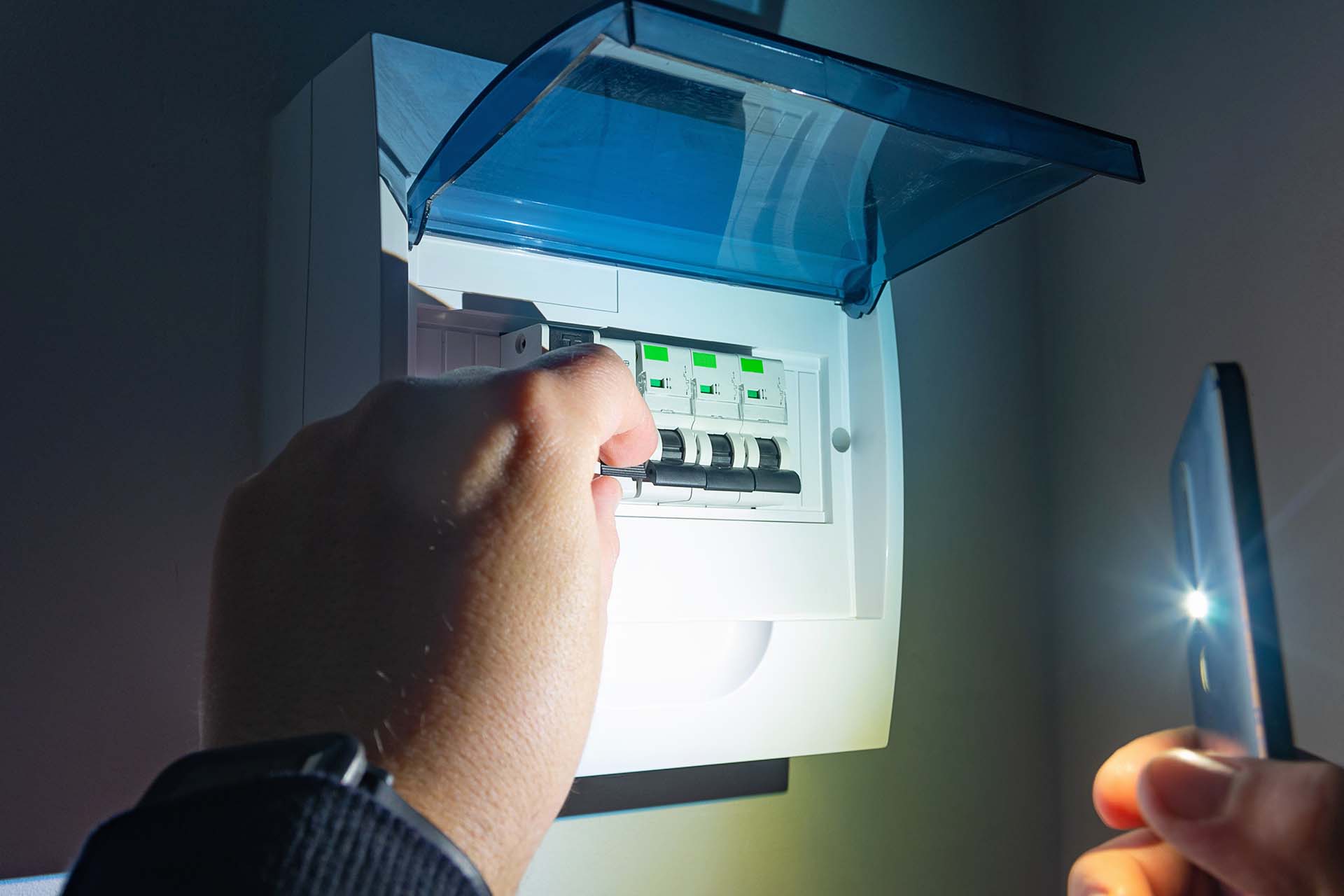
What Is It Called When You Have No Electricity
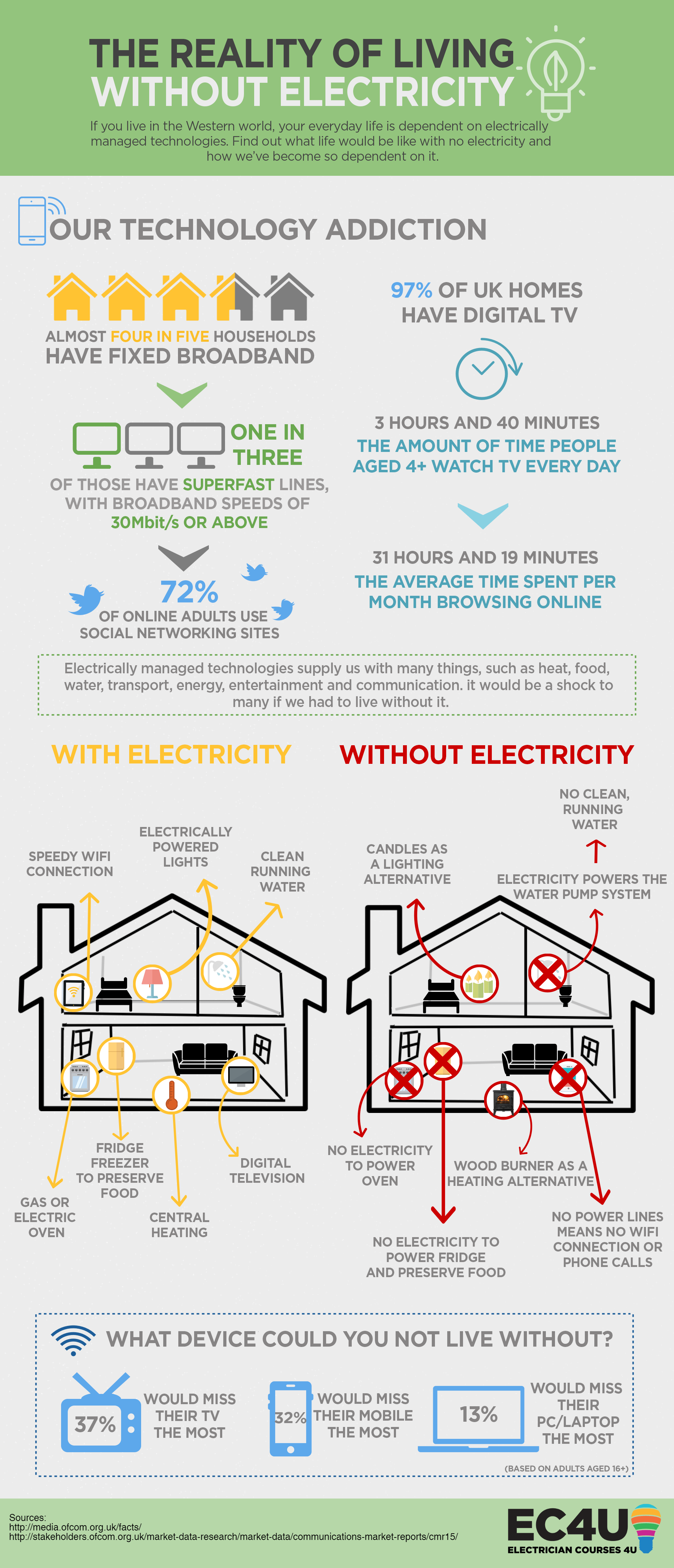
Let's face it, we're all pretty reliant on electricity these days. From charging our phones to keeping the fridge running, it's easy to take for granted...until it's gone! So, what do you call it when you're suddenly plunged into darkness? Knowing the proper term isn't just about sounding smart; it's about communicating effectively, especially when you're reporting the problem or trying to find a solution. Plus, understanding the lingo can actually make dealing with a power outage a little less stressful (okay, maybe a little!).
The most common and widely accepted term for when you have no electricity is a power outage. You might also hear it called a power cut, especially in British English. Both terms refer to a temporary loss of electrical power in an area. While "blackout" is often used interchangeably, it usually implies a more widespread and prolonged outage, affecting a larger area and lasting for a significant amount of time. Think major city-wide disruption!
Why is this knowledge useful? For beginners, simply knowing the right term helps you describe your situation accurately when calling the power company or asking for help. If you're a family, understanding the terms can help you explain the situation to children in a way they can understand. Instead of saying "the electricity is gone," you can say "we're having a power outage." For hobbyists, like those into emergency preparedness or amateur radio, understanding the nuances between "power outage," "power cut," and "blackout" can be important for assessing the scale of the problem and coordinating responses. For example, a ham radio operator reporting to emergency services might distinguish between a local power outage and a regional blackout.
Must Read
There are several variations related to the topic. You might experience a brownout, where the voltage drops significantly, causing lights to dim and appliances to function poorly. A rolling blackout is a planned, temporary outage affecting different areas in rotation, often used to prevent a complete system failure. And of course, there's a complete system failure, which is every electricity user's worst nightmare!

So, how can you get started using these terms? It's simple! Next time the lights flicker and die, instead of panicking (okay, maybe a little panicking is allowed), calmly announce, "We're experiencing a power outage!" Then, check your neighbors' houses to see if they're affected too. If so, it's likely a larger issue than just your home. Contact your power company to report the outage and get an estimated restoration time. Pro-tip: Have their phone number readily available. And don't forget to check your flashlights and batteries! It also pays to have an alternative power source like a generator or portable power station.
Knowing the right terms can make dealing with a power outage a little less daunting. It helps you communicate clearly, understand the situation better, and take appropriate action. While no one enjoys being without power, being informed empowers you to handle the situation with greater confidence and maybe even a touch of linguistic flair. Now, go forth and accurately describe your next power interruption!