
What Is Inside Of A Car Battery
Ever hopped into your car, turned the key (or pressed the button!), and felt that satisfying rumble as the engine purrs to life? It’s a moment we take for granted, isn't it? But have you ever paused to think about the unsung hero tucked away under the hood, quietly making all that magic happen? We’re talking about your car battery, of course!
Most of us just see a boring black box, right? A utilitarian brick of power. But oh, my friend, that couldn't be further from the truth! Inside that unassuming shell lies a bustling, microscopic chemical wonderland, performing an intricate dance that gives your vehicle its very spark. And trust me, once you peek behind the curtain, you'll never look at your battery the same way again!
It's Not Just a Black Box! What's Hiding In There?
Let's peel back the layers and discover the fascinating guts of this automotive marvel. Think of it as a super-organized, tiny power plant, ready to jump into action whenever you need it.
Must Read
The Lead Plates: The Heart of the Matter
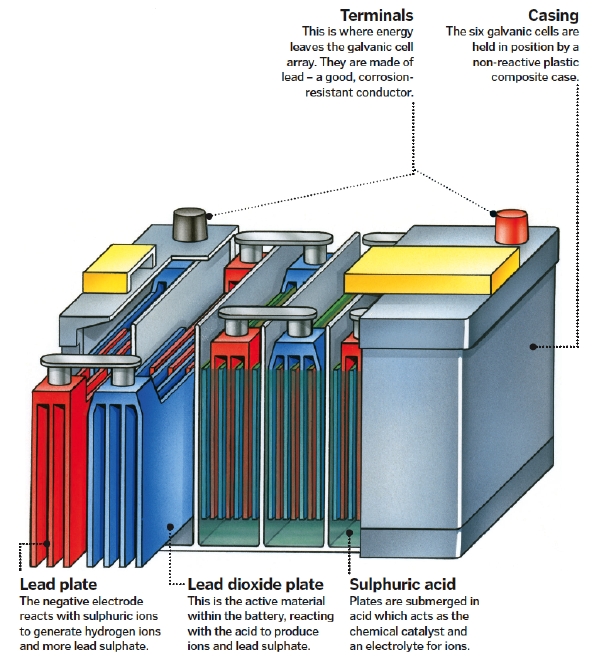
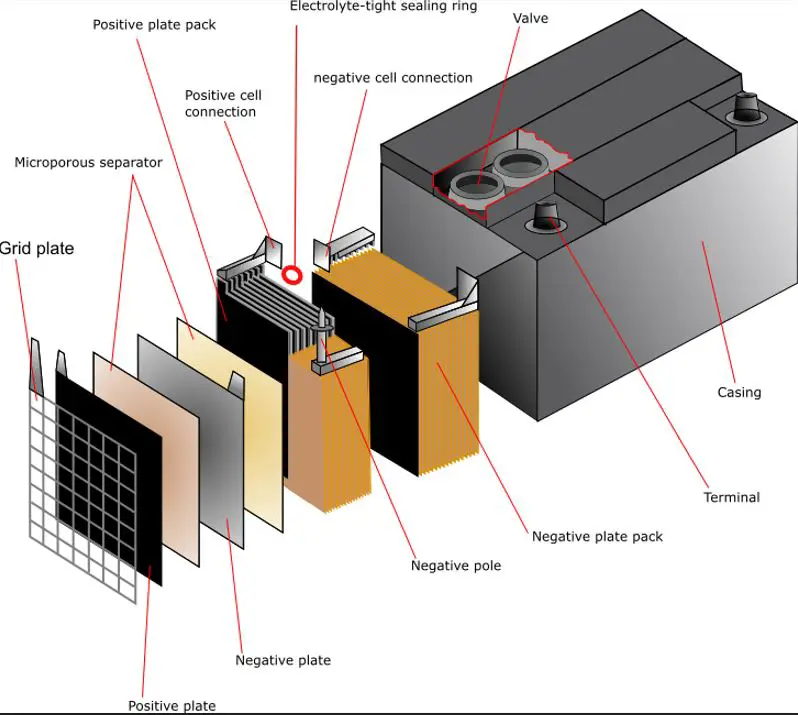
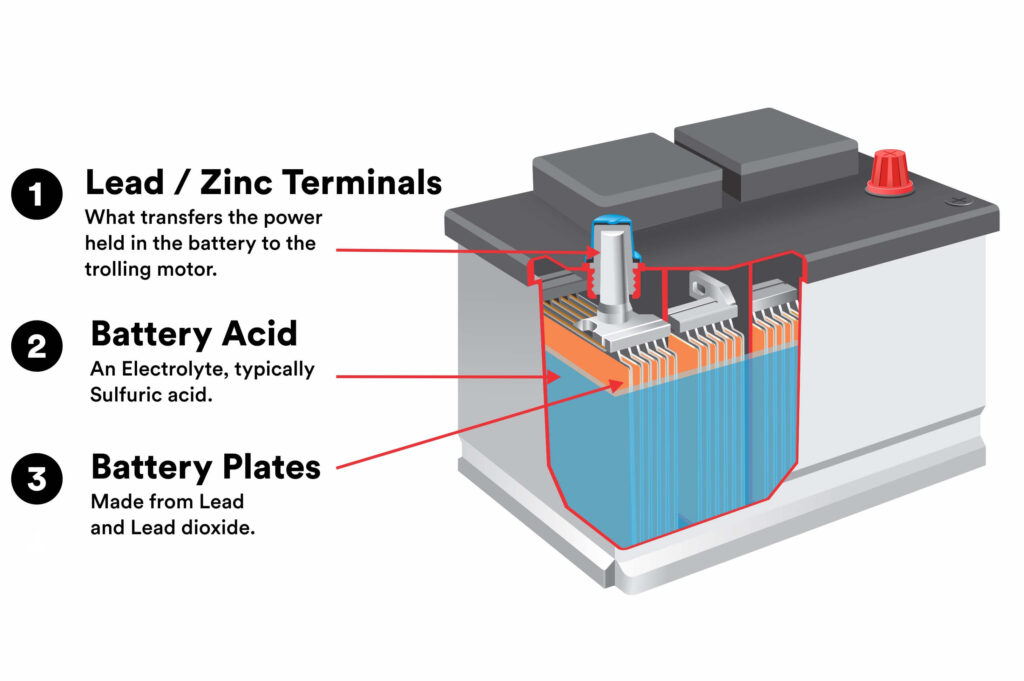
Imagine thin, porous plates, arranged like a delicious (but definitely not edible!) sandwich. These are the lead plates, and they come in two flavors: positive and negative. The positive plates are coated with lead dioxide, while the negative ones are pure, spongy lead. These aren't just any old metals; they're the active ingredients, the ones ready to party!
We're talking about a lot of surface area here, folks. Why? Because more surface area means more space for those awesome chemical reactions to happen. It's like having a bigger dance floor for all the energetic ions!
The Electrolyte: The Acidic Power Mixer
Now, these lead plates aren't just sitting there dry. Oh no! They're immersed in a liquid called the electrolyte. Sounds fancy, right? In a car battery, this is typically a solution of about 30-50% sulfuric acid mixed with distilled water. Don't worry, it's safely contained within the battery!
This acidic concoction isn't just for show; it's the medium that allows ions (those tiny, electrically charged atoms) to flow between the positive and negative plates. Think of it as the superhighway for electrical activity, making sure everyone gets where they need to go, fast!
The Separators: Keeping Things Polite
Okay, so you've got positive plates, negative plates, and a conductive liquid. What's to stop them from touching and causing a massive short circuit? Enter the unsung heroes: the separators!
These are thin, porous sheets made of things like plastic or rubber, placed between each positive and negative plate. They act like bouncers at a club, preventing direct contact between the plates (which would be bad news!) while still allowing the electrolyte to pass through freely. They keep the peace, ensuring the chemical dance can continue without any unseemly brawls.

The Sturdy Case and Terminals: The Outer Shell
All this internal wizardry is safely housed within a robust plastic case, usually made of polypropylene. This case is segmented into multiple "cells" (typically six for a 12-volt battery), each producing about 2 volts of power. These cells are connected in series, summing up to the magical 12 volts your car craves.
And then there are the terminals – those chunky posts on top. These are the "hands" of the battery, where it connects to your car's electrical system, sending all that wonderful power surging through your vehicle's veins. You know, where you hook up the jumper cables if you ever need a little boost!
The Magic Unfolds: How Does It All Work?
So, you've got lead plates, sulfuric acid, and separators. How does this turn into the oomph that starts your car? It's all about a reversible chemical reaction.

When you start your car, the battery acts like a tiny power plant. The lead and lead dioxide plates react with the sulfuric acid, creating lead sulfate and water, and most importantly, releasing electrons. These electrons flow out of the negative terminal, through your car's electrical system (starting the engine, powering your lights, etc.), and back into the positive terminal. Voila! Instant power!
And the best part? When your car's alternator is running, it reverses this process, pushing electricity back into the battery, converting the lead sulfate and water back into lead, lead dioxide, and sulfuric acid. It's a fantastic cycle of discharge and recharge, like a battery that keeps refilling itself while you drive!
Why Should You Care About This?
Why bother with what's inside a car battery? Because understanding the little things that power our daily lives can be incredibly empowering and, dare I say, fun!
It transforms that boring black box into a marvel of engineering and chemistry. It gives you a deeper appreciation for the intricate systems that make modern life possible. The next time you turn your key, you won't just hear an engine; you'll visualize a tiny, chemical dance party happening under the hood, all to get you where you need to go!
It's a reminder that even the most mundane objects can hold extraordinary secrets, just waiting for a curious mind to discover them. Learning about something as seemingly simple as a battery sparks that innate human desire to understand, to know "how things work," and that, my friend, is a joy that never runs out of charge!
So, next time you see that unassuming car battery, give it a nod of respect. It’s not just a power source; it’s a tiny testament to the wonders of science, quietly making our lives easier, more convenient, and a whole lot more exciting. What other everyday "black boxes" are waiting for you to uncover their hidden magic? Go forth and discover!