
What Is In The Paris Climate Change Agreement
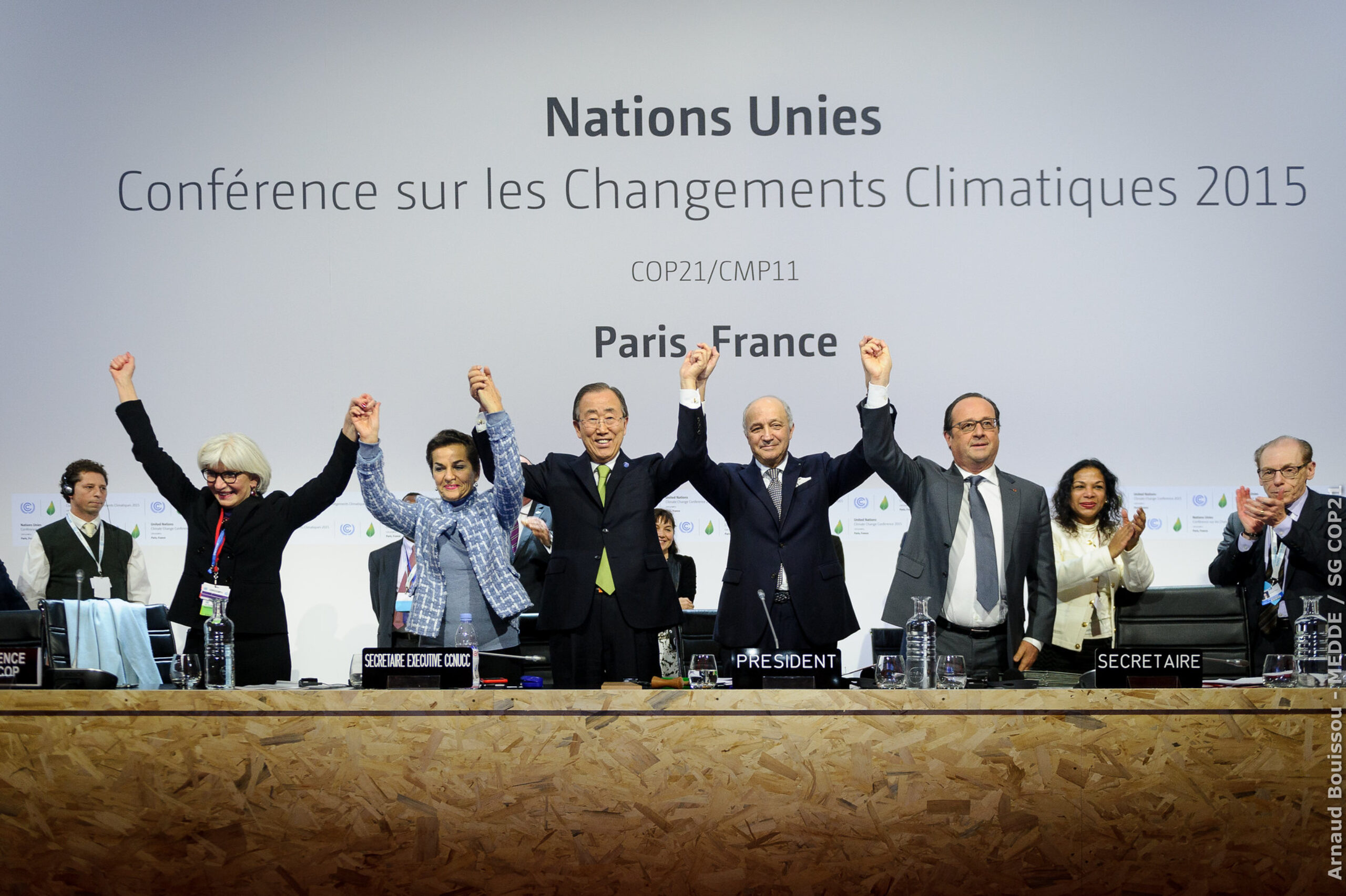
Imagine the Earth is throwing a massive potluck, but instead of bringing casseroles, countries are bringing promises to be better roommates to the planet. That's essentially the Paris Agreement in a nutshell!
The Grand Aim: Keeping Things Cool (Literally)
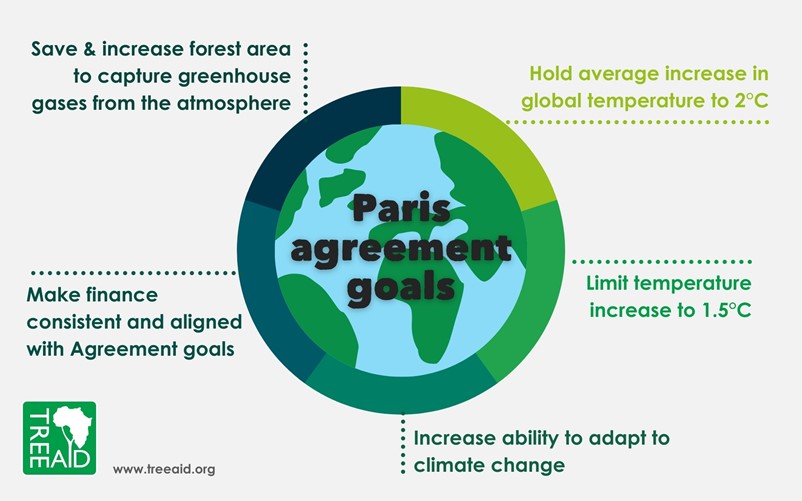
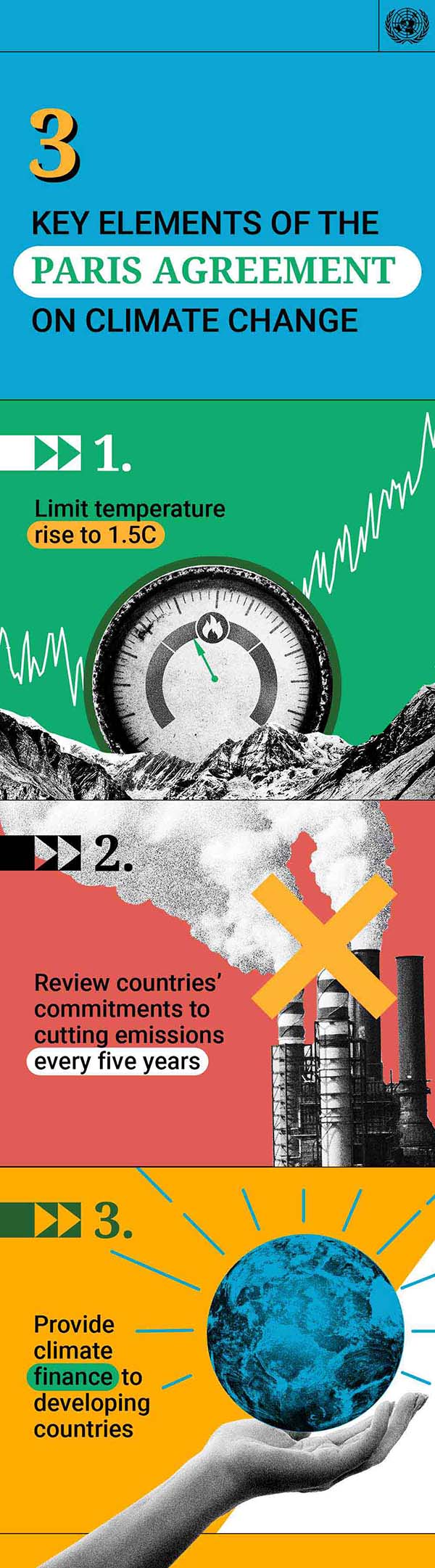
The big goal? To limit global warming to well below 2 degrees Celsius, and ideally, keep it to 1.5 degrees Celsius, compared to pre-industrial levels. Think of it as trying to avoid a planetary fever that could lead to some seriously grumpy weather and melting ice cream mountains.
The Temperature Target: A Tightrope Walk
Why these specific numbers? Because scientists, the Earth's doctors, say that going beyond these limits could trigger irreversible and potentially catastrophic changes. Imagine the difference between a mild sunburn and a full-blown lobster transformation. No one wants that for the planet!
Must Read
It's like trying to parallel park a giant spaceship in a tiny spot. Tricky, but absolutely essential!
National Contributions: Everyone Chips In
Each country gets to decide what they can realistically contribute to the global effort through what are called Nationally Determined Contributions (NDCs). Think of it as each guest at the potluck bringing a dish they’re good at making, from reducing emissions to planting more trees.
These NDCs are the heart of the agreement, and they're supposed to get more ambitious every five years. It's like promising to do more dishes each week as you become a better roommate!
The Honesty Policy: Reporting and Review
To keep everyone honest, there's a system for reporting progress and reviewing collective efforts. It’s like a regular check-up at the doctor, making sure everyone’s sticking to their climate-friendly diet and exercise plan.
This transparency helps identify who's pulling their weight and who needs a little nudge (or perhaps a guilt trip) to do better. Nobody wants to be the guest who eats all the snacks and doesn't help clean up!
Money Matters: Helping Hands for Developing Nations
Developed countries promised to mobilize $100 billion per year to help developing nations reduce emissions and adapt to the impacts of climate change. Think of it as chipping in for a new solar panel system for your less well-off neighbors.
It's like a global crowdfunding campaign to protect everyone from climate change, because, let's face it, rising sea levels and extreme weather don't discriminate.
Adaptation Fund: Preparing for the Inevitable
Part of this financial assistance goes towards adaptation, which means helping countries prepare for the impacts of climate change that are already happening. It’s like building a seawall to protect your beachfront property or investing in drought-resistant crops.
Essentially, it’s about making sure everyone has umbrellas and lifeboats, even if the weather forecast looks a little dicey.
Loss and Damage: Addressing the Unavoidable
The agreement also acknowledges the concept of "loss and damage," which refers to the impacts of climate change that are so severe that adaptation isn't enough. Think of it as compensating your neighbor for the damages caused by your runaway lawnmower.
This is a tricky area because it involves figuring out who's responsible and how to provide support to those who have suffered the most. It’s like trying to divide up the insurance claim after a natural disaster. Complex, but necessary.
Technology Transfer: Sharing the Secrets
The Paris Agreement encourages the sharing of climate-friendly technologies and knowledge between countries. It’s like sharing your grandma's secret recipe for the world's best carbon-neutral cookies.
This helps accelerate the transition to a low-carbon economy and ensures that everyone has access to the tools they need to fight climate change. The more delicious cookies, the better!
Unexpected Twists and Turns: Not Always a Smooth Ride
The journey of the Paris Agreement hasn't been without its bumps. Remember when the US briefly decided to take a detour? It was like someone abruptly leaving the potluck, taking their famous potato salad with them.
Thankfully, the US has since rejoined the agreement, proving that even international relations can have a change of heart. It’s like the prodigal potato salad returning to the party!
The Article 6 Conundrum: Carbon Markets and More
Article 6 deals with international cooperation on emissions reductions, including the potential for carbon markets. Imagine countries trading carbon credits like baseball cards, but instead of rare rookies, they're trading the right to emit greenhouse gases.
-800x447.png)
The rules around Article 6 have been particularly tricky to finalize, with countries disagreeing on how to ensure that carbon trading actually leads to real emissions reductions and doesn't create loopholes. It’s like trying to agree on the rules of Monopoly when everyone wants to be the banker.
Why Should You Care? Because It's About Your Future!
The Paris Agreement might sound like a dry international treaty, but it's actually about something incredibly personal: your future, and the future of the planet. It's about ensuring that your grandkids can still enjoy polar bears, beaches, and breathable air.
It's about building a world where clean energy is the norm, where sustainable practices are commonplace, and where everyone has a chance to thrive in a healthy environment. So, the next time you hear about the Paris Agreement, remember that it's not just about politics and policies, it's about people and the planet.
Beyond the Headlines: The Power of Collective Action
The real magic of the Paris Agreement lies in its ability to bring countries together to tackle a common challenge. It's a reminder that even the most daunting problems can be solved when we work together.
It’s like a global neighborhood watch, where everyone is looking out for each other and working to create a safer, more sustainable community. And who knows, maybe one day we’ll all be able to enjoy that carbon-neutral cookie together!