What Is Important To Know About Gasoline Vapor
Hey there, curious minds! Ever stopped to think about that whoosh of air and that distinctive smell when you open your gas tank? That's gasoline vapor, and believe it or not, it's way more interesting than you might think. We're not going to dive into super technical stuff here, just a friendly chat about why this seemingly mundane vapor is actually pretty fascinating.
What Exactly Is Gasoline Vapor?
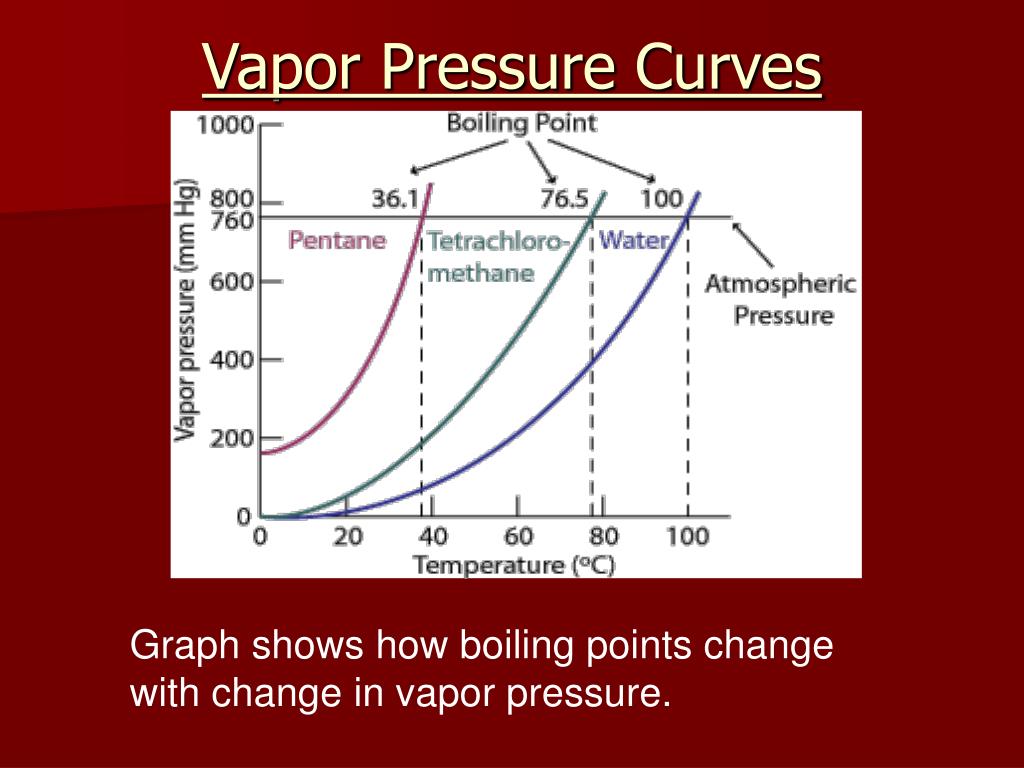
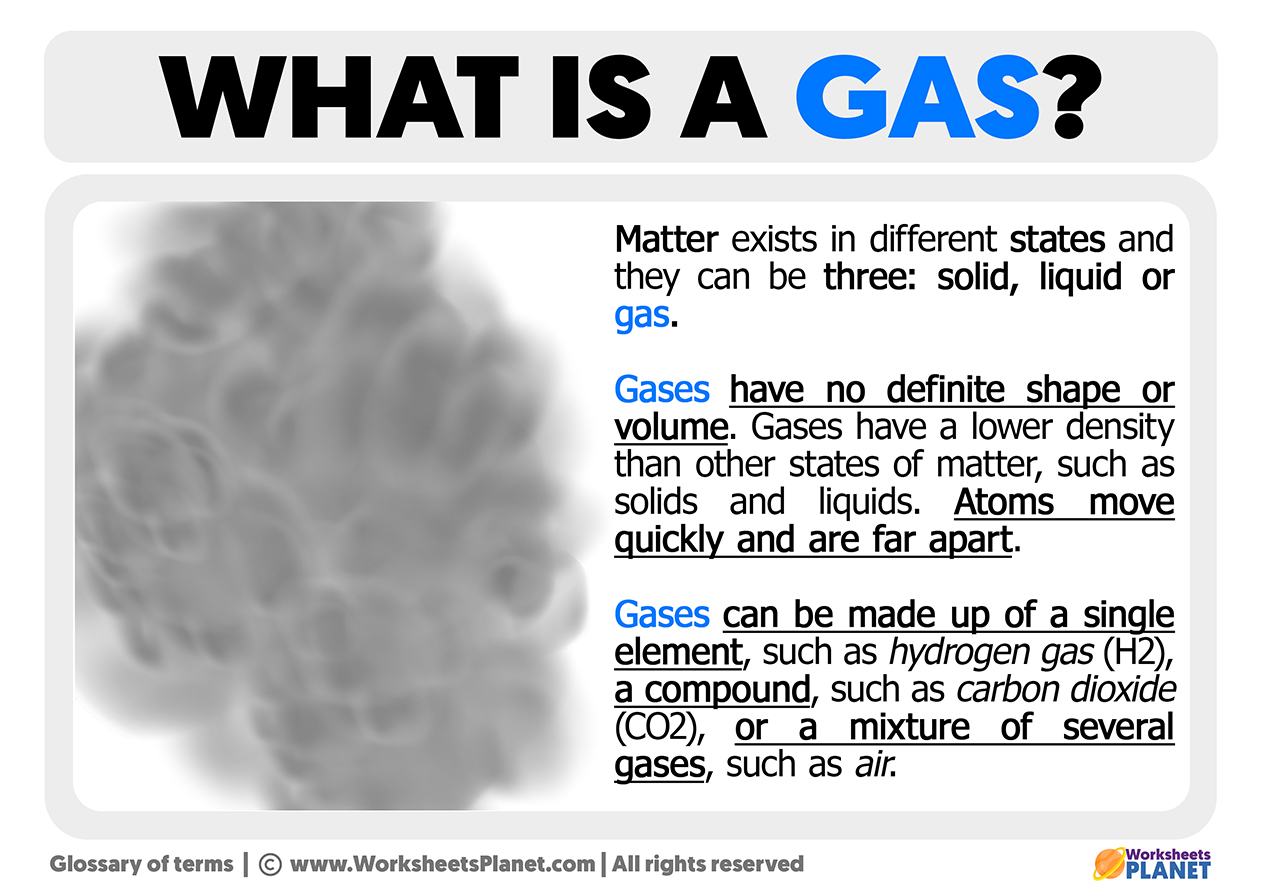
Okay, so imagine you've got a bunch of energetic little molecules bopping around in your gas tank. Gasoline is a liquid, right? But some of those molecules have enough oomph to break free from the liquid and become a gas. Voila! Gasoline vapor. Think of it like a crowded dance floor: some people are happy to stay in the crowd, while others are ready to break out and do their own thing. That's gasoline vapor in a nutshell.
It's essentially gasoline in its gaseous state. It’s made up of a mix of different hydrocarbon compounds, all buzzing around, ready to power your car (or, you know, escape into the atmosphere if we're not careful!).
Must Read
Why Should We Care? It's Just Air, Right?
Well, not quite. While gasoline vapor might seem harmless, it's got a few quirks that make it important to understand. First off, it's highly flammable. Think of it like this: flour in a bag is pretty safe, but a puff of flour in the air near a flame? Boom! Same principle. Gasoline vapor mixed with air creates a potentially explosive mixture. That’s why you see those warnings about not smoking near gas pumps.
Secondly, and this is a big one, it’s a source of air pollution. Gasoline vapor contains volatile organic compounds (VOCs). VOCs are like the chameleons of the atmosphere; they react with other pollutants to form ground-level ozone, which is a major component of smog. Ever wonder why some cities have that hazy, brownish look? VOCs, including gasoline vapor, play a role in that.
So, in short, gasoline vapor impacts both our safety and our air quality. Pretty important stuff, right?
Okay, It's Dangerous... So What Can We Do?
Thankfully, we've come a long way in managing gasoline vapor. Modern gas pumps have vapor recovery systems, which are like little vacuum cleaners that suck up the escaping vapor and send it back into the underground tank. Pretty neat, huh?
These systems prevent a significant amount of gasoline vapor from escaping into the atmosphere. Think of it like this: instead of letting a bunch of helium balloons float away, you're catching them and reusing them. It's better for the environment and saves gas, too!

Also, car manufacturers have implemented technologies like sealed fuel systems and catalytic converters that reduce emissions from vehicles. It’s a continuous process of improvement, making our cars cleaner and our air a little fresher.
The Future is Electric? Vapor's Days are Numbered!
With the rise of electric vehicles (EVs), you might be thinking gasoline vapor is on its way out. And, well, you're not wrong! As more and more people switch to EVs, the demand for gasoline will decrease, and consequently, so will the amount of gasoline vapor being released into the atmosphere.

EVs are like the silent, emission-free ninjas of the road, leaving gasoline-powered cars in their smoky dust. But even with the shift to EVs, understanding gasoline vapor remains important. We'll still be using gasoline-powered vehicles for quite some time, and proper handling and management of gasoline are crucial for our safety and the environment.
Fun Facts to Impress Your Friends
- Did you know that gasoline vapor is heavier than air? That's why it tends to accumulate in low-lying areas.
- The smell of gasoline is actually from additives in the gasoline, not the gasoline itself!
- Vapor lock, a problem in older cars, happens when gasoline vaporizes in the fuel lines, preventing fuel from reaching the engine.
So, there you have it! A whirlwind tour of gasoline vapor. Hopefully, you now have a newfound appreciation for this often-overlooked aspect of our everyday lives. It might seem like a small thing, but understanding gasoline vapor helps us make informed decisions about our safety and the environment. And who knows, maybe you’ll even impress your friends with your newfound knowledge!
Stay curious, folks!