What Is Hardened Steel Used For
Have you ever stopped to wonder why some tools just keep going, holding their edge year after year, while others seem to dull or bend after just a few uses? Or why a tiny drill bit can bore through solid metal without breaking? The answer often lies in a fascinating process called steel hardening. It might sound like something out of a futuristic lab, but hardened steel is actually one of the unsung heroes of our daily lives, making countless objects stronger, sharper, and more reliable. Learning a little about it is like getting a peek behind the curtain of modern manufacturing – suddenly, the world around you seems a bit more cleverly constructed!
At its core, hardening steel is about changing its internal structure to make it incredibly tough and resistant to wear. Imagine steel as a collection of tiny building blocks. Through a controlled process of heating the steel to very high temperatures and then rapidly cooling it (often in oil, water, or even air), those blocks rearrange themselves into a much tighter, more stable formation. This transformation is what gives hardened steel its superpowers: primarily, extreme hardness and impressive wear resistance. It means a hardened part won't easily deform under stress, its edges will stay sharp much longer, and it can withstand repeated friction without eroding away. This translates directly to tools and components that last longer, perform better, and often operate more safely.
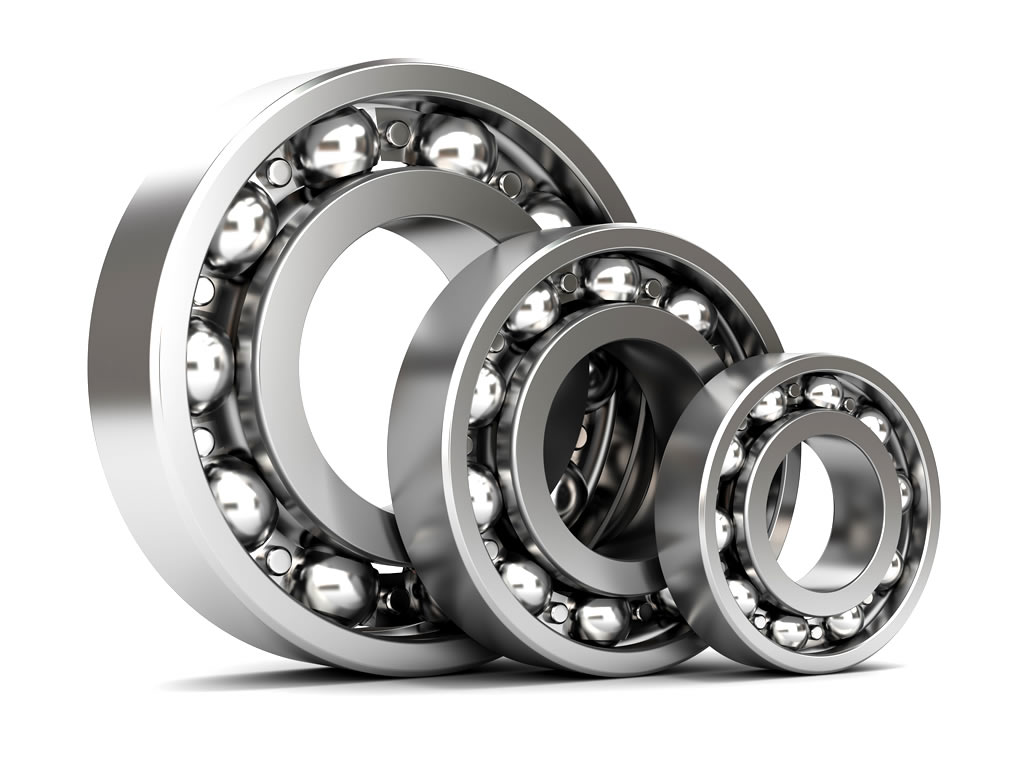
The applications of hardened steel are incredibly widespread, touching nearly every aspect of our existence. Think about your kitchen. That favorite chef's knife that slices through vegetables with effortless precision? Chances are its blade has been hardened to maintain that razor-sharp edge. What about your trusty screwdriver or wrench? Hardened steel ensures their tips don't strip or deform when you apply torque, saving you a lot of frustration. Even seemingly mundane items like the gears in your car's transmission or the ball bearings that allow things to spin smoothly are often made from hardened steel to withstand constant friction and heavy loads. In construction, drill bits that chew through concrete, cutting tools used in machining, and even the tough parts of heavy machinery rely on this enhanced durability. From tiny watch components to massive industrial presses, wherever strength, precision, and longevity are paramount, you'll likely find hardened steel playing a crucial role.
Must Read
Exploring the world of hardened steel is easier and more interesting than you might think! Next time you're at a hardware store, take a moment to compare the price and feel of different tools – often, higher-quality items are distinguished by their hardened components. Pick up a premium screwdriver versus a budget one; you might even feel a difference in weight or density, hinting at the quality of the steel. You can also do a quick online search for "how steel is hardened" or "types of tool steel" to see fascinating videos and explanations of the processes involved. Or simply appreciate the everyday objects around you: the scissors that snip fabric cleanly, the durable components of your bicycle, or even a well-made garden trowel. Each one is a testament to the quiet strength and clever engineering behind hardened steel, a material that empowers our tools and enriches our world in countless, often unseen, ways.