What Is Good Temperature For House In Winter
Ah, winter. The time for cozy blankets, hot cocoa, and snuggling up with a good book. But what's the secret ingredient that truly makes winter enjoyable? It's all about finding that perfect temperature inside your home. We all crave that indoor oasis where the chill of the outside world simply melts away. But finding that sweet spot can feel like a constant battle with the thermostat.
So, why is maintaining a good indoor temperature so important? Beyond the obvious comfort factor, it plays a crucial role in your health and well-being. A consistently warm home can help prevent colds and flu by keeping your immune system strong. It's also crucial for preventing issues like hypothermia, especially for vulnerable individuals like the elderly and young children. Maintaining a steady temperature can also improve your sleep quality. A cold room can disrupt your sleep cycle, leading to restlessness and fatigue. And let's not forget the energy bill! Finding the right temperature balance can significantly impact your monthly expenses.
You'll see the principle applied everywhere: from homes with central heating systems diligently set by their owners, to offices with programmable thermostats, and even hotels offering climate-controlled rooms for ultimate guest comfort. Think about heated blankets, space heaters strategically placed for extra warmth, and even layering clothing to maintain that feeling of thermal balance. These are all examples of how we adapt to the cold and create comfortable living spaces during the winter months.
Must Read
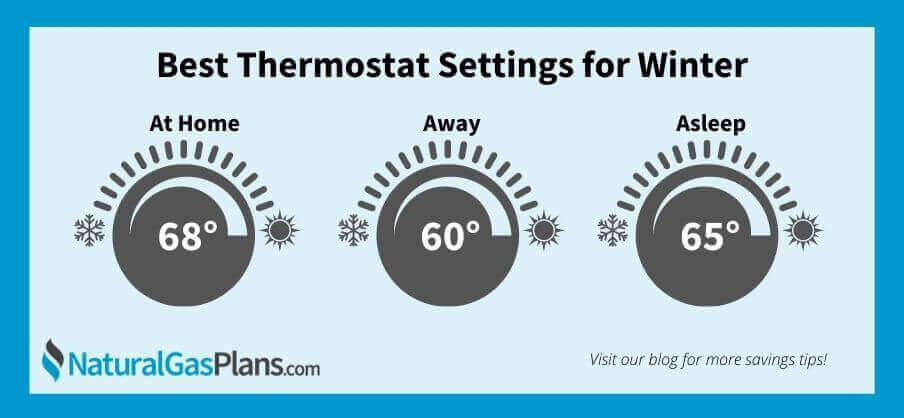
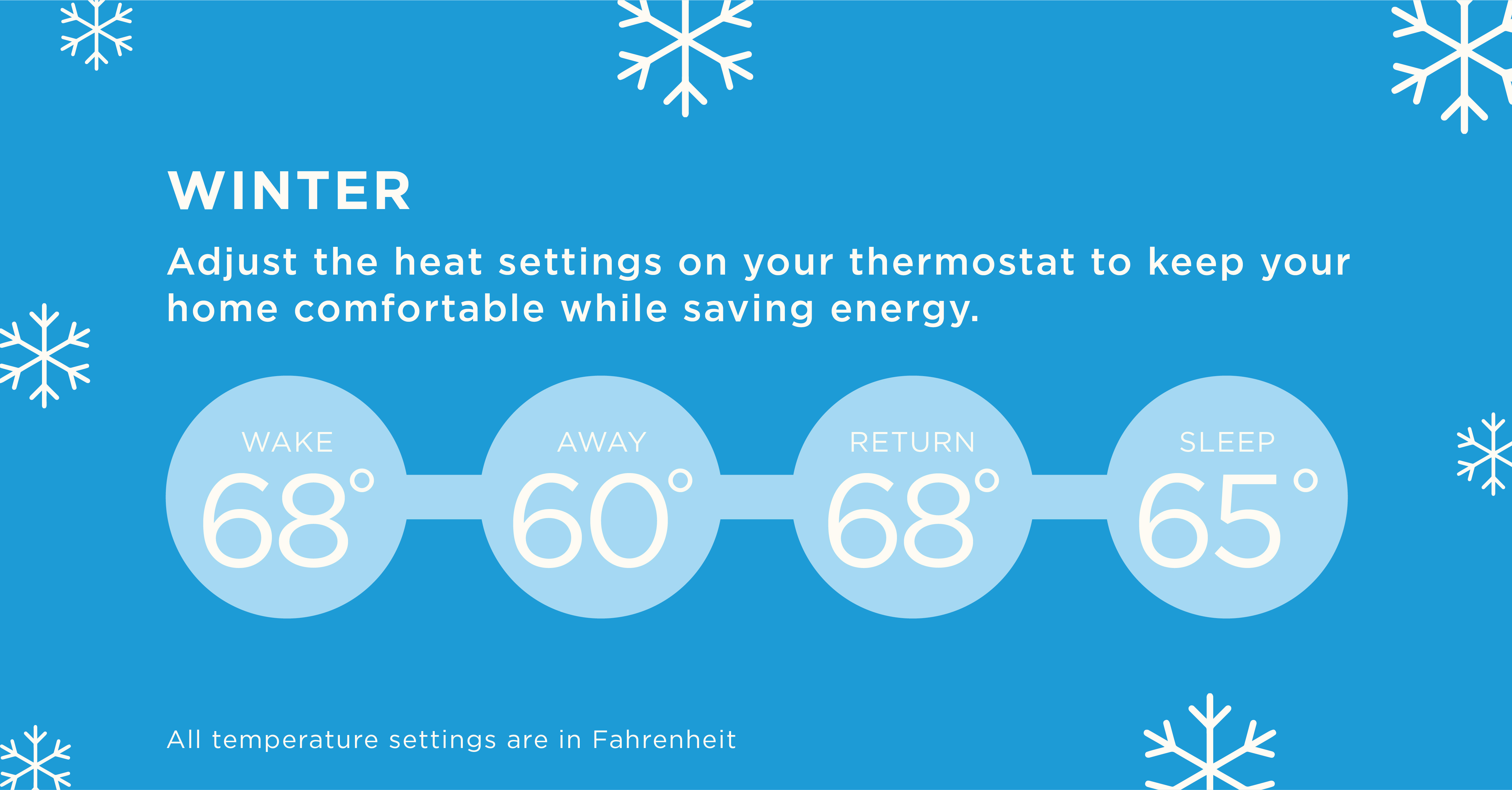
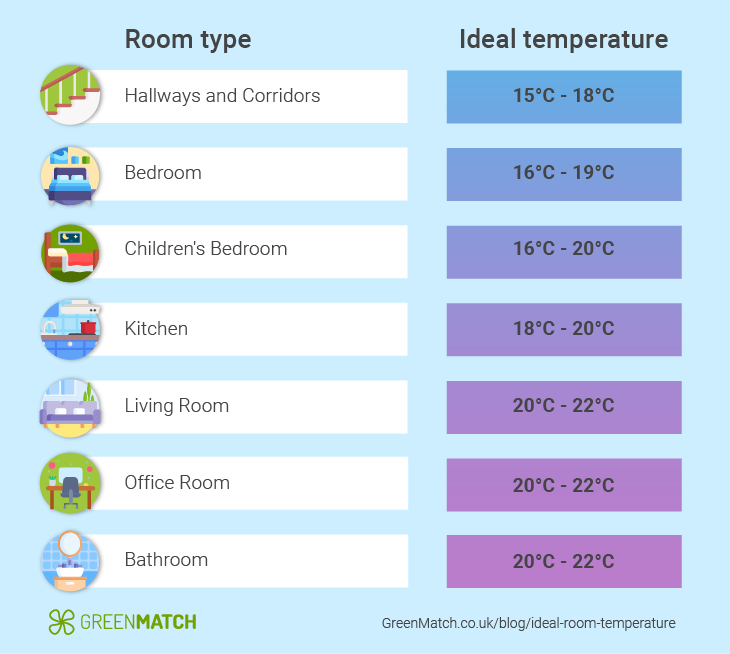
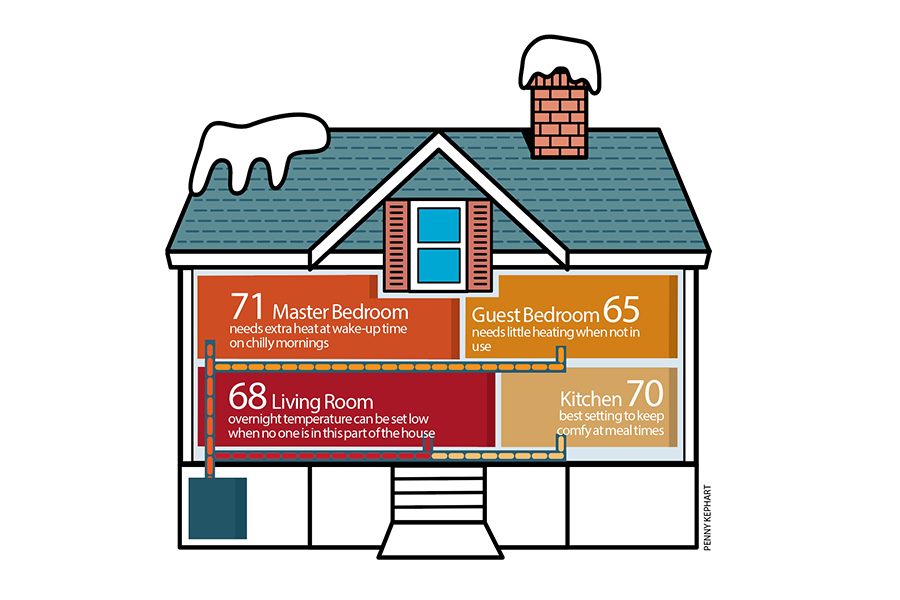
Now, for the million-dollar question: what is the ideal temperature? While personal preference reigns supreme, experts generally recommend a temperature between 68 and 72 degrees Fahrenheit (20-22 degrees Celsius) during the day. At night, you can lower the thermostat to around 60-67 degrees Fahrenheit (15-19 degrees Celsius). This slight drop can actually improve your sleep quality and save you money on your heating bill.
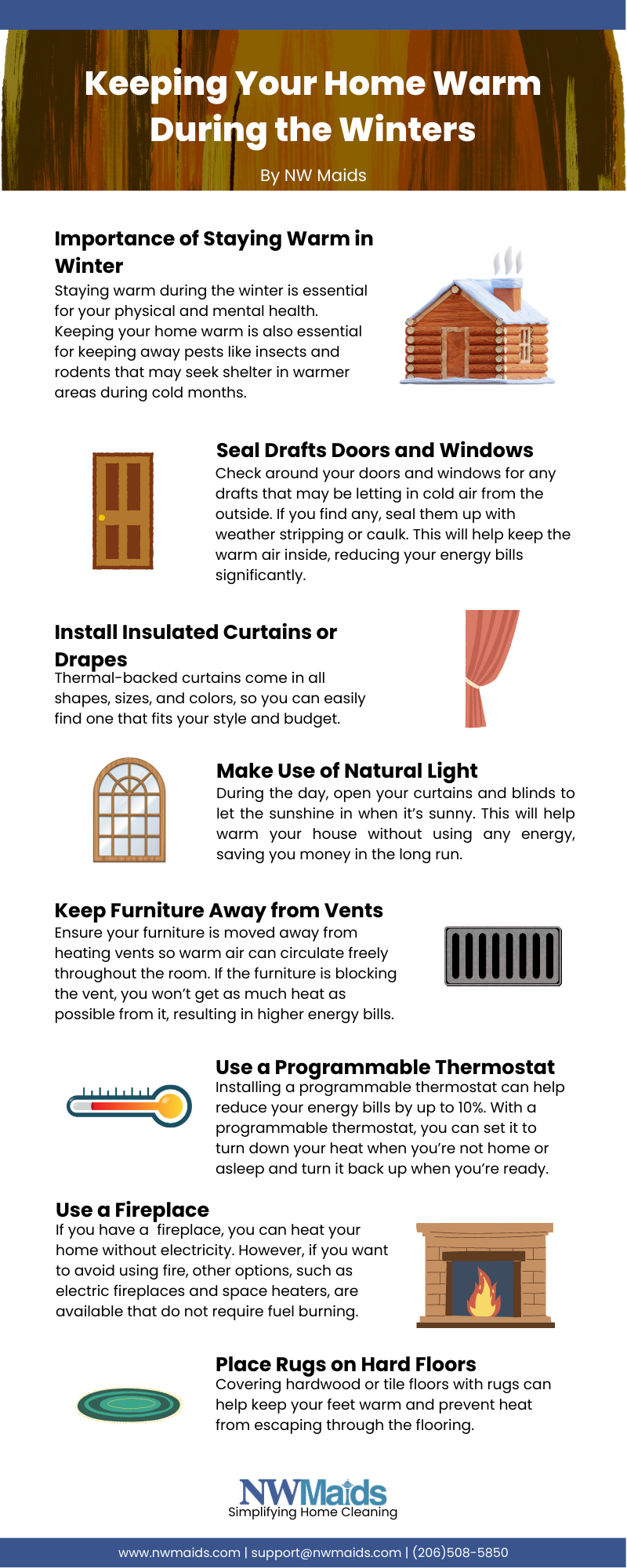
Here are some practical tips to enjoy your cozy winter even more effectively:
- Invest in a programmable thermostat: Set it to automatically lower the temperature when you're asleep or away from home.
- Seal those drafts: Use weather stripping and caulk to seal gaps around windows and doors. This prevents heat from escaping and cold air from entering.
- Layer up: Wear warm clothing, even indoors. Think cozy sweaters, socks, and slippers.
- Use a humidifier: Dry air can make a room feel colder than it actually is. A humidifier adds moisture to the air, making it feel warmer and more comfortable.
- Reverse your ceiling fan: Most ceiling fans have a reverse switch that allows them to circulate warm air trapped near the ceiling.
- Open curtains during the day: Let the sunlight warm your home naturally. Close them at night to insulate against the cold.
Ultimately, the best temperature for your house in winter is the one that keeps you comfortable, healthy, and happy. So, experiment, find what works best for you, and enjoy the warmth and comfort of your home all winter long!