
What Is Geothermal Power And How Does It Work
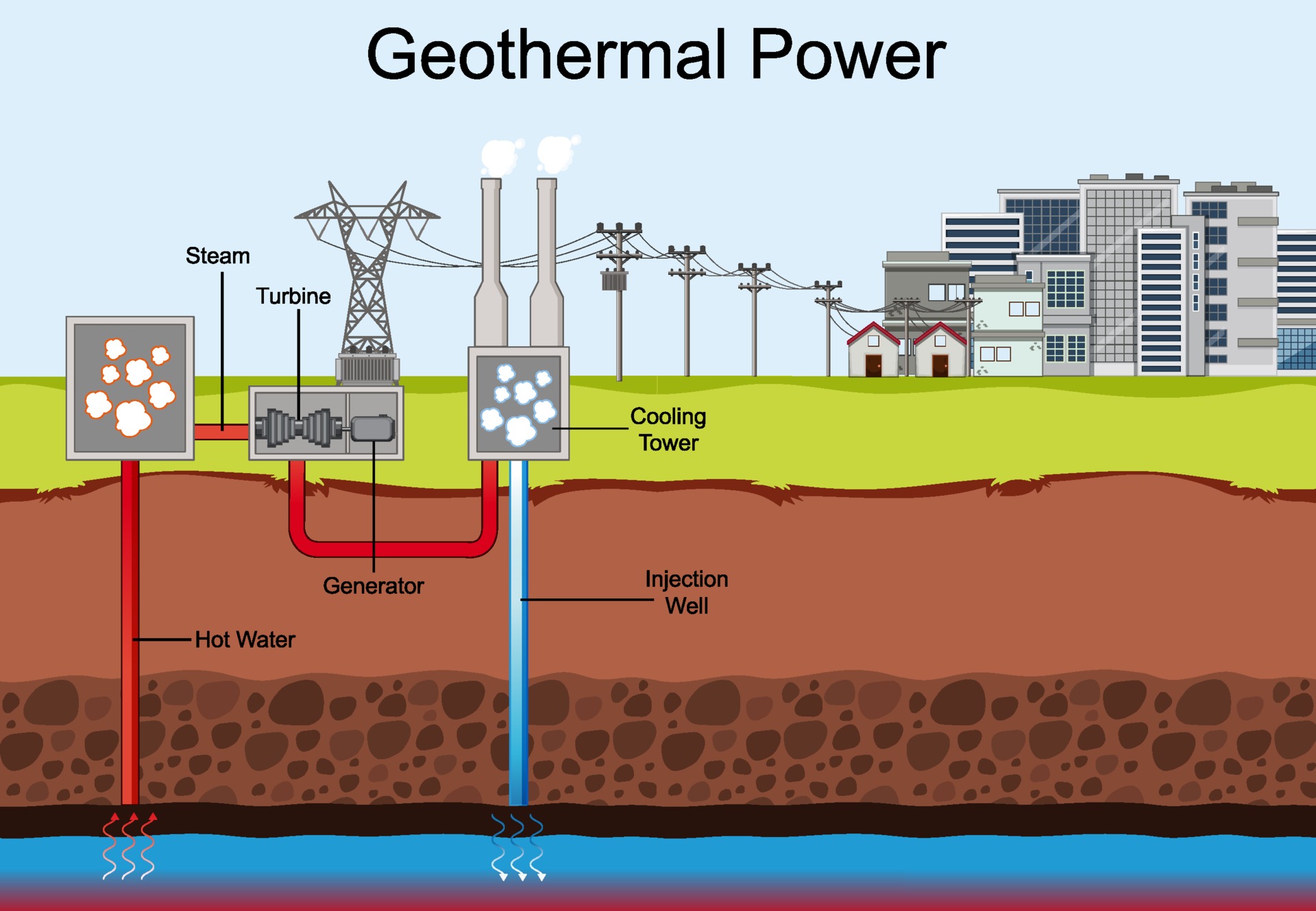
Hey there, earthlings! Ever wondered about the planet beneath your feet? I'm not talking about worms and lost socks, but about a HUGE source of energy that's just chillin' down there, waiting to be tapped. I’m talking about geothermal energy. Sounds kinda sci-fi, right? But trust me, it's cooler than you think.
So, what is geothermal energy, exactly? Think of it like this: the Earth is like a giant, slow-cooker. It's been simmering for billions of years, creating a TON of heat deep inside. This heat isn't just some abstract concept; it's a real, tangible force that we can actually use to power our lives. Pretty neat, huh?
How Does It Work? It's Simpler Than You Think!
Okay, let's break down the process. How do we actually get that heat from deep underground? Well, it's all about accessing the Earth's natural hot water and steam reservoirs. These reservoirs are basically underground pools of superheated water, just waiting for their moment in the sun (or, you know, for us to drill a hole and let them out!).
Must Read
There are a few different ways to tap into this resource, but the basic idea is the same: use the Earth's heat to generate electricity or heat buildings directly. Let’s explore some common methods:
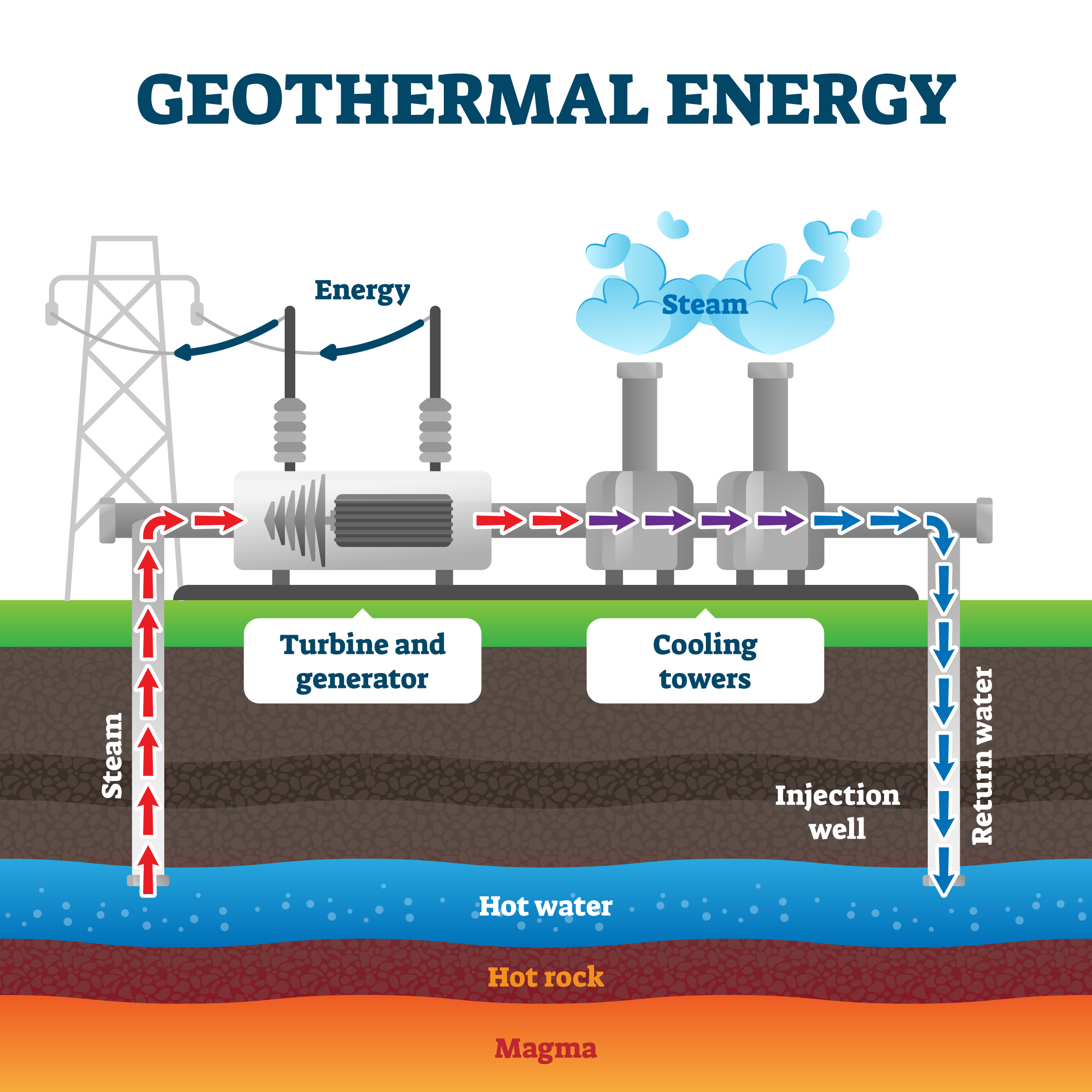
1. Geothermal Power Plants: These plants are like giant tea kettles, but instead of using a stovetop, they use the Earth's internal heat. We drill wells down to the hot water reservoirs, and the steam that rises up is used to spin turbines, which then generate electricity. It's basically like a really, really big steam engine!
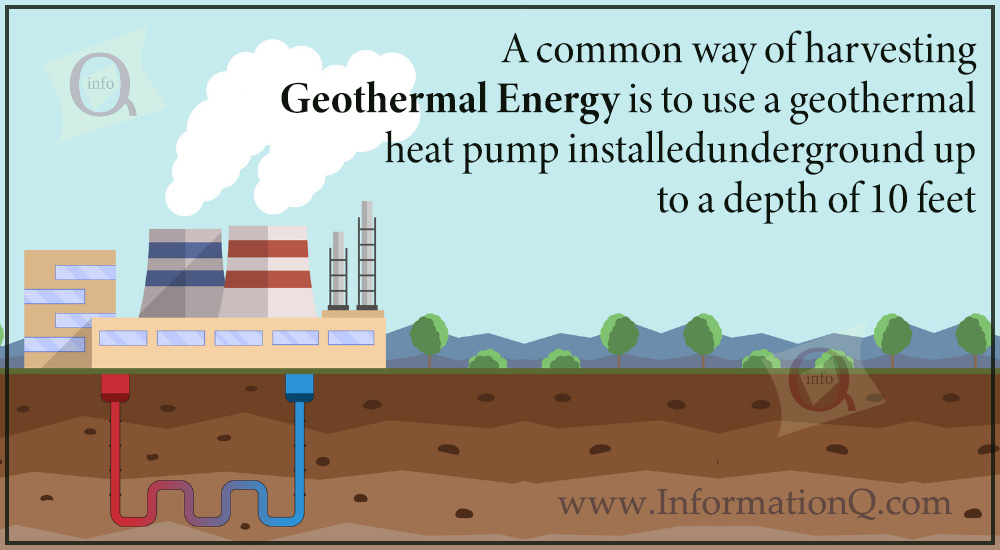
There are three main types of geothermal power plants, each with its own unique way of harnessing the steam: dry steam, flash steam, and binary cycle. Don't worry too much about the details – the important thing is that they all use the Earth's heat to make electricity.
2. Geothermal Heat Pumps: These are more like personal climate control systems for your home. Instead of tapping into deep underground reservoirs, they use the relatively constant temperature of the Earth a few feet below the surface. Think of it like this: your basement is always cooler in the summer and warmer in the winter, right? Geothermal heat pumps use that principle to efficiently heat and cool your home.

They work by circulating a fluid through underground pipes. In the winter, the fluid absorbs heat from the ground and transfers it into your home. In the summer, the process is reversed – the fluid absorbs heat from your home and transfers it back into the ground. It's a super efficient and environmentally friendly way to regulate your home's temperature. Kinda like giving your house a personal Earth-powered air conditioner!
Why Should We Care? Because It's Awesome!
So, why all the fuss about geothermal energy? What makes it so cool? Well, for starters, it's a renewable resource. The Earth's heat is constantly being replenished, so we're not going to run out of it anytime soon. Unlike fossil fuels, geothermal energy doesn't contribute to climate change or air pollution. In a world increasingly concerned about the environment, that’s a pretty big deal, wouldn't you say?
Plus, geothermal power plants are reliable. They can operate 24/7, regardless of the weather. No need to worry about cloudy days (like with solar power) or calm winds (like with wind power). Geothermal is always there, humming along, providing clean energy to our homes and businesses. It's like a reliable friend who's always got your back.

And get this – geothermal energy can be used for more than just generating electricity. It can also be used for direct heating, like heating buildings, greenhouses, and even fish farms. It's a versatile resource with a wide range of applications. Pretty amazing, right?
Are There Any Downsides? Of Course.
Okay, let’s keep it real. No energy source is perfect, and geothermal energy has its challenges. One of the main concerns is the cost of drilling and building geothermal power plants. It can be a significant upfront investment, which can deter some developers. Plus, geothermal resources aren't evenly distributed around the world. Some regions are just naturally better suited for geothermal energy than others.
Also, there's a small risk of induced seismicity (earthquakes) associated with geothermal operations, although this is rare and carefully monitored. It's kind of like when you're baking a cake, and you have to be careful not to over-mix the batter, or it'll get tough. We have to be mindful and careful when tapping into the Earth's energy, but the benefits are enormous.
The Future is Hot! (Literally)
Despite these challenges, geothermal energy is a promising source of clean, renewable power. As technology improves and costs come down, we're likely to see more and more geothermal projects popping up around the world. It's a sustainable way to meet our energy needs while protecting the planet. What’s not to love?
So, next time you're feeling a little chilly, remember the Earth's internal furnace, churning away beneath your feet. Who knows, maybe someday soon, your home will be powered by the heat of the Earth itself. Now, that’s a future I can get behind!