
What Is Fossil Fuel Made Up Of

Ever Wonder What’s in That Gas Tank?
We use it every single day. To power our cars, light up our homes, and generate much of our electricity. But have you ever really paused to ponder: what exactly is fossil fuel made of?
It sounds incredibly complex, doesn't it? Like some highly engineered concoction. Or maybe a secret ingredient known only to ancient alchemists. Well, get ready for a delightfully simple revelation.
Because the truth, my curious friends, is wonderfully, almost comically straightforward. It's probably an "unpopular opinion" to state it so bluntly, but frankly, it's just… truly, spectacularly old stuff.
Must Read
The Not-So-Secret Ingredient: Ancient Life
Let's skip the suspense and cut right to the core of the matter. The absolute main ingredient in all the fossil fuels we cherish? Life itself. Yes, good old organic matter from living things.
We're talking about the long-ago remnants of plants, tiny sea creatures, and even some obscure forest critters. Not shiny minerals from deep space, just the humble building blocks of life.
Imagine the Earth, not as it is today, but millions upon millions of years in the past. Vast, steamy swamps, sprawling ancient seas, and incredibly dense forests. Life was thriving, just in a different, wilder way.
These ancient living things, much like everything else, eventually completed their life cycles. And it’s right at that point, when they died, that our remarkable story truly begins. They didn't always just vanish into thin air.
From Greenery to Goo: The Plant Story
Picture a gigantic, primeval swamp, dripping with life. Envision colossal ferns, mighty trees, and a thick, vibrant undergrowth everywhere you look. When these impressive plants died, they often fell straight into the water, escaping the usual, quick process of decomposition.
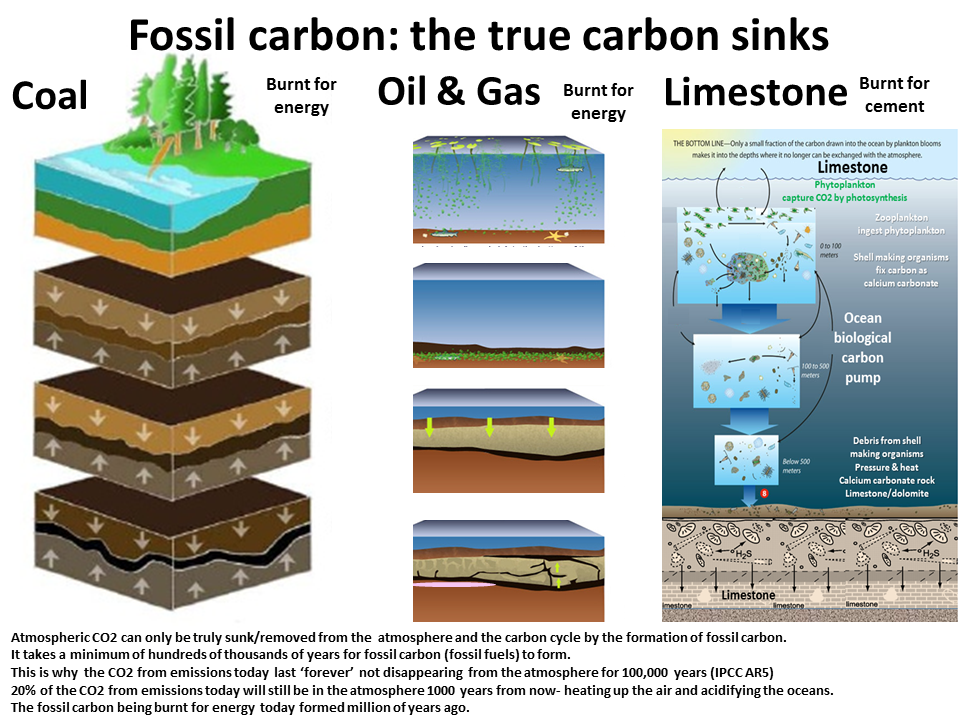
Instead of completely rotting away, they were gradually covered by successive layers of mud, silt, and other sediments. More plants grew, died, and then piled on top. Layer upon layer, year after year, stretching across countless centuries.
This immense, slow burial process did something truly transformative. It relentlessly squeezed and pressed that decaying plant matter. All the water was painstakingly pushed out, leaving behind a highly concentrated form of organic material.
Over an unimaginably long stretch of time—millions of years—with incredible pressure and a touch of the Earth's deep internal heat, that squished plant material underwent a profound transformation. It became denser, darker, and eventually, what we now dig up as coal.
"It's basically a gigantic, super-compressed, ancient plant smoothie that got baked underground for an eon or two. Maybe even three."
So, the next time you encounter a lump of coal, understand you're not just looking at a mere rock. You're actually holding the fossilized remains of a forgotten, prehistoric forest, utterly transformed by the patient hand of time and geology. It’s absolutely mind-blowing, isn’t it?
Tiny Critters, Big Future: The Sea Story
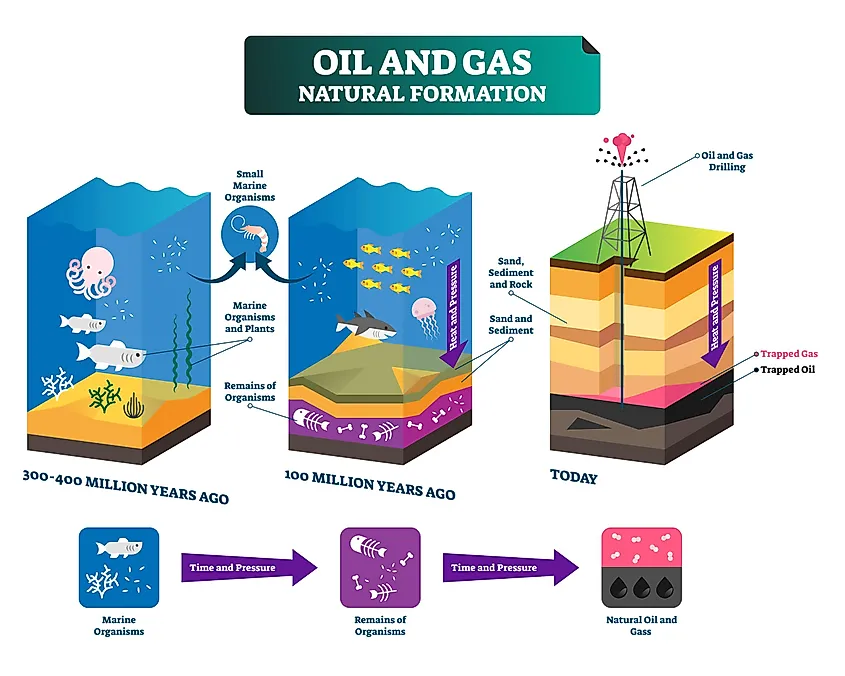
Now, let's take a deep dive, metaphorically speaking, under the vast, ancient waves. The oceans of yesteryear were absolutely bursting with microscopic life. We are talking about unbelievably tiny algae, abundant plankton, and countless other minute, single-celled organisms.
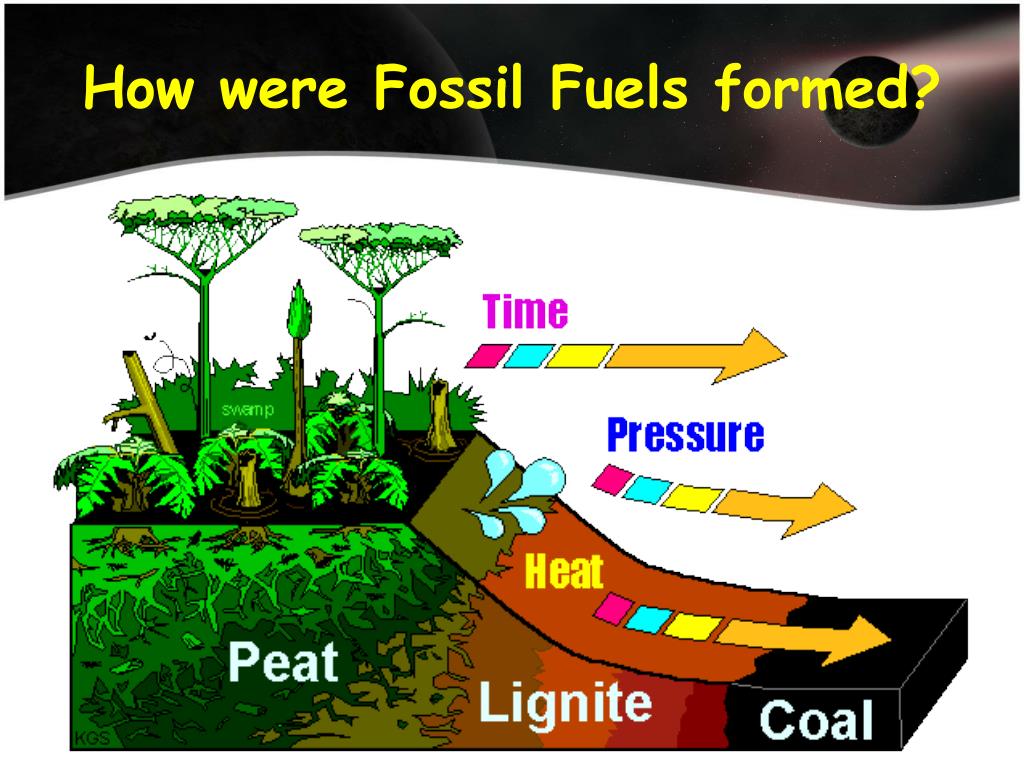
These little guys lived their brief but prolific lives, reproducing in staggering numbers. And when their time came, they didn't just drift away into oblivion. They gently, slowly sank to the seabed, forming an incredibly rich, organic sludge.
Just as with the plants on land, these marine organisms eventually got buried. Layer after layer of fine mud, soft sand, and more dead tiny creatures progressively piled on top. The sheer weight grew heavier and heavier, building up over geological timescales.
Deep, deep beneath the ocean floor, this accumulating organic soup began to "cook." The Earth's internal heat provided the necessary warmth, and the immense pressure from all those overlying sediments did the essential squishing and compacting.
This incredibly long, slow cooking process, stretching across many millions of years, painstakingly transformed that gooey mix. It changed the complex organic matter into what we now skillfully extract as liquid oil.
Sometimes, if the cooking continued for even longer, or if the temperatures were substantially higher, some of that oil would transform further still. It would convert into lighter, easily combustible gaseous compounds. And just like that, you have natural gas!
"From countless microscopic sea bugs to the essential fuel in your car – it's an astonishing journey only Mother Earth could possibly orchestrate."
The Earth's Slow Cooker: Heat, Pressure, and Time
So, the "secret recipe" for all fossil fuels isn't some incredibly complex, multi-step chemical formula from a textbook. It truly only has three primary ingredients, besides the ancient life itself: immense heat, tremendous pressure, and an absolutely staggering amount of time.
Just try to imagine cooking a magnificent meal, but instead of taking mere minutes or hours, your recipe demands millions of years. And instead of a conventional oven, you’re utilizing the colossal, crushing weight of continents and the deep, radiating warmth from the Earth's very core.
The deeper the organic matter gets buried beneath the surface, the hotter it inevitably becomes. The more layers of earth and rock that pile on, the greater the crushing pressure. It's this perfect, slow-motion, geological combination that magically works its wonders.
Without these truly immense and persistent geological forces, those ancient plants would have simply decayed into regular, nutrient-rich soil. And those billions of tiny sea creatures? They would have just provided a bit of extra food for other marine life on the ocean floor.
Your "Unpopular" Opinion Moment
So, here’s the rather fun, slightly "unpopular" take on the whole matter. What are we truly burning, igniting, and consuming when we utilize fossil fuels? In essence, we're burning incredibly old, super-compressed bio-waste. We are literally igniting the transformed, ancient remains of long-forgotten swamps and countless, long-dead plankton.

It’s not some mystical alien fuel source, or an incomprehensible marvel of modern scientific chemistry. It’s simply the natural, patient result of Earth’s incredibly long, deliberate process of recycling and profound transformation. It’s nothing more, and nothing less, than incredibly, incredibly old organic material.
That efficient gasoline propelling your car down the highway? Once upon a cosmic time, it might very well have been a tiny, wiggling single-celled organism in a primordial sea. That comforting natural gas heating your home on a chilly evening? Perhaps it represents the last, transformed breath of a lush Jurassic fern.
"It's quite literally burning history. A historical bio-fuel from way, way, way back when. Think about it."
It sounds almost too utterly simple to be genuinely true, doesn't it? But sometimes, perhaps most often, the greatest, most astounding wonders of our remarkable world are born from the most straightforward, most fundamental, and incredibly patient processes. Just on a truly epic, mind-boggling timescale.
A Playful Toast to the Ancients
So, the very next time you're happily filling up your car's fuel tank, or perhaps casually flicking on a light switch, take a brief moment. Offer a silent, playful nod of appreciation to the ancient swamps and the teeming primeval oceans.
Those tiny plants and the microscopic creatures from eons ago are, even now, still doing their crucial bit. They truly are the unsung, long-dead heroes who continue to power so much of our bustling, modern world.
Remember, it's not some kind of unfathomable magic. It's just astonishingly, incredibly, unbelievably old, exquisitely squished-up life. And that, in itself, is a pretty spectacularly humbling and fascinating thought to ponder!