
What Is Ferrous And Non Ferrous

Ever wondered why some magnets cling to your fridge with all their might, while others just slide right off certain pots or pans? Or why some metal items go rusty outside, and others just... don't? Well, get ready for a fun little peek into the world of metals, specifically the difference between ferrous and non-ferrous. It sounds super science-y, but trust me, it’s actually really useful and quite fascinating once you get the hang of it!
Understanding these two basic categories of metal can be surprisingly beneficial for all sorts of people. For beginners, it's a fantastic entry point into understanding the materials that make up our world, from cars to coins. It demystifies everyday objects. Families can turn it into a super simple science experiment – grab a magnet and explore! It’s a great way to teach kids about recycling (sorting cans for aluminum vs. steel, for example) and why certain metals are chosen for different jobs. And for hobbyists, whether you're into DIY, metal detecting, or even just thinking about fixing things around the house, knowing your ferrous from your non-ferrous metals is absolutely fundamental. It helps you choose the right tools, understand material properties, and even identify valuable scrap!
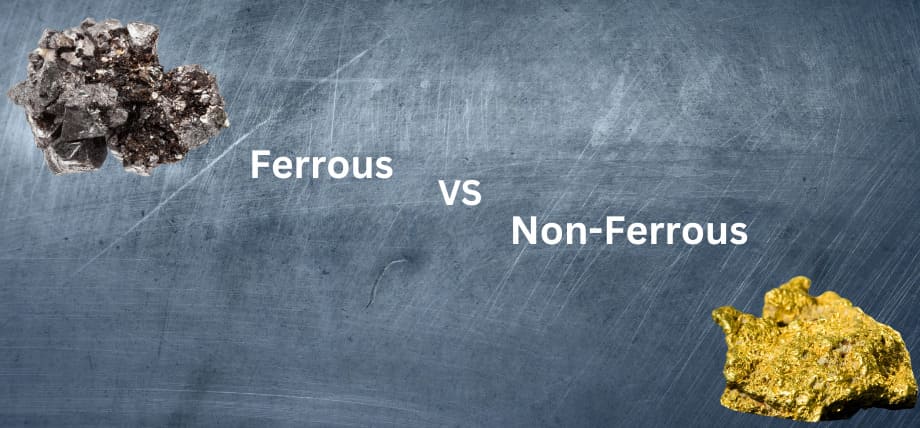
So, let's break it down. When we talk about ferrous metals, we're basically talking about metals that contain a significant amount of iron. Think of a big, strong magnet, and you've got the key characteristic right there: ferrous metals are typically magnetic. The most common examples you’ll encounter are iron itself (like old cast iron pans or fences) and steel, which is an alloy of iron and carbon. Steel is everywhere – in your car, your cutlery, building structures. The downside? Because they contain iron, ferrous metals are prone to rusting (that reddish-brown flaky stuff) when exposed to moisture and air.
Must Read
On the flip side, we have non-ferrous metals. These are metals that don't contain iron as their main component. This means they are generally non-magnetic, and they don't rust in the same way ferrous metals do (though they might tarnish or corrode differently). Think about your everyday soda cans – those are usually aluminum, which is lightweight and non-magnetic. Then there's copper, with its distinctive reddish hue, found in electrical wires and plumbing pipes. Brass, an alloy of copper and zinc, is used for things like door handles and musical instruments. And of course, precious metals like gold and silver are also non-ferrous. Each has its own unique properties, making them suitable for different applications.
Ready to give it a whirl? Here are some simple, practical tips to get started. First, the easiest test: grab a common fridge magnet! Go around your house and test various metal items. Does it stick firmly? It’s probably ferrous! Does it slide off or not stick at all? Chances are it's non-ferrous. Second, keep an eye out for rust. If you see that classic reddish-brown flakiness, you're almost certainly looking at a ferrous metal. Third, observe the color and weight. Copper has a distinct reddish-brown color, while aluminum is usually silvery-white and surprisingly light. You'll quickly start to notice patterns.
See? It's not just some obscure scientific jargon. Knowing the difference between ferrous and non-ferrous metals is a genuinely fun and useful bit of knowledge. It helps you understand why your bike is lighter than your car, why some pots work better on induction cooktops, and even how to sort your recycling more effectively. So, go forth, grab a magnet, and start exploring the fascinating metallic world around you!


