What Is Duty Cycle On Welders
Alright, friend, pull up a chair. Let's talk about something super cool, maybe a little nerdy, but definitely essential if you ever mess around with a welding machine. We're diving into the mysterious world of Duty Cycle. Sounds like something out of a superhero comic, right? Like Captain America’s duty cycle is always 100% patriotic. Well, for welders, it’s just as heroic, but in a much more sparky way!
So, what is this beast? Imagine your welder as a super-strong athlete. It can lift incredibly heavy weights (create intense heat for welding), but it can't do it forever without a break. That break is crucial. Duty Cycle is essentially how long your welder can weld non-stop before it needs a little breather. It’s its personal "power nap" indicator.
Here’s the quirky part: it's measured in a 10-minute period. Yep, just ten minutes. Not an hour, not a day, but a neat, tidy ten. Why ten? Is it some ancient welding secret? Did a bunch of welders decide it over a coffee break? Who knows! But it's the standard, and it makes things wonderfully simple.
Must Read
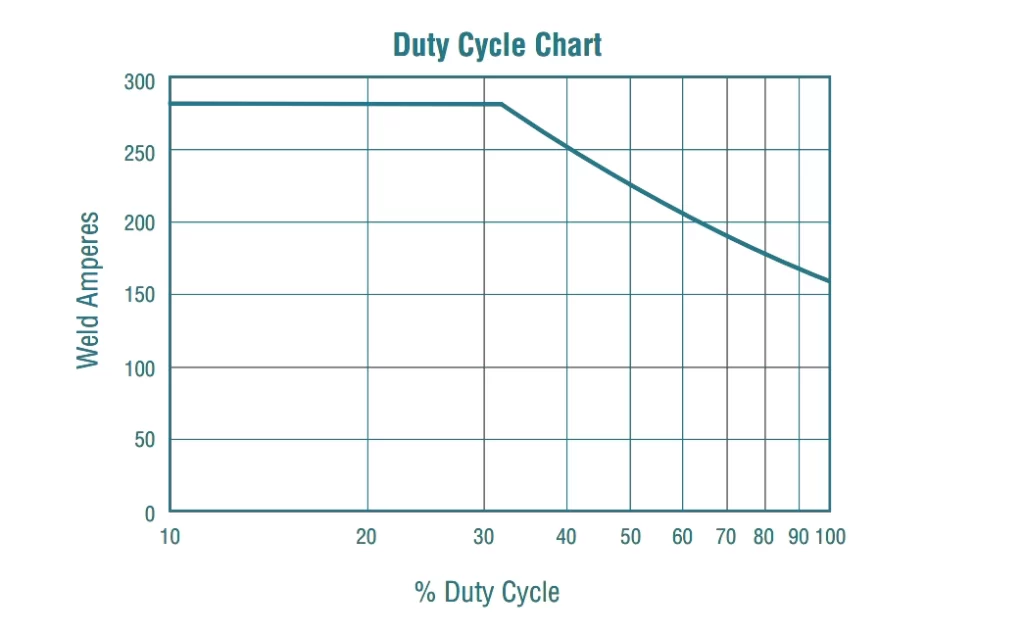
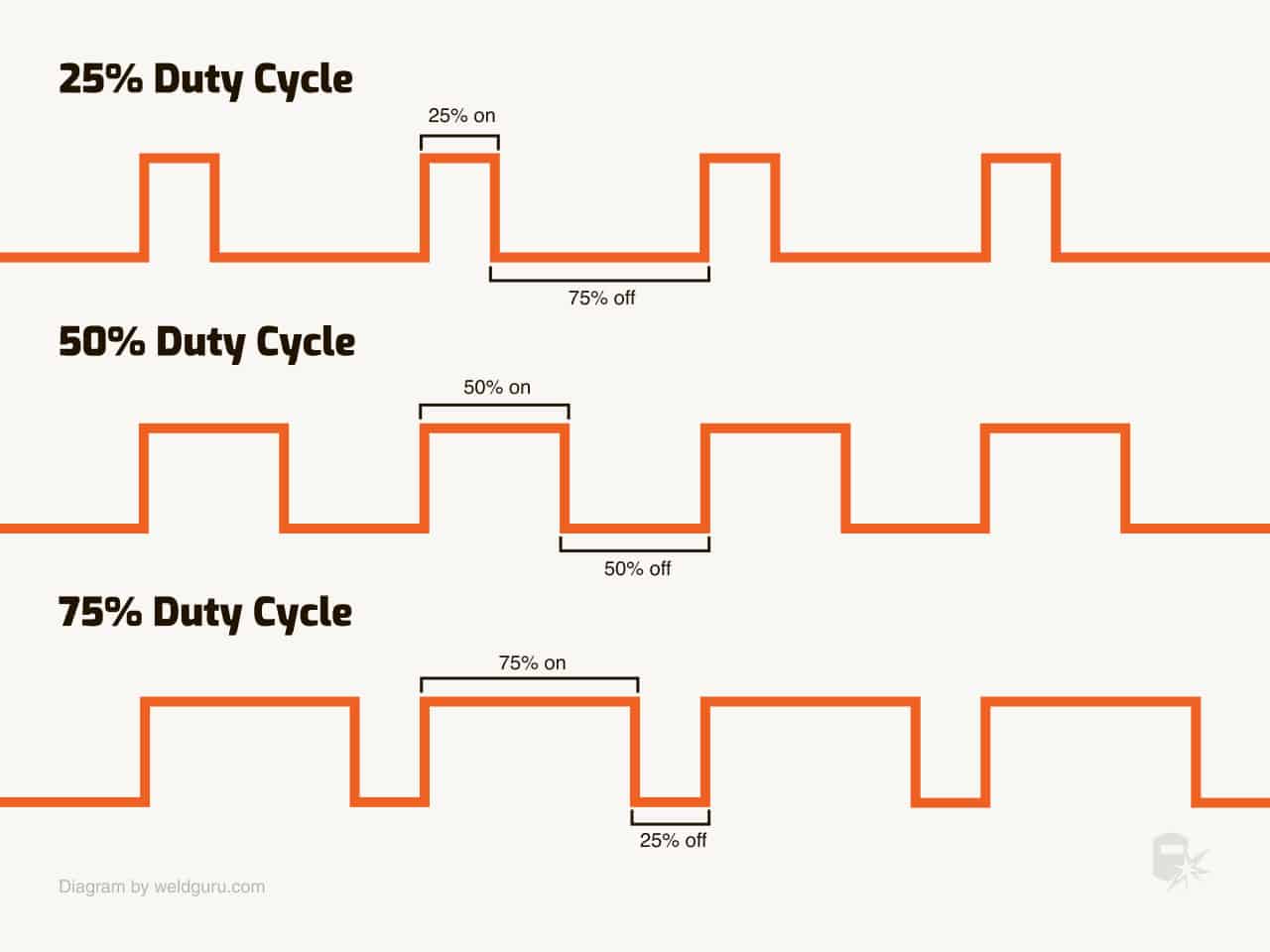
Let's say your fancy new welder boasts a "60% Duty Cycle at 100 Amps." What does that even mean? Don't sweat it. It simply means that at a power setting of 100 Amps, you can weld for 60% of that 10-minute period. Quick math: 60% of 10 minutes is 6 minutes. So, you can weld for 6 minutes straight. After that, your welder needs to chill for the remaining 4 minutes of that cycle. Think of it like a tiny, metal-melting espresso machine that can only pump out coffee for 6 minutes before it absolutely demands a wipe-down and a cool-off.
Why Does This Even Matter?
Good question! Because nobody wants a sad, smoking, burnt-out welder. Pushing your machine past its duty cycle is like making your marathon-runner friend sprint the entire race. They’ll either seize up, dramatically collapse, or start making some really unhappy noises. For a welder, that means overheating. And overheating can lead to some expensive repairs or, even worse, a completely fried machine. Not fun, my friend, not fun at all.

Your welder has sensitive guts – wires, transformers, circuitry – all working super hard. When you're welding, you're generating serious heat, both in your workpiece and inside the welder itself. That "rest" period isn't just for show; it's when the internal fans kick into high gear to cool everything down, protecting those precious components.
Imagine the tiny, overworked gremlins inside your welder furiously fanning themselves during that break. It’s a delicate balance, this art of melting metal.
Not All Welders Are Created Equal
This is where duty cycle becomes super helpful for choosing the right machine. Are you a weekend warrior, patching up garden tools and making funky yard art? You probably don't need a welder with a super high duty cycle. A hobbyist machine might have a 20% duty cycle at a certain amperage. That means you get 2 minutes of welding time out of every 10. Perfect for quick welds, then you can grab a beverage while your machine recharges its internal batteries.
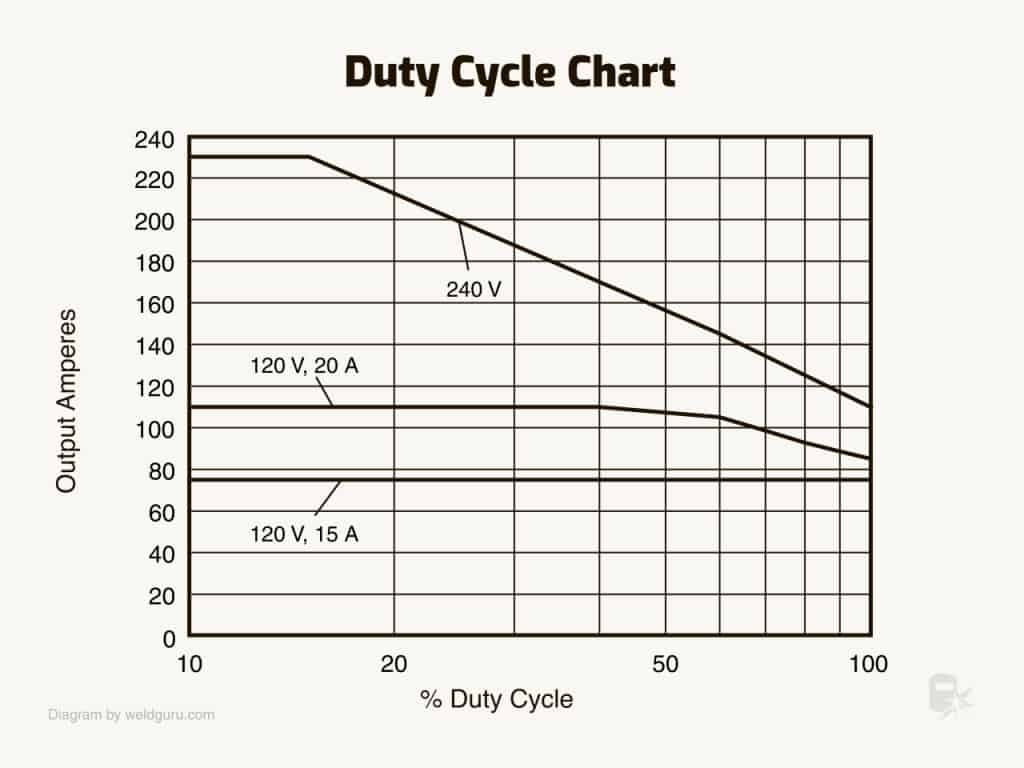
But if you're building a battleship, fabricating heavy industrial parts, or welding non-stop for hours, you’ll need a beast with a much higher duty cycle – sometimes 80% or even 100% at certain power levels. These machines are built like tanks, with massive cooling systems, ready to go all day, every day. They're the marathon runners of the welding world, built for endurance.
The Ol' Thermal Overload
What happens if you ignore the rules and just keep welding? Most modern welders are pretty smart. They have built-in thermal overload protection. If you push them too hard, they'll usually just shut down with a grumpy "nope!" and maybe a blinking light. They won't let you damage them. It's their way of saying, "Hey, pal, I need a break. Seriously."
It’s kind of like your phone telling you it's too hot to take a photo. Annoying, but ultimately for its own good. So, when your welder goes quiet and gives you the cold shoulder, just remember it’s protecting itself (and your wallet!).
The Takeaway? Embrace the Break!
Understanding duty cycle isn't just about technical specs; it’s about being a smarter, more efficient, and happier welder. It’s knowing your machine's limits, respecting them, and getting the most life out of your awesome metal-melting tool.
Next time you see those numbers on a welder, you won't just see percentages and amps. You'll see a tiny window into its endurance, its personality, and its need for a well-deserved time-out. So go forth, spark joy, and give your welder its proper coffee break!