What Is Distribution Charge On Electric Bill
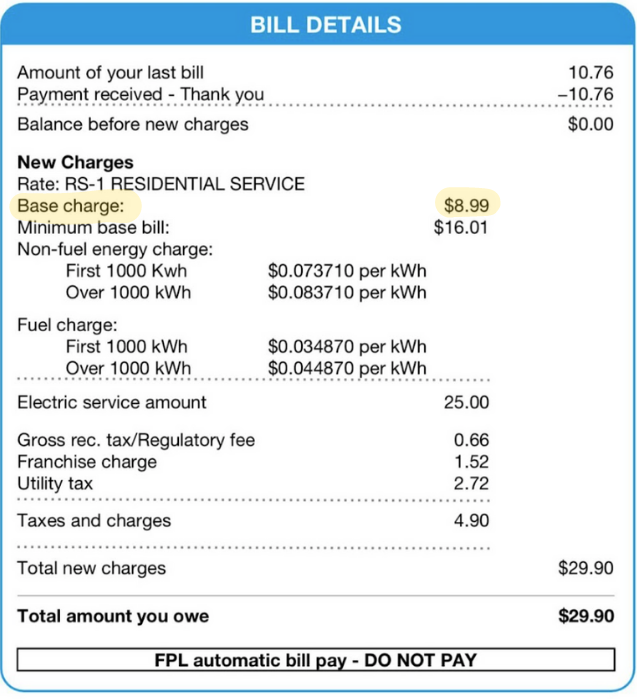
Ever squinted at your electric bill, overwhelmed by a bunch of line items that seem to speak a foreign language? You're not alone! One of those mysterious terms is often the "Distribution Charge." Let's decode it together, in a way that doesn't require an engineering degree or a magnifying glass.
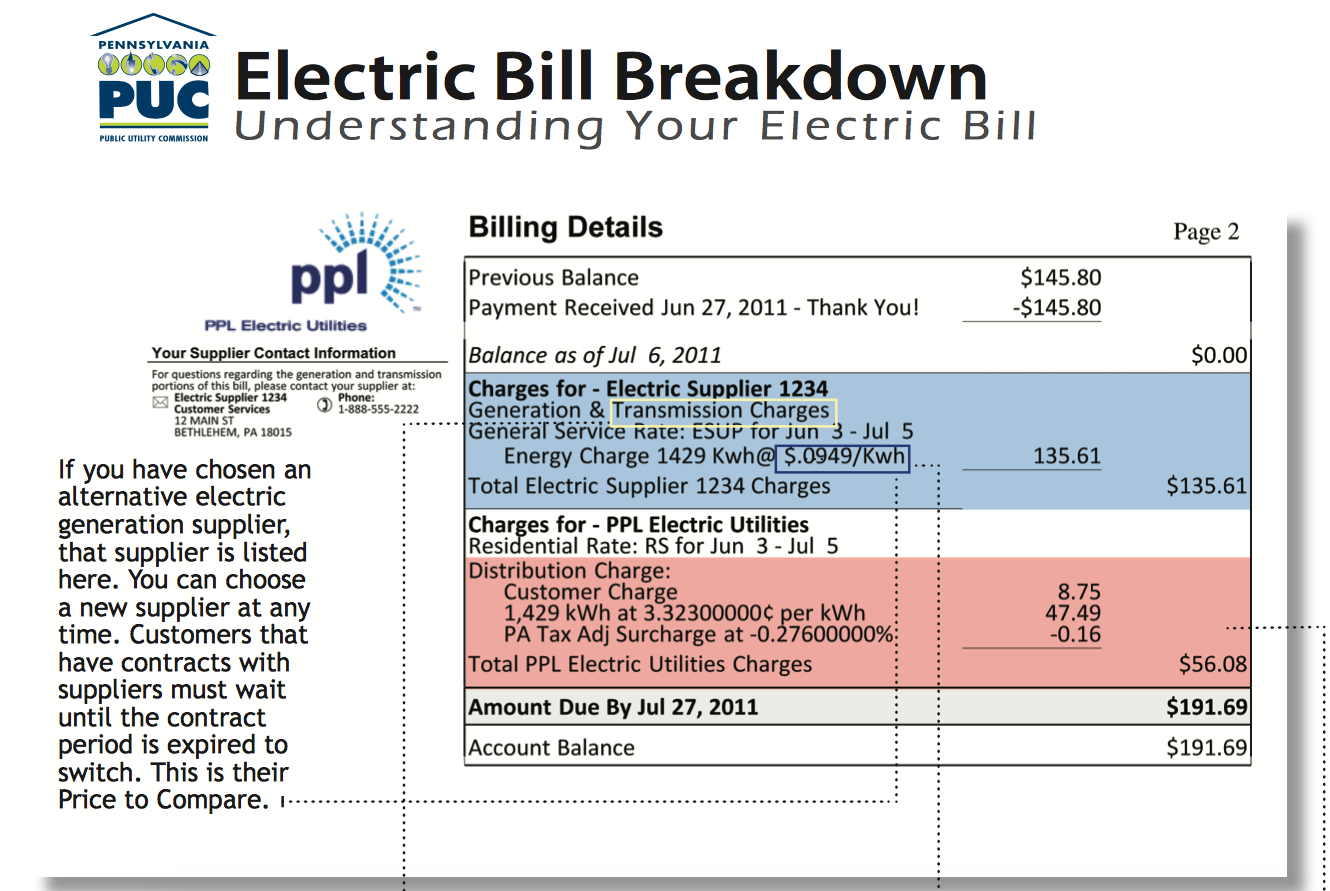
Think of your electricity like a pizza. Seriously! You've got the ingredients (the power generation, the actual electricity being made), and you've got the delivery – getting that delicious pizza (electricity) to your hungry stomach (your appliances). The distribution charge is basically the delivery fee for that electricity pizza.
So, What Exactly IS the Distribution Charge?
The distribution charge covers the cost of building, maintaining, and operating the local network that gets electricity from the power plant to your house. This includes all those poles, wires, transformers, and substations you see around your neighborhood. They're not just pretty decorations (though some might disagree!); they're essential for bringing the power to your lights, your fridge, your TV, and everything else.
Must Read
Imagine it like this: you order a package online. The price of the item is one thing, but then there's shipping and handling. The distribution charge is like that shipping and handling fee, but for electrons instead of socks or books!
Why Should You Care? It's Not Just Money!
Okay, okay, we know what you're thinking: "Another charge on my bill? Great." But hear us out! Understanding the distribution charge can actually help you be a smarter consumer and, potentially, save some money. Here's why:
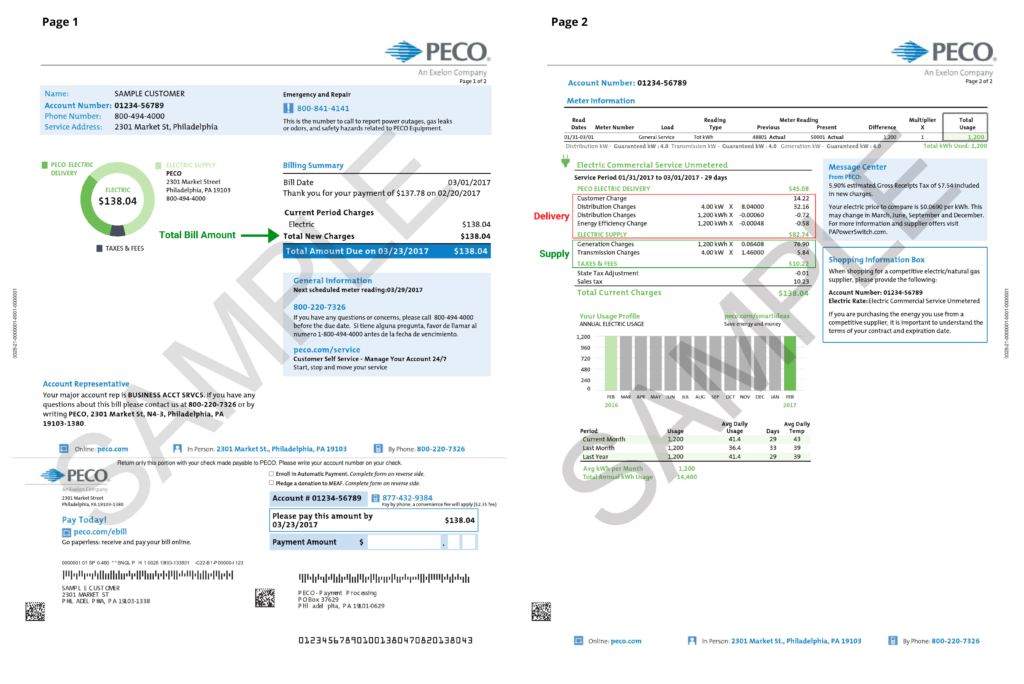
Infrastructure Investment: Your distribution charge contributes to keeping the entire system running smoothly. When you see crews working on power lines, they're ensuring reliable service. Without that maintenance, you might experience more frequent power outages. Think of it as investing in a good plumber – you might not want to pay now, but you'll definitely regret it when the pipes burst!
Understanding Usage: While the supply charge reflects how much electricity you use, the distribution charge can sometimes be affected by peak demand. This means that if everyone in your neighborhood is blasting their AC on a hot summer day, the distribution network is working overtime. Some utilities have programs or pricing that encourage you to use less energy during peak hours, which can help lower your overall bill, including the distribution component.
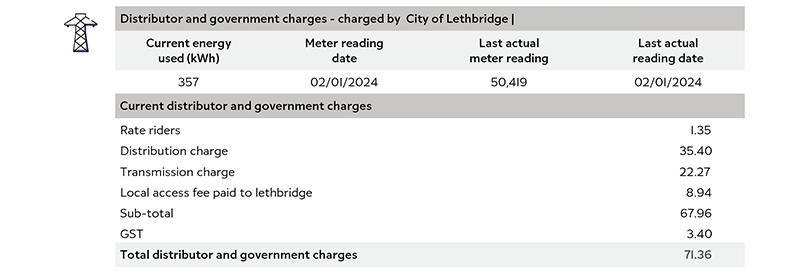
Regulation and Oversight: Distribution charges are typically regulated by state or local authorities. This means they're not just made up numbers! Regulators ensure that utilities are investing in the infrastructure needed to provide reliable service, and that the charges are fair and transparent. It’s like having a referee making sure everyone plays by the rules.
Little Things Add Up
Even small changes in your electricity consumption can have an impact over time. Think about switching to LED bulbs. They use a fraction of the energy of older incandescent bulbs, reducing your overall energy usage. This helps reduce both your supply charge and contributes to easing the strain on the distribution network, ultimately keeping costs down for everyone.
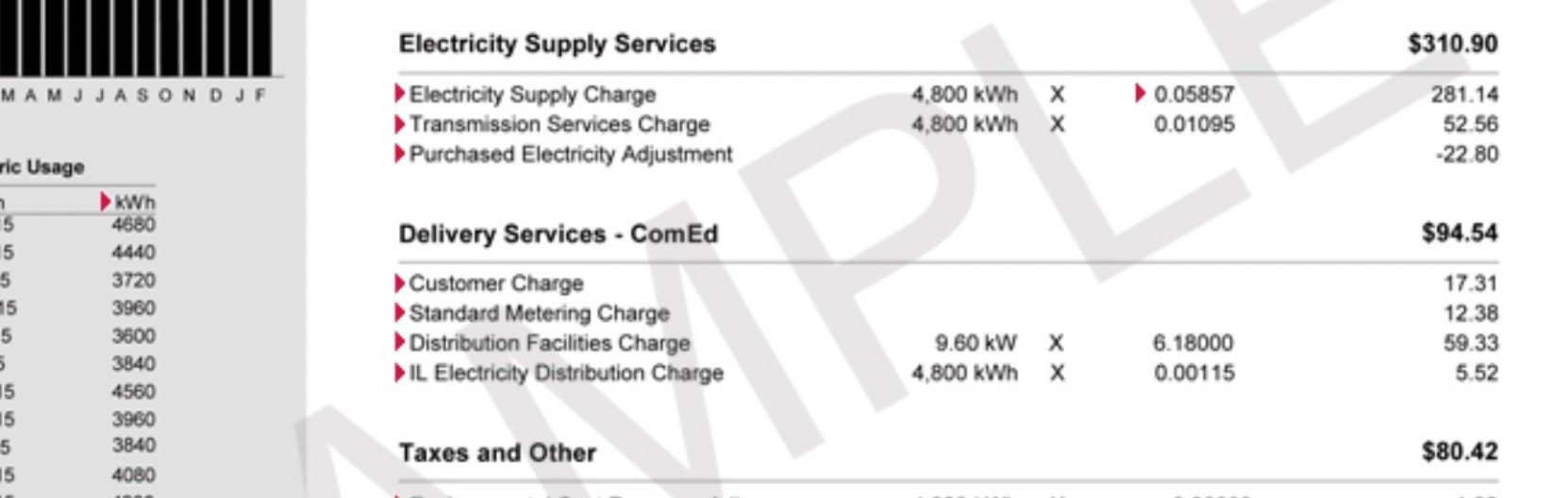
Example Time: Imagine you leave the tap running slightly all day. It seems insignificant, but over time, it wastes a lot of water (and money!). Similarly, leaving lights on in empty rooms or appliances plugged in when not in use might seem small, but they contribute to higher energy consumption and increased costs, affecting both the energy you use and how much strain you put on the electricity "delivery" system.
Demystifying Your Bill: A Small Victory!
Next time you get your electric bill, don't just see a bunch of numbers. Take a moment to understand what the "Distribution Charge" actually represents. It's not some random fee designed to confuse you; it's a necessary part of ensuring that you have reliable access to the electricity you need. Armed with this knowledge, you can make smarter energy choices, understand where your money is going, and contribute to a more sustainable and reliable energy future for your community. You've just leveled up your adulting game!
So, there you have it! Hopefully, the distribution charge is a little less mysterious now. Go forth and conquer your bills! You got this!