What Is Difference Between Inverter And Generator
Ever been at a campsite, basking in the glow of string lights, and wondered how they're powered? Or maybe you've seen a food truck buzzing with activity, all thanks to a portable power source? The chances are, you've encountered either an inverter or a generator. While both provide electricity when you're off the grid, they work in fundamentally different ways. Understanding the difference can unlock a world of possibilities, especially for creative types, hobbyists, and anyone who loves a good DIY project.
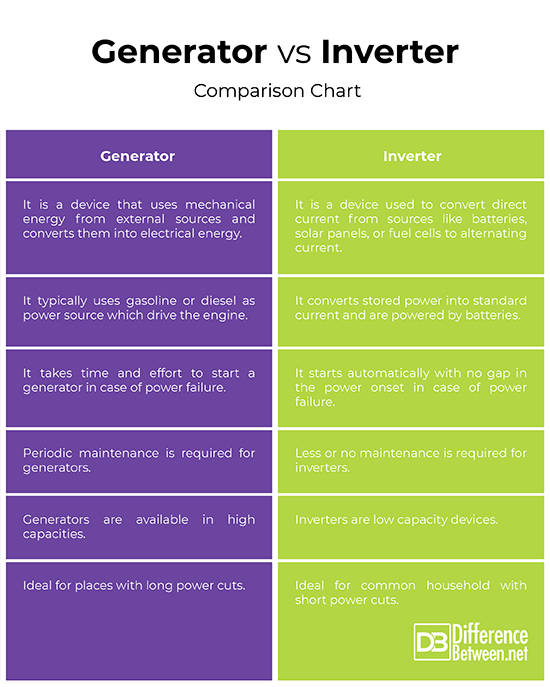
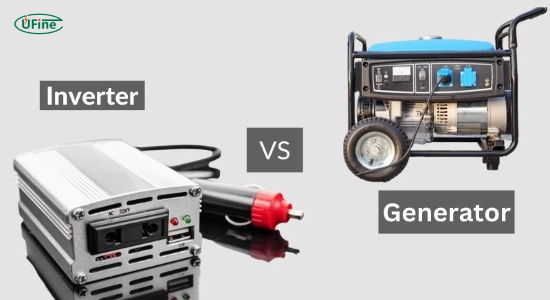
Think of a generator as a mini power plant. It uses a gasoline or diesel engine to mechanically spin a turbine, which then generates electricity. In contrast, an inverter is more like a translator. It takes DC (Direct Current) power, like what's stored in a battery, and converts it into AC (Alternating Current) power, which is what most household appliances use. So, the key difference is how they get their initial power: generators create it, while inverters transform it.
Why does this matter to artists and hobbyists? Imagine a painter who loves working en plein air (outdoors). A portable inverter connected to a battery allows them to power a small electric easel, charge their phone for reference photos, or even run a small airbrush compressor. Sculptors could use inverters to power power tools in remote locations. For casual learners, understanding these differences is crucial for building that perfect off-grid solar power system for your cabin or just being prepared for a power outage.
Must Read
The creative applications are vast. Consider a photographer using an inverter to power studio lighting equipment in a non-traditional setting, creating dramatic and unique portraits. A musician could power a small amplifier and recording equipment in a park, capturing spontaneous jam sessions. Even cosplayers can benefit, using inverters to power intricate lighting systems built into their costumes!
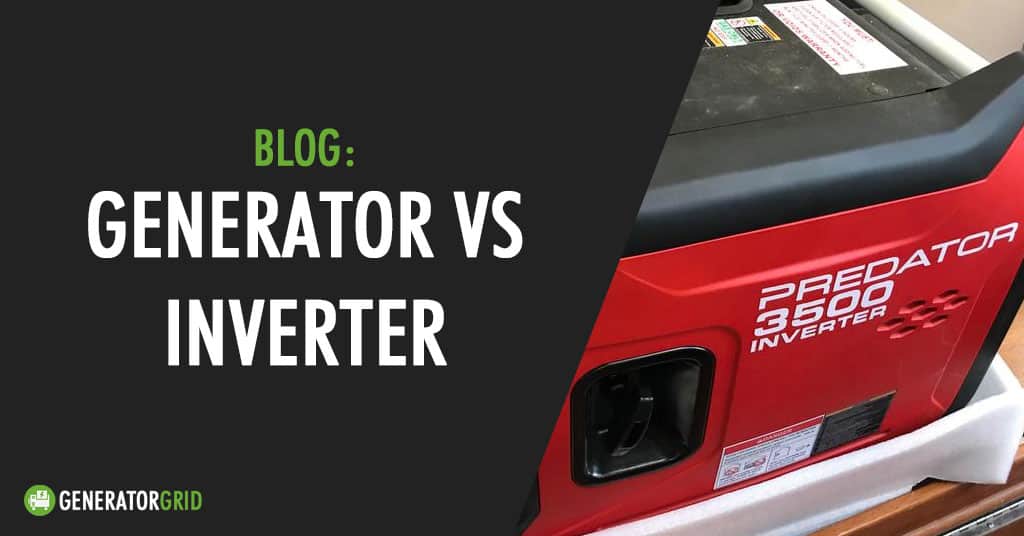
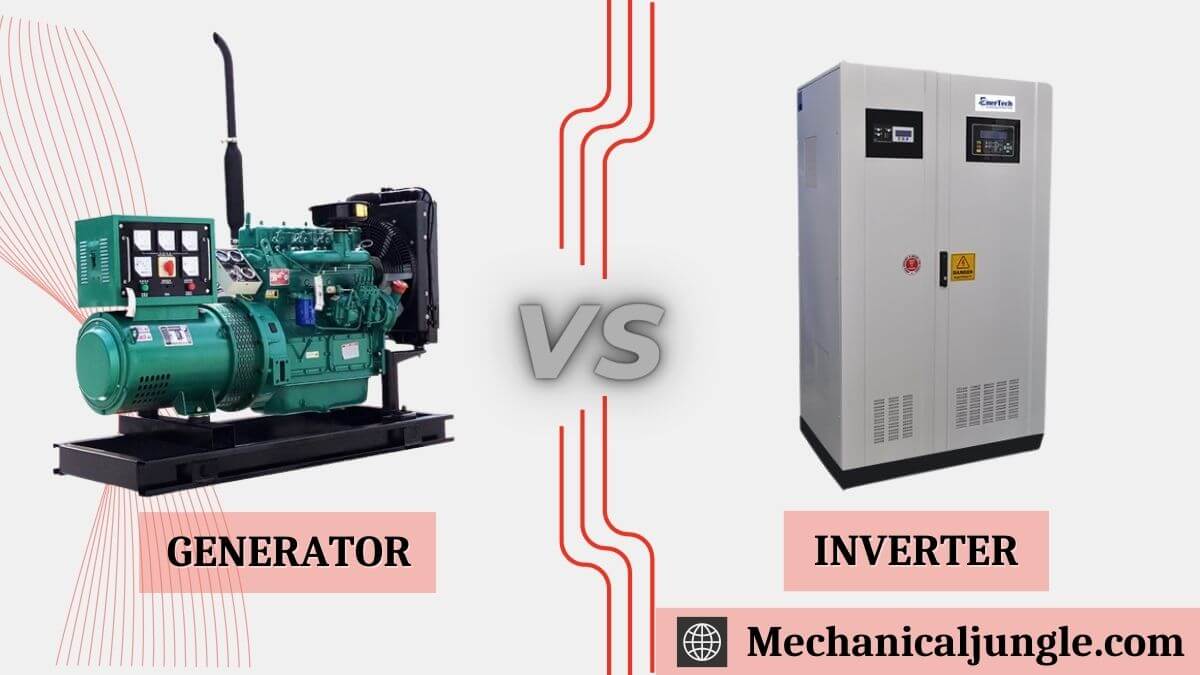
Examples are everywhere. Traditional generators are often large, noisy, and used for heavy-duty tasks like powering construction sites. Inverter generators, a quieter and more efficient type of generator, are gaining popularity for camping and tailgating. You might find a simple inverter powering a laptop charger in your car, or a more sophisticated one managing the solar power system in your home.
Want to experiment at home? Start small! Buy a simple car inverter – they're relatively inexpensive. Plug in a small lamp or a phone charger and see how it works. If you're feeling more ambitious, consider building a small solar power system using a battery, a solar panel, and an inverter. There are countless online resources to guide you through the process. Remember to always prioritize safety when working with electricity. Consult with a qualified electrician if you have any doubts or are tackling larger projects.
Ultimately, understanding the difference between inverters and generators is about empowerment. It's about knowing how to access and utilize power, wherever you are. It’s about extending your creative reach and making your hobbies more accessible. And perhaps most importantly, it's just plain fun to understand how things work! There's a certain satisfaction in knowing you can harness the power of electricity to bring your ideas to life, whether you're painting a masterpiece under the setting sun or just keeping your phone charged on a camping trip.