
What Is Difference Between Ferrous And Nonferrous

Ever wondered what makes a fridge stick to magnets but your snazzy aluminum water bottle doesn't? It all boils down to a simple, yet fascinating, distinction in the world of metals: ferrous versus nonferrous. Sounds a bit technical, right? Don't worry! We're going to break it down in a way that's actually... dare I say... fun!
Think of it like this: metals are like people. Some have a strong personality – let's call that ferrous – and some are a bit more… reserved, our nonferrous friends. Ready to meet them?
Ferrous Metals: The Magnetic Personalities
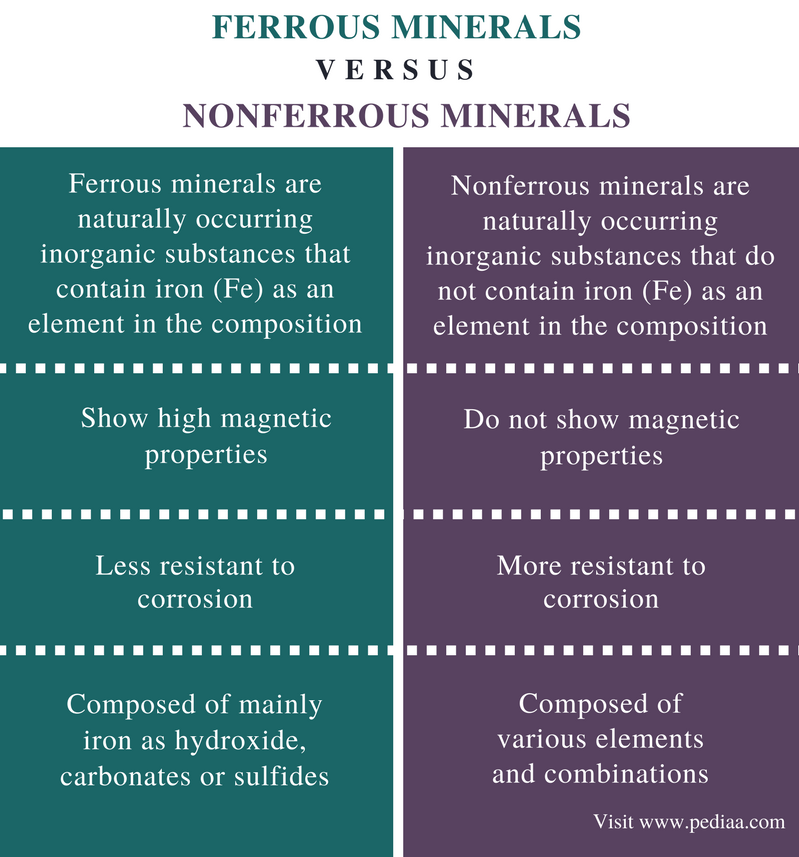
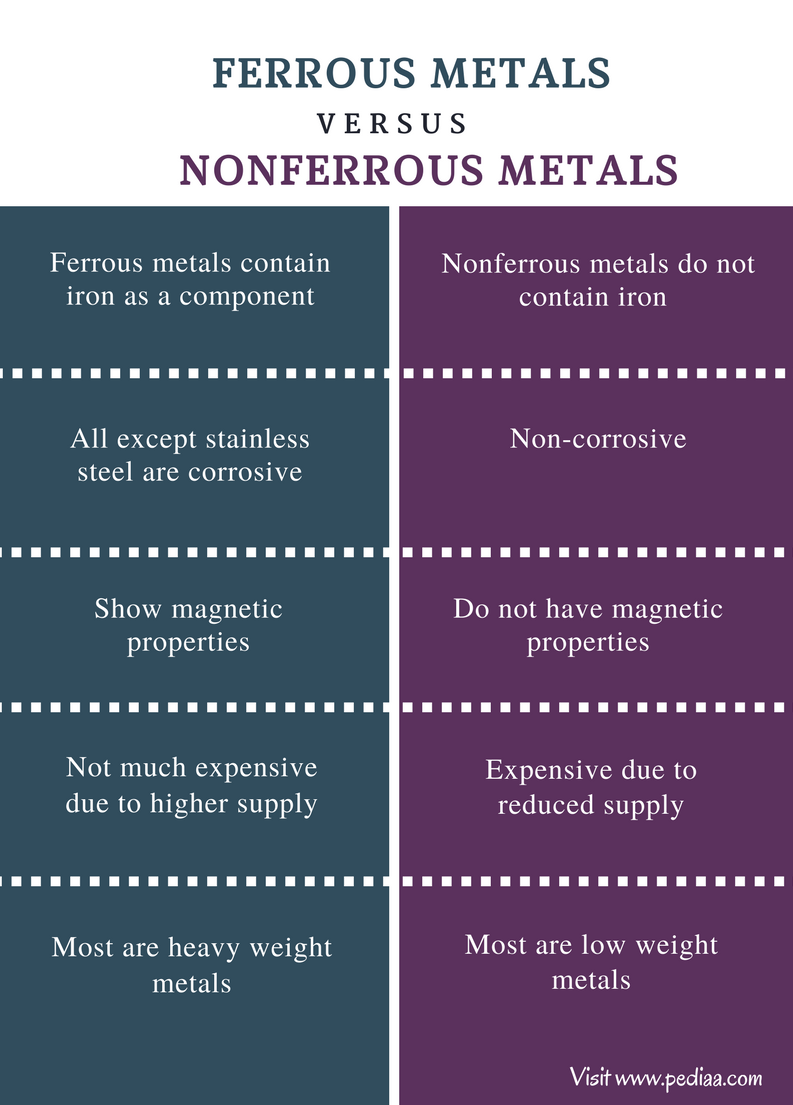
The key characteristic of ferrous metals is the presence of, you guessed it, iron! (The chemical symbol for iron is Fe, hence "ferrous"). Now, iron is a bit of a show-off because it's magnetic. So, any metal that contains a significant amount of iron will also be magnetic. Think of that fridge magnet clinging on for dear life - that's ferrous magic at work!
Must Read
But there’s a catch. While the presence of iron makes them strong and useful, it also makes them vulnerable to rust. Ever seen a rusty old car? That's ferrous metal reacting with oxygen and water – a process called oxidation. Bummer, right?
Examples of ferrous metals include:
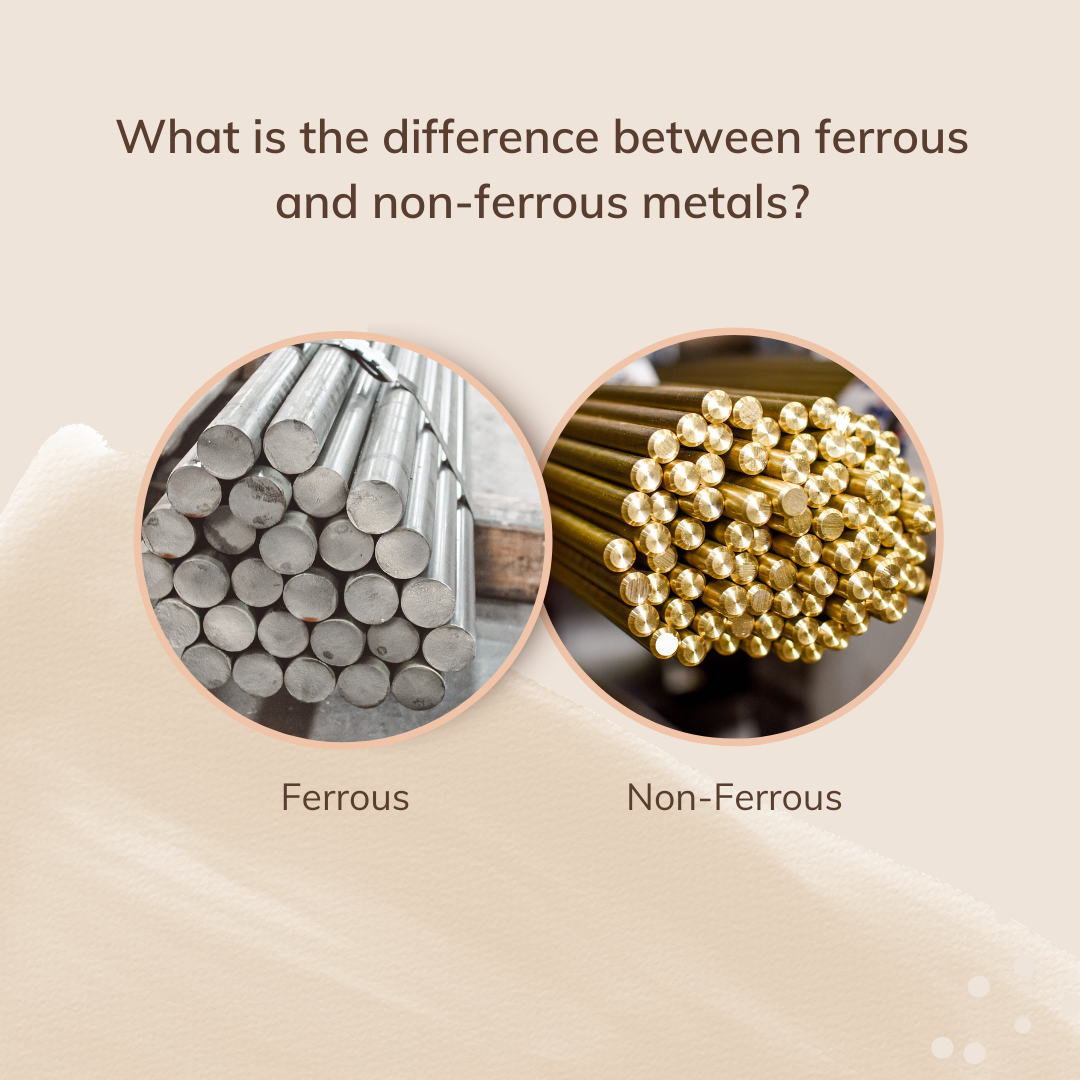
- Steel: That workhorse metal used in everything from bridges to buildings. It’s known for its strength and durability.
- Cast Iron: Sturdy and great for cookware (hello, perfect sear!). Though, maybe not the best for outdoor use unless properly protected.
- Wrought Iron: More malleable than cast iron, often used for decorative ironwork. (Think fancy gates and railings!)
So, remember, ferrous metals are the strong, magnetic types, but they need a little extra TLC to avoid rusting. Got it? Awesome! Now let's move on to their more… individualistic cousins.
Nonferrous Metals: The Diverse Bunch
Now, nonferrous metals are the rebels. They don't contain significant amounts of iron. This means they're not magnetic (sorry, fridge magnets!), and they're generally more resistant to corrosion. That's a win! No more stressing about rust taking over your life.

They also come in a much wider range of colors and properties than ferrous metals. Talk about standing out from the crowd!
Examples of nonferrous metals include:
- Aluminum: Lightweight, strong, and recyclable. Perfect for soda cans, airplanes, and even your favorite bike.
- Copper: An excellent conductor of electricity, making it essential for wiring. (And it looks pretty cool when it tarnishes, too!)
- Brass: A mixture of copper and zinc, known for its golden color and use in musical instruments and decorative objects.
- Gold: Shiny, valuable, and resistant to corrosion. Enough said. (Who doesn't love gold?!)
- Silver: Another precious metal, often used in jewelry and silverware.
See the difference? Nonferrous metals are all about variety and resistance to corrosion. They’re the chameleons of the metal world!
Okay, But Why Should I Care?
That's a fair question! Understanding the difference between ferrous and nonferrous metals can actually make your life a little easier and more informed. Think about it:
- Recycling: Knowing which metals are which can help you sort your recycling properly. You'll be a recycling rockstar!
- Choosing the Right Materials: Planning a DIY project? Knowing the properties of different metals can help you select the best material for the job. (No more rusty surprises!)
- Understanding the World Around You: From the appliances in your kitchen to the buildings in your city, metals are everywhere! Knowing the basics of ferrous and nonferrous metals gives you a deeper appreciation for the materials that shape our world.
Plus, it's just plain interesting! Now you can impress your friends with your newfound metal knowledge. Trust me, they'll be amazed!
So, there you have it! The difference between ferrous and nonferrous metals, demystified. It's not as scary as it sounds, right? In fact, it's pretty cool. The next time you see a metal object, take a moment to consider whether it's ferrous or nonferrous. You might just surprise yourself with how much you know!
The world is full of fascinating things just waiting to be discovered. This is just the beginning. Go forth and explore! Dive deeper into the world of materials science, engineering, and everything in between. You never know what you might learn, and how it might spark your creativity and curiosity.