Okay, let's talk twisters and... uh... cycloney things. Are they the same? Are they distant cousins? Are they just different names for the same grumpy weather dude? Honestly, it's a bit confusing. But fear not, I'm here to (try to) clear things up!
First things first: scale. Think of it like ordering coffee. A tornado is your espresso shot: small, intense, and over before you really know what hit you. A cyclone? That's your venti caramel macchiato with extra whipped cream. Big, sprawling, and you'll be dealing with it for a while.
Size Matters, People!
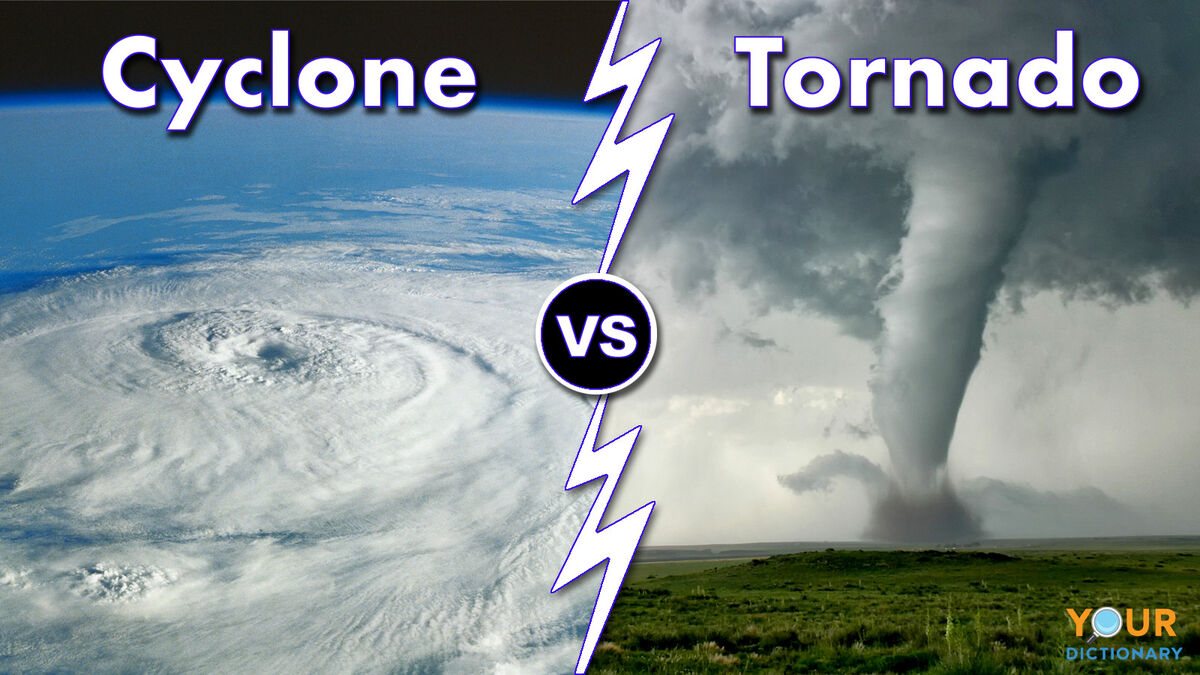
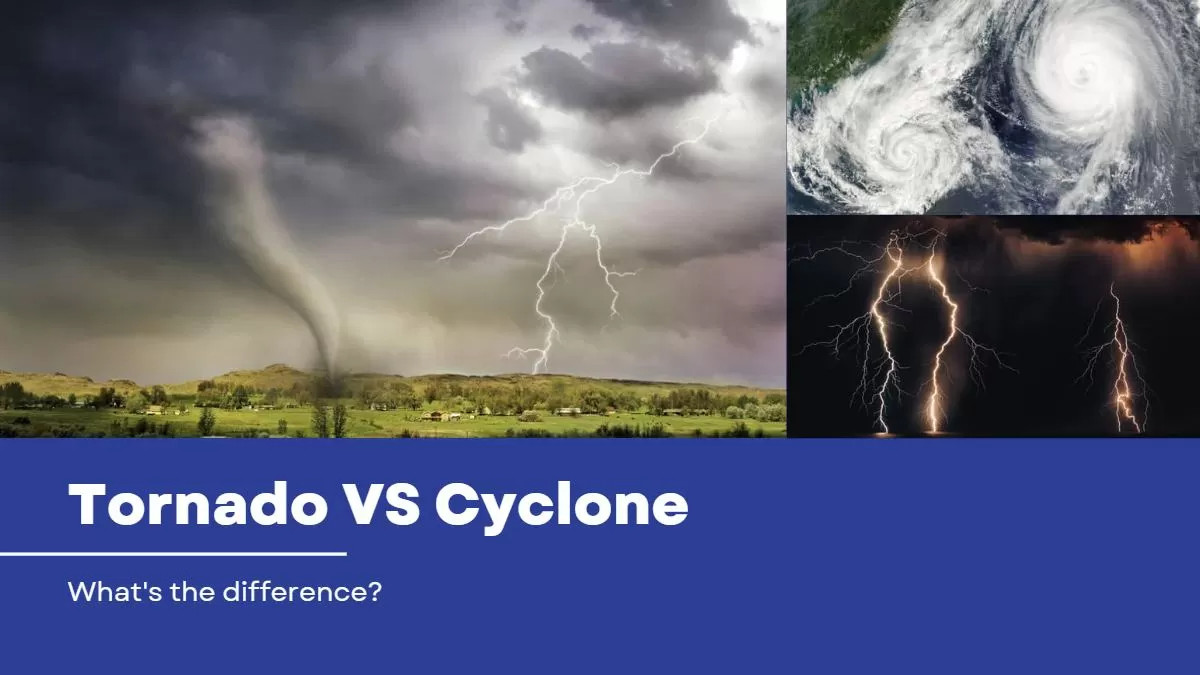
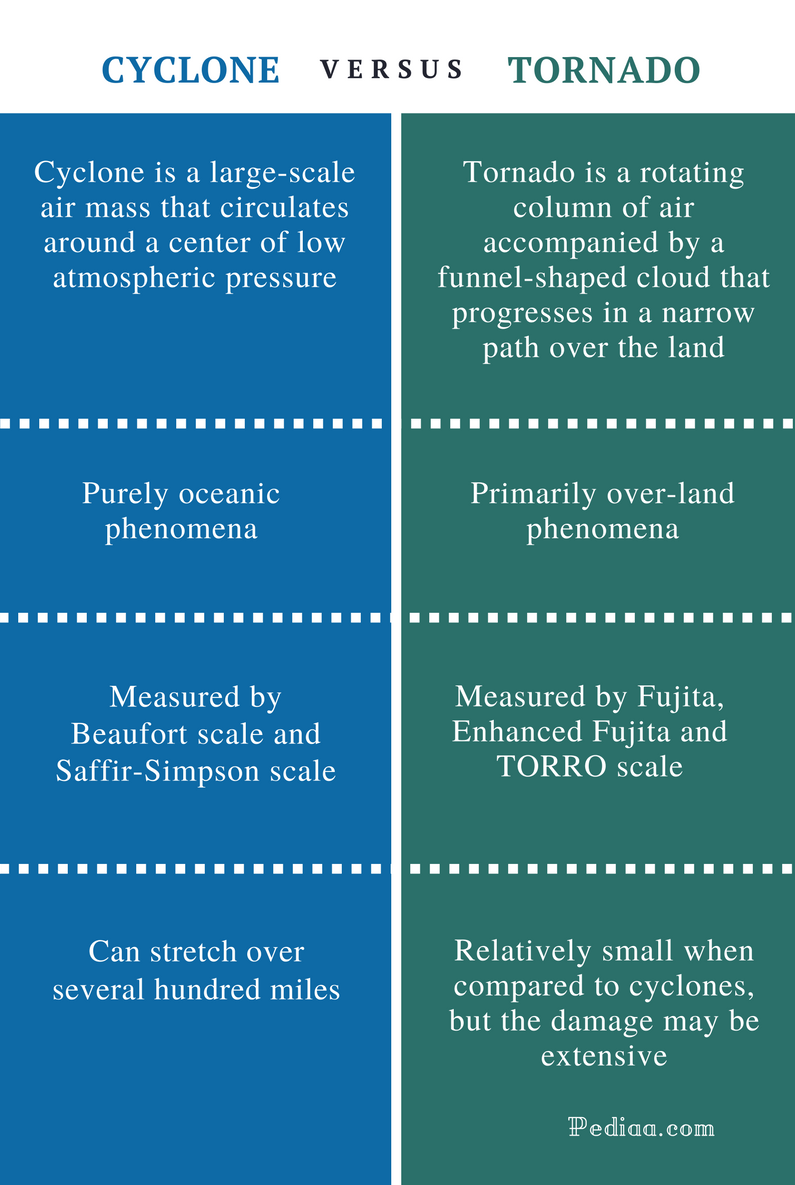
Tornadoes, bless their destructive little hearts, are usually measured in yards, maybe a mile across at most. They're localized terrors. Picture this: your neighbor's trampoline doing its best impression of a UFO. Classic tornado move.
Cyclones, on the other hand, stretch for hundreds of miles. They're the kings and queens of the weather world. They don't just mess with your trampoline; they try to rearrange entire coastlines. Dramatic, I know.
Where Do They Hang Out? Location, Location, Location!
Tornadoes are the darlings of Tornado Alley in the good old US of A. They love flat land and colliding air masses. Think Dorothy and Toto. (Without the flying monkeys, hopefully.)
Know What's The Difference Between A Cyclone and A Tornado!
Cyclones are more jet-setters. They like warm ocean waters near the equator. They go by many names depending on where they're partying: hurricane in the Atlantic and Northeast Pacific, typhoon in the Northwest Pacific, and cyclone pretty much everywhere else in the Southern Hemisphere and Indian Ocean. Fancy!
The Power of Spin! (And Maybe a Little Sarcasm)
Both tornadoes and cyclones involve spinning air. It's what makes them... well, them. But the reasons for the spinning are a bit different.
Tornado And Hurricane Comparison
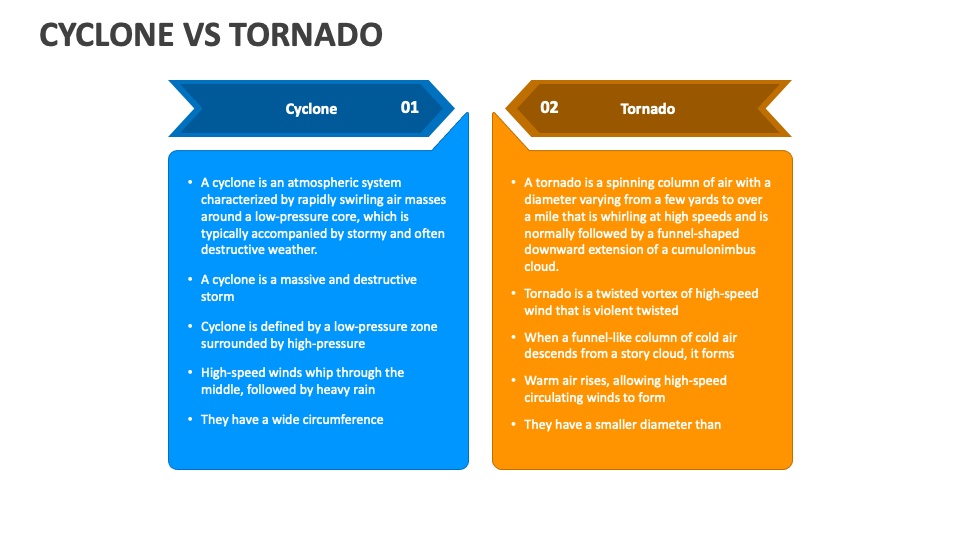
Tornadoes spin because of intense changes in wind speed and direction within a thunderstorm. It's like the atmosphere is having a really bad day and decides to take it out on your house.
Cyclones spin thanks to the Earth's rotation (the Coriolis effect) and the warm ocean water providing fuel. They're fueled by sunshine and sea breezes, which sounds a lot more pleasant, until they're ripping the roof off your house. Just saying.
What is the difference between Tornado and Cyclone?
My Unpopular Opinion: Cyclones are Just Bigger, Bossier Tornadoes
Okay, here's where I might get some angry emails from meteorologists. Deep breaths, folks. Here it comes...
Aren't cyclones essentially just really, REALLY big tornadoes that happen over the ocean? I mean, they both spin, they both cause chaos, and they both make you want to hide in a basement.
Difference Between Cyclone and Tornado | Definition, Location, Scales, Size
I know, I know. It's probably an oversimplification. There are definitely important differences in their formation and structure. But at the end of the day, when you're looking at a satellite image of a swirling vortex of doom, does it really matter if it's technically a "cyclone" or a "tornado"? You're still going to want to find shelter.
And let's be honest, "cyclone" just sounds more impressive. "Oh no, a tornado!" sounds almost... quaint. "OH NO, A CYCLONE!" Now THAT'S scary. It's like the difference between saying "I stubbed my toe" and "I sustained a traumatic foot injury." Both hurt, but one sounds way more dramatic.
So, the next time you're faced with a swirling weather event, remember this: Tornadoes are espresso shots of destruction, cyclones are venti-sized vortexes of doom. Both are best avoided. And if you happen to disagree with my (slightly) facetious comparison, well, that's your prerogative. Just don't blame me when a rogue trampoline comes crashing through your window.